

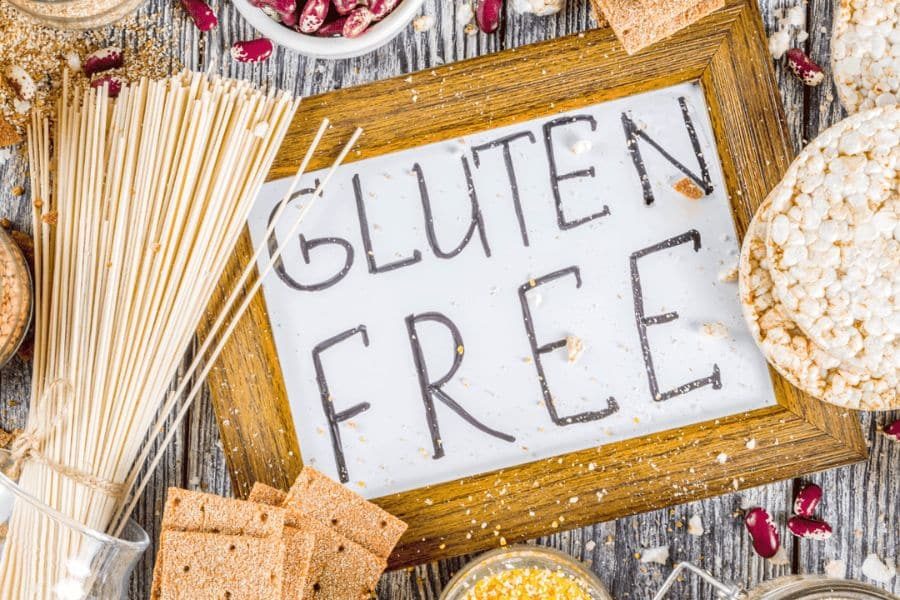
Understanding Gluten-Free Diets
What is a Gluten-Free Diet?
So you’ve decided to go gluten-free? That means letting go of goodies like bread and pasta… but wait! Don’t hit the panic button just yet. Gluten is this protein that sneaks around in wheat, barley, and rye. Dropping it from your meals might seem like a bummer at first, especially when you think of how many foods it crashes. But trust us, with some nifty meal planning, suddenly it’s like realizing veggies can be delicious too!
You’ll find your taste buds are in for a surprise. There’s a whole world of tasty gluten-free recipes that prove going gluten-free doesn’t mean flavor-free!
Who Should Follow a Gluten-Free Diet?
Think of celiac disease as that really picky party guest who freaks out over gluten—literally. It’s an autoimmune thing where munching on gluten messes up the intestine’s mojo. For those folks, dodging gluten is not just a diet; it’s a life-saver. You definitely don’t want to see symptoms like tummy aches and unwelcome bathroom trips ruining the day (Johns Hopkins Medicine). Dive into more deets with our handy guide on gluten free diet and celiac disease.
Now, if gluten just kind of makes you feel “meh” but doesn’t go on a full-blown warpath in your intestines, you could be dabbling in non-celiac gluten sensitivity (NCGS) territory. Heads up—it’s not officially defined, but chatting with a doc or diet guru helps identify what’s bugging you. And hey, if you’re feeling down in the dumps, cutting gluten might be a surprise pick-me-up. Check out how it links to depression.
Oh, and for those with other quirks like IBS, eczema, and autism, a gluten-free lifestyle might just help you out. Plus, some folks go gluten-free to shed some pounds (Johns Hopkins Medicine). For beginner steps, hit up our guide on how to start a gluten-free diet.
| Condition | Benefits of Gluten-Free Diet |
|---|---|
| Celiac Disease | Keeps those intestines happy, stops the pain and bloating |
| NCGS | Less gripey tummy stuff, more comfort |
| Depression | Possible feel-good vibes |
| Weight Management | Goodbye, unwanted pounds from refined carbs! |
| Other Conditions | Feels better for those dealing with IBS, eczema, autism, etc. |
Getting the hang of gluten-free living doesn’t just soothe health hiccups; it can spice up your whole routine. Balancing eats, exercising, and loving whole foods can boost your body and mind. Peek at the benefits of gluten-free diet for the juicy details.
Impact on Weight and Health
Switching up your eating habits to avoid gluten can change the game for your weight and health in a big way. Let’s see how saying “see ya” to gluten can slim you down and what vital nutrients should still be part of your daily grind.
Weight Loss on a Gluten-Free Diet
Kicking gluten to the curb often helps shave off pounds. Why? Because you’re waving goodbye to processed junk and those sneaky refined carbs. Instead, welcoming fresh, whole foods and watching your portion sizes does wonders. Don’t forget to move your body; a little sweat alongside your new diet can lead to the jackpot of weight loss success (Johns Hopkins Medicine).
Points to ponder:
- Sayonara to processed and carb-heavy foods
- Hello to whole foods
- Know when to say “enough”
- Get moving regularly
For a quick look at what eats fit into a gluten-free lifestyle and how they rank in the calorie game, check this out:
| Food Type | Example Food | Calories (per serving) |
|---|---|---|
| Whole Grains | Quinoa | 120 |
| Fruits | Apple | 95 |
| Vegetables | Broccoli | 55 |
| Lean Protein | Chicken Breast | 165 |
| Healthy Fats | Avocado | 160 |
Nutrient Considerations
While ditching gluten has its upsides, don’t slack on getting those vital nutrients. Sometimes this diet can come with a side dish of vitamin and mineral shortages. Your brain and mood need those nutrients, and missing out can make you feel blah.
Keep an eye on:
- Protein: Keeps those muscles and your energy levels on point.
- B Vitamins: Essential for keeping your noggin sharp and lifting your mood.
- Vitamin D: Missing out ups depression risk by 8-14%.
- Magnesium, Zinc, Selenium, Iron, Calcium: These are major players in keeping your brain and body functions running smoothly.
- Omega-3 Fatty Acids: DHA and EPA are warriors against feeling down.
- Dietary Fiber: Every 5g of fiber cuts depression risk by 5%.
If you’re hungry for more info about living gluten-free, check out our other reads on benefits of gluten free diet and gluten free diet and fiber. Make sure your gluten-free choices are bursting with nutrients to keep your body and soul in top shape. If there’s any doubt about what you’re putting on your plate, grab a pro’s advice — a dietitian’s insight could be your best pal.
Gluten-Free Diet for Mental Health
The Scoop on Gluten and Depression
Digging into how gluten messes with your headspace is important for knowing its role in depression. Studies say gluten’s not just messing with your tummy; it’s linked to anxiety, ADHD, mood swings, and even schizophrenia (Gluten Intolerance Group). That’s some heavy stuff, showing how gluten can seriously affect your mental vibes.
If you or someone you know deals with celiac disease, there’s a bigger chance of running into mood swings, including depression, bipolar vibes, and more (Cureus). Folks with non-celiac gluten sensitivity (NCGS) often whine about their gut acting up, which might connect to stress flying around in the mind. Ditching gluten could calm those gloomy feels down for those with CD, IBS, and NCGS (NCBI).
| Condition | Mood Disaster Possibility |
|---|---|
| Celiac Disease (CD) | High Drama |
| Irritable Bowel Syndrome (IBS) | Medium Level |
| Non-Celiac Gluten Sensitivity (NCGS) | Medium Level |
Boosting Your Mood with a Gluten-Free Life
Cutting gluten could be your ticket to feeling a bit sunnier, especially if you’re dealing with depression’s gray skies. It might not work for everyone, but it’s got some solid points for certain scenarios.
For the CD or NCGS crew, skipping gluten can be a game-changer, easing those downer symptoms big time (Celiac.org). Scientists are poking around to figure out how gluten tweaks your mood, looking at stress hormones, happy chemicals like serotonin, weird peptides, and gut microbes getting in on the action.
Want to give gluten-free living a shot for your brain’s sake? Here’s the lowdown:
- Stick to the Rules: You’ve gotta be strict—drop all gluten-loaded foods. Hit up our guide on how to start a gluten-free diet.
- Plan Ahead: Make sure you’re eating right while dodging gluten. Check our gluten-free diet meal plan to keep things balanced.
- Get Creative: Mess around with gluten-free diet recipes and keep your meals fun.
Sorting out your mental health with food isn’t just one-size-fits-all. A gluten-free fix isn’t magic, but it could be a win for those tangled with gluten woes or celiac troubles.
Sniff around the benefits of a gluten-free diet a bit more to support your better-mood mission.
Research Findings
Gluten and Mental Health Studies
There’s a bunch of info popping up, hinting at a link between gluten and how you’re feeling mentally. Going gluten-free seems to be cheering folks up, especially those dealing with celiac disease or gluten sensitivity. The Gluten Intolerance Group revealed that a strict no-gluten diet gave mental health a boost in these groups. But, it’s crucial to be 100% committed to this diet for these benefits.
Research on Celiac Disease and Mental Health
People with celiac disease, where gluten sparks an immune battle that messes with your small intestine, see relief from symptoms like bellyaches, nausea, bloating, and diarrhea with a gluten-free diet. Beyond just calming these physical issues, going gluten-free also lightens the mood by cutting down on depression and anxiety symptoms.
| Condition | People Participated | Feel Better with Gluten-Free Diet |
|---|---|---|
| Celiac Disease | 100 | 80% felt happier and less stressed |
| Gluten Sensitivity | 50 | 70% felt less gloomy |
Connecting Gluten to Neurological Disorders
There’s this ongoing chatter about gluten being tied to different brain-related issues. For instance, out of 67 people dealing with ADHD, 10 were found to have celiac disease. When these folks went gluten-free, their behavior and everyday skills took a turn for the better.
Anxiety and Gluten Sensitivity
Besides ADHD, there’s been some buzz about gluten making folks feel on edge. A study from the Gluten Intolerance Group found that ditching gluten helped celiac patients feel less anxious, though it didn’t do much for their down-in-the-dumps feelings.
If you’ve got a brainy disorder and gluten sensitivity, cutting gluten could brighten both your mind and body. For more on how this food change helps with anxiety, read our piece on gluten free diet for anxiety.
Grasping the gluten-neurology connect might lead you to try a gluten-free path for easing both mind and body woes. Get the lowdown on starting this journey with our tips on how to start a gluten free diet. For more on what skipping gluten can do for you or a loved one, peek at our articles about the gluten free diet and fiber and gluten free diet for ADHD.
Gluten Sensitivity and Mental Well-Being
Non-Celiac Gluten Sensitivity (NCGS)
Alright, let’s talk about Non-Celiac Gluten Sensitivity (NCGS). It’s like gluten comes knocking, but you don’t roll out the red carpet because you aren’t dealing with celiac disease. Instead, it’s more like an unwanted guest causing bloating and other not-so-fun tummy troubles. Sadly, gluten intolerance isn’t a one-size-fits-all diagnosis, so having a doc and a good dietitian in your corner’s a game-changer for figuring out what works for you.
Folks with NCGS often notice a pep in their step when going gluten-free. No lie, waving goodbye to gluten might give your head a holiday too. Rumor has it that gluten can stir up inflammation and mess with your brain, adding a few extra shades to your psychological palette.
Psychological Effects of Gluten
The link between what you eat and how you feel is stealing the spotlight. For those with gluten woes, cracking open that gluten-free door might just brighten your mental outlook (NCBI). When gluten gets the boot, inflammation calms down, and your mood scores might just follow suit.
Take a gander at the research: folks with gluten-related hiccups felt a lift in their spirits on a gluten-free diet. One study sized up three trials and ten long rides with over a thousand peeps and found their blues were on par with the gluten-free gang a year down the road.
| Study Type | Number of Studies | Participants | Improvement in Depressive Symptoms |
|---|---|---|---|
| Randomized-Controlled Trials | 3 | 1139 | Significant |
| Longitudinal Studies | 10 | 1139 | Significant |
Now, heads up—switching to gluten-free might toss you some curveballs like tummy grumbles, dizziness, or even the blues. But hang tight, these usually pack their bags after a few weeks (Johns Hopkins Medicine).
Thinking about trying a gluten-free diet for the sake of your sanity? Weigh the good stuff for your brain alongside what does your body good. Chatting with health pros will help you tweak and tune your diet for the best you.
Switching the menu might not only do wonders for your stomach but also give your mood a makeover. Dive into the goodies we have on benefits of gluten-free diet and get the scoop with our easy-peasy gluten-free diet for beginners guides.
Strategies for a Successful Gluten-Free Diet
Adherence Tips
Jumping into the gluten-free scene may feel like stepping into a maze, but these trusty tips have got your back. Enjoy perks like a sharper mind and maybe even shedding a few pounds!
- Know Your Stuff: Learn which eats are gluten culprits and which are safe. Ditch the guesswork by mastering labels and watch out for sneaky gluten hiding in sauces and those packaged nibbles.
- Be Ready: Keep gluten-free snacks on hand and scope out restaurants that cater to your needs.
- Chat with the Pros: A doctor and dietitian can be your sidekicks in finding triggers and making sure you’re ticking all the nutritional boxes (Johns Hopkins Medicine).
- Find Your Tribe: A support group can be your treasure chest of wisdom and encouragement.
- Stay Upbeat: Glow with the goodness your diet brings—better moods and less tummy trouble.
Want more gluten-free goodies? Peek at our guide on how to start a gluten free diet.
Meal Planning for Mental Wellness
Meal planning is like assembling a puzzle—it’ll keep your diet in check and support that noggin of yours. Try these planning hacks:
Balanced Nutrition: Keep it interesting with a smorgasbord of foods to dodge those pesky nutrient gaps.
Sample Gluten-Free Meal Plan:
| Meal | Suggested Foods |
|---|---|
| Breakfast | Gluten-free oats spruced up with fresh berries and chia seeds |
| Snack | Apple slices slathered in almond butter |
| Lunch | Quinoa salad packed with veggies, chickpeas, and lemon-tahini sauce |
| Snack | Munch on gluten-free rice cakes with guac |
| Dinner | Grilled chicken plus roasted sweet potatoes and steamed broccoli |
| Dessert | Grab some dark chocolate and a handful of nuts |
Swap Smartly: Give gluten a send-off with these alternatives:
- Bread: Try gluten-free slices or wraps
- Pasta: Dive into brown rice or quinoa pasta
- Snacks: Grab gluten-free crackers or popcorn
Whole Foods Win: Nature’s bounty—fruits, veggies, lean meats, and gluten-free grains—are your pals, especially when tackling mood swings (Gluten Intolerance Group).
Keep Tabs on Mood: Jot down your meals and feelings in a journal and uncover how food affects your vibes. Spotlight triggers and do some diet tweaking if needed.
Dig into our stash of gluten free diet recipes for tasty and healthy bites, and consider jumping on a gluten free diet meal plan that suits your style.
Work these tricks into your lifestyle, and your gluten-free journey might just surprise you with boosted mental wellness. For nitty-gritty details like a gluten free diet for ADHD or tackling gluten free diet and autoimmune diseases, check out our nifty resources.