

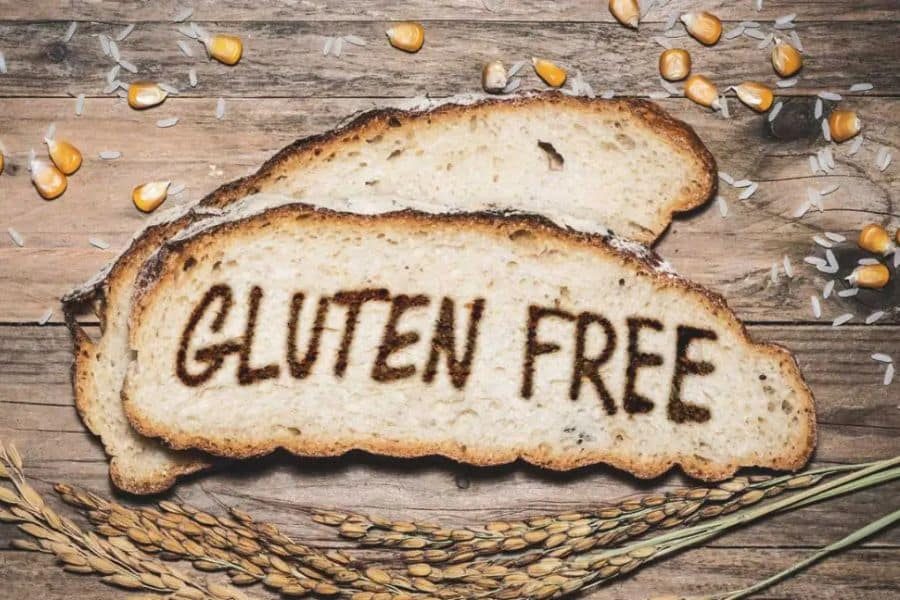
Understanding Gluten-Free Diet
What is Celiac Disease?
Celiac disease ain’t just a fad diet choice—it’s an autoimmune problem that decides to throw a party in your gut every time gluten shows up. Imagine inviting gluten, and your body’s immune system showing up instead, trashing the place. About 1 in 100 folks have it, though most of ‘em don’t even know it. And when gluten’s around—ya know, stuff hiding in wheat, rye, and barley—it mistakenly goes all Godzilla on their small intestine lining. Not fun.
Symptoms? Oh, there are plenty. From digestive drama, super low energy, head-splitting, doom and gloom moods, to missing essential vitamins and minerals. And kids? They get special treatment with diarrhea and growth hiccups. Some unlucky folks might encounter dermatitis herpetiformis, a mean skin rash.
Avoiding gluten for life is the big deal here. That means reading every label like it’s a mystery novel and becoming a gluten detective.
| Age Group | What Might Bug You |
|---|---|
| Kids | Toilet troubles, short in the jeans department, tummy rumblings |
| Grown-ups | Belly woes, bone-tired, headaches, the blues, vitamin deficiency |
More curious about kids and their gluten-free gig? Knowing how to spot the signs is key, so you can get the right help.
Importance of Gluten-Free Diet
Skipping gluten is non-negotiable for those with celiac disease. And it’s more than just cutting down—the immune circus calms down, the intestine gets a chance to patch itself up, and good nutrition kicks back in. You dodge threats like hunger for nutrients and hopefully sidestep some other nasty health scares like more autoimmune troubles, gut cancers, and crunchy bones that break too easy.
Even if you’re not dealing with the celiac situation, but your tummy throws shade at gluten, you’ll feel better keeping away from it. That’s called non-celiac gluten sensitivity.
Label homework, being alert while eating out, and picking gluten-free options are part of adulting on this diet.
Interested in how ditching gluten could change your scale’s story? Check out this info: gluten free diet and weight loss. Or if you’re clueless about starting this whole gluten-free thing, here’s a kickstart guide.
Want more straight talk on how a gluten-free life can tune up your health? Explore the side hustles of gluten-free eating and learn how it can lift your life.
Understanding why strict avoidance of gluten is essential helps anyone living with celiac or gluten sensitivity lead a healthier life and enjoy it too.
Impact on Health
Figuring out how eating gluten-free might shift your health is a pretty big deal. Here, we’ll dive into what happens with celiac disease, how some folks feel off with gluten even if they don’t have celiac, and other stuff like gluten ataxia and wheat allergies.
Celiac Disease Complications
Celiac disease isn’t just your typical gluten freak-out. If you ignore it, you’re in for some serious health messes. Here’s a quick look at what could happen:
- Autoimmune Disorders: If you skip treating celiac disease, you’re playing with fire. You might find other issues like type 1 diabetes and MS knocking at your door (Celiac Disease Foundation).
- Nutrient Pitfalls: Your gut can get all sorts of messed up, making it hard to soak up what you need to stay healthy. This can mean missing out on important nutrients, leading to issues like anemia or even infertility.
- Higher Cancer Odds: Sure, ignoring celiac might be more convenient, but it’s no joke. Your chance of getting small bowel cancers shoots up four times and doubles your shot at coronary artery disease.
| Health Worry | Risk Multiplier |
|---|---|
| Coronary Artery Disease | 2x |
| Small Bowel Cancers | 4x |
Got a sibling or parent with celiac? Your odds are one in ten that you’ll end up with it too (Celiac Disease Foundation). Check out our advice on Managing Celiac Disease for more details on symptoms and what to do.
Non-Celiac Gluten Sensitivity
Folks with non-celiac gluten sensitivity (NCGS) feel lousy like those with celiac disease—think bloating and fatigue—but luckily, it doesn’t mess up their insides. Even though you won’t see damage in your gut like with celiac, it can still be a real pain in the book.
Heard of FODMAPs? They’re a type of carb in gluten-containing foods that might give folks with NCGS a hard time. Cutting out gluten can help quiet things down. Check out our ideas in the gluten-free diet meal plan.
Gluten Ataxia and Wheat Allergy
- Gluten Ataxia: A brain-bothering thing, gluten ataxia messes with muscle movement and balance, thanks to your immune system acting out against the cerebellum.
- Wheat Allergy: Not quite celiac. Instead, it’s your body’s blow-up to wheat proteins. Expect anything from itchiness and stuffy nose to more serious reactions. Still, you need to stick to gluten-free even though your gut stays unscathed.
These problems shout the need for ditching gluten and knowing what’s happening in your body. For steps on stepping away from gluten, pop over to our guide on how to start a gluten-free diet.
Implementing a Gluten-Free Diet
Gluten-Free Food Choices
Jumping into a gluten-free diet can feel like a new chapter, especially if celiac disease is in the picture. Knowing which foods and ingredients won’t trigger problems makes gluten-free living much smoother.
Naturally Gluten-Free Foods:
- Fruits and Vegetables: Fresh or frozen, most fruits and veggies are naturally safe, but keep an eye on those processed ones for sneaky gluten (Celiac Disease Foundation).
- Protein Sources: Munch on fish, chicken, eggs, and meats that haven’t been messed with.
- Dairy: Milk, cheese, yogurt—all good to go unless they’ve got gluten sneaking in with additives.
- Nuts and Seeds: Generally alright, but to avoid surprises, check labels for any cross-mingling.
- Legumes and Beans: Beans, lentils, chickpeas—they’re all part of the gluten-free gang.
- Gluten-Free Grains: Go for quinoa, rice, millet, amaranth, and gluten-free oats (make sure they say gluten-free to dodge any mixing worries) (Celiac Disease Foundation).
Packaged Gluten-Free Foods:
- Gluten-Free Breads and Pastas: Easy finds in grocery aisles; just ensure they’re stamped gluten-free.
- Gluten-Free Crackers and Cereals: Certification labels are your best pals here.
Foods to Avoid:
- Wheat, Barley, Rye: The infamous trio—keep clear.
- Processed Foods: Watch out! Soups, sauces, lots of them sneak in gluten. So, read labels like you’re on a mission (Celiac Disease Foundation).
| Food Type | Gluten-Free Options |
|---|---|
| Fruits & Vegetables | Fresh, frozen, non-processed |
| Protein | Fish, poultry, eggs, unprocessed meats |
| Dairy | Milk, cheese, yogurt |
| Nuts & Seeds | Check for cross-contamination |
| Legumes | Beans, lentils, chickpeas |
| Gluten-Free Grains | Quinoa, rice, amaranth, gluten-free oats |
Reading Labels
Packaged foods can be a maze, but cracking them open is key to staying gluten-free and safe.
- Check for Certification: Hunt for labels that shout they’re gluten-free or carry certification from gluten-free groups.
- Ingredients to Watch: Steer clear of anything listing wheat, barley, rye, triticale, spelt, farro, and Kamut.
- Hidden Sources: Ingredients like malt flavoring, hydrolyzed vegetable protein, and modified food starch can turn tricky. They like to pop up in soups, sauces, and processed eats.
Key Considerations for Dining Out
Eating out brings its own set of puzzles, but a few tips can make sure your dining experience is worry-free.
- Research Restaurants: Scope out places with gluten-free menus or ones known for being diet-friendly.
- Ask Questions: Don’t be shy. Grill your server about how your dish gets made. Asking about cross-contamination is fair game.
- Simple Dishes: Go with the classics—grilled fish, plain steamed veggies, salads with a transparent, gluten-free dressing.
- Bring a Card: Have a dining card handy to explain your needs without fuss.
Grab more handy tips and pro advice for rocking a gluten-free lifestyle with reads like gluten-free diet for beginners and gluten-free diet meal plan. Keeping updated and ready while dining out is always a sure win.
Managing Celiac Disease
Lifelong Gluten-Free Diet
Living with celiac disease means waving goodbye to gluten forever—it’s no small change, but it’s crucial. This means steering clear of anything with wheat, rye, and barley. Even a tiny crumb can throw a wrench in the works for your health. Jumping into a gluten-free groove is about knowing your grub and becoming a food label detective. If you need a hand getting started, our gluten-free food choices guide and tips on reading food labels can help.
Keeping gluten out of your diet can fend off a host of unwanted guests—think osteoporosis, anemia, and some nasty intestinal surprises. If you’re scratching your head over meal ideas, we’ve got your back with a gluten-free diet meal plan and some lip-smacking gluten-free diet recipes that’ll make your taste buds sing.
Symptoms and Diagnosis
Spotting celiac symptoms early on is like finding the key to a locked door. Common signals include stomach grumbles, tiredness like you’re hauling bricks, and dropping pounds without trying. Sometimes, your body’s SOS calls are not so clear—a sore knee or a rash might sneak into the mix. If left unchecked, celiac can lead you to a bumpy road with heart troubles and certain bowel cancers as unwelcome pit stops.
To unmask celiac disease, doctors kick off with a blood test looking for pesky antibodies. Next up, they check out a bit of your small intestines with a biopsy to seal the deal. Important heads-up: keep munching on gluten until all the tests give you the green light. Cutting it out early can ruin your test results. More details on this are available through the Mayo Clinic.
Family History and Risk Factors
Celiac tends to hang around in families like a song stuck on repeat. If you’ve got kin with celiac, your odds of joining the club jump to about 1 in 10. Throwing in another autoimmune condition like type 1 diabetes or multiple sclerosis further nudges up the risk.
Your family’s health history is like a treasure map for necessary medical checkups, especially for those folks in the family who might not have symptoms yet but live under the same celiac cloud. Catching it ASAP can smooth out the management path and ward off nasty health surprises down the line. If you’re curious about genetic links to the condition, check out our resources on gluten-free diet and autoimmune diseases and gluten-free diet and diabetes.
| Risk Factor | Your Odds |
|---|---|
| Close blood relative with celiac | 1 in 10 |
| Type 1 diabetes | Higher odds |
| Other autoimmune issues | Yes, it’s up |
Knowing your family tree and spotting those pesky symptoms play a huge role in managing celiac. For tips on how to live without gluten, read up on cross-contamination awareness and weighing up nutrient and cost considerations.
Gluten-Free Diet: Why Jump on the Bandwagon?
Going gluten-free can really perk up your health. It’s particularly crucial if you’re dealing with celiac disease or have that pesky gluten sensitivity.
Taming the Tummy Trouble
Attention: bellyaches and bloating—gluten-free’s got your back! If celiac disease is cramping your style, saying bye-bye to gluten can settle those upset tummies and help your gut start healing (Mayo Clinic).
Beyond Just the Belly
Ditching gluten doesn’t just make your stomach happier; it can ease other woes too. Folks with fibromyalgia, endometriosis, or lingering pelvic pain have noticed a lift in their spirits and symptoms once they cut out gluten (PMCID).
Going gluten-free also helps with:
The Price of Ignoring Celiac
Leave celiac untreated, and you could be playing with fire. The chances of getting hit with coronary artery disease or small bowel cancers are through the roof. It can also mess with your bones, blood, and baby plans.
| Condition | Trouble Level |
|---|---|
| Coronary artery disease | Doubled risk |
| Small bowel cancers | 4 times the risk |
| Autoimmune issues | Higher chances |
| Heart concerns | Higher chances too |
By sticking with gluten-free living, these looming threats can be dodged, leading to a healthier, happier you. For more deets, hop over to benefits of gluten free diet.
Get a jump on spotting and managing symptoms. Knowing your family’s health quirks and own risk factors starts you off right, potentially nipping serious celiac complications in the bud. Just got the diagnosis? Our how to start a gluten free diet guide will get you rolling smoothly.
So, remember, going gluten-free isn’t merely a diet fad. For those wrestling with celiac, it’s a lifeline and a health must-have.
Practical Tips and Considerations
When you’re diving into a gluten-free lifestyle, a few handy tips can keep you moving smoothly. Let’s check what’s important.
Watch Out for Cross-Contamination
Cross-contamination is a sneaky rascal that can ruin a perfectly good gluten-free meal. Even the tiniest bit of gluten can mess things up for those with celiac issues. So, it’s good to be cautious. Sometimes, gluten-free grains pick up hitchhiking gluten from shared harvesting and processing. Make sure to grab brands that test and vouch for less than 20 parts per million of gluten.
| Source | Potential Trouble Spot |
|---|---|
| Oats | Sneaky wheat contamination |
| Soups and Sauces | Wheat thickens ‘em up |
| Shared Equipment | Grains might be gluten buddies |
Reading labels like a hawk pays off. Pick items that shout “gluten-free” loud and clear.
Want more sneaky gluten info? Peek at our gluten free diet and fiber guide.
Keeping Tabs on Nutrients and Budget
A gluten-free diet, if you’re not careful, can sometimes leave you missing out on certain nutrients. And let’s not sugarcoat it—gluten-free goodies can be pricier. Balance is key, and here’s what you need to keep an eye on:
| Nutrient | Gluten-Free Goodies |
|---|---|
| Fiber | Fruits, veggies, beans |
| Vitamin B | Dairy, meat, GF grains |
| Iron | Red meat, fish, beans |
Those gluten-free items often cost a pretty penny, especially if they weren’t gluten-free to start with. Home cooking can help keep those costs down. Check out our gluten free diet meal plan for meal ideas that’ll keep your wallet and waistline in check.
The Gluten-Free Boom
The whole gluten-free craze isn’t just for folks with celiac; everyone’s jumping on board. Back in 2016, gluten-free foods were big business in the U.S., selling over $15.5 billion worth, thanks to some buzzwords and perceived perks.
| Year | Retail Sales (Billions) |
|---|---|
| 1990 | $2.0 |
| 2000 | $4.0 |
| 2016 | $15.5 |
This boom means more options (yay!) and better gluten-free stuff. But, it’s wise to separate fact from fad and make sure these choices are good for your health. For more on gluten-free wins, have a look at our benefits of gluten free diet.
Knowing about cross-contamination, staying on top of your nutrients, and keeping an eye on trends will help you cruise through gluten-free living. Curious for more? Dive into our guide on gluten free diet for beginners.