

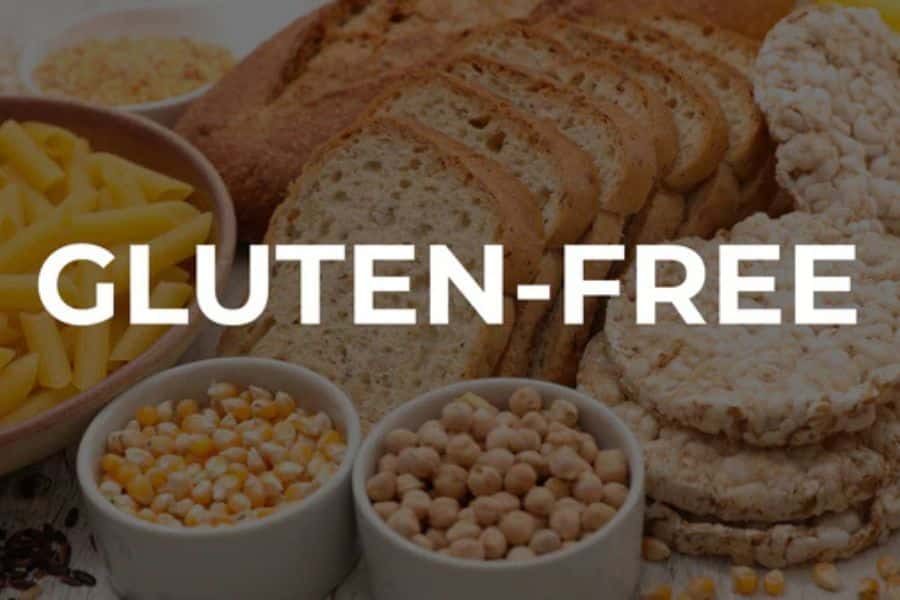
Understanding Gluten-Free Diets
Stepping into a healthier you? Understanding what a gluten-free diet means is a great start. Let’s break down why you might need it, and if it’s the right choice for you.
Why Gluten-Free Matters
Going gluten-free means cutting out foods that have gluten, like wheat, barley, and rye. If you’ve got celiac disease, you’re not just keeping up with a fad—this diet’s your lifeline. Celiac disease knocks your body for six, damaging the guts when gluten is gobbled down, causing everything from stomach aches to serious gut trouble. For you, skipping gluten isn’t a trendy decision—it’s a must (Johns Hopkins Medicine).
Even if celiac isn’t your problem, maybe non-celiac gluten sensitivity (NCGS) is. NCGS gives you celiac-like symptoms without the full-blown damage. By waving goodbye to gluten, those symptoms might just wave goodbye, too, making you feel more like yourself.
Now, there are folks jumping on the gluten-free train because they think it’ll help with stuff like losing weight or boosting energy levels. Sure, dodging gluten might chill out your tummy troubles, but doing it right takes some know-how.
Who Needs It
Alright, who exactly gives the boot to gluten?
Folks with celiac disease have got to do this for keeps. Even a nibble of gluten can wreak havoc.
If you’ve got non-celiac gluten sensitivity, gluten’s not your friend either. It’s not an allergy, but it can sure make you feel lousy with symptoms like feeling wiped out or cranky joints.
Then there’s wheat allergy—need to avoid anything wheat-y, gluten included, or you’ll spark a whole lot of allergy drama.
For the rest just looking for an edge, tread carefully. Missing out on gluten can sometimes mean missing out on nutrition or grabbing less healthy ‘gluten-free’ snack swaps.
Chat with a nutrition pro if you’re thinking to take the plunge into gluten-free land. They can help you do it right without losing out on key nutrients.
| Gluten-Related Problem | What Happens? | What You Should Eat |
|---|---|---|
| Celiac Disease | Tummy trouble, nausea, bloat, diarrhea | Absolutely no gluten, ever |
| Non-Celiac Gluten Sensitivity | Feeling tired, headache, joint achiness | Go gluten-free, feel better |
| Wheat Allergy | Varies from sneezes to serious stuff | Skip anything with wheat |
Switching up to gluten-free isn’t just cutting stuff out. You gotta plan your eats to stay healthy. For more tips on kicking off a gluten-free diet, check our detailed guide. Ready to dig into this healthy change? Peek at our gluten-free meal plans and try out some mouth-watering recipes to get you rolling.
Benefits of a Gluten-Free Diet
Weight Loss Effects
Jumping on the gluten-free bandwagon can often lead to shedding a few pounds. When you kick gluten to the curb, you’re also saying goodbye to many processed snacks and sugary carbs that are packed with calories but skimp on nutrition (Johns Hopkins Medicine). This shift doesn’t just cut down calories; it nudges you towards healthier munchies.
To really keep your weight in check, remember to watch your serving sizes, keep moving, and focus on unprocessed foods like fruits, veggies, and lean meats. Here’s the lowdown on a typical diet versus its gluten-free counterpart:
| Aspect | Typical Diet | Gluten-Free Diet |
|---|---|---|
| Processed Foods | A daily staple | Less on your plate |
| Refined Carbohydrates | On the regular | Eased out slowly |
| Whole Foods | A mixed bag | A solid staple |
If you’re curious about how going gluten-free can help with weight loss, don’t miss our section on gluten free diet and weight loss.
Health Improvements
Giving gluten the boot can work wonders for your health, especially if you’re sensitive to it or dealing with celiac disease. One major perk? A happier tummy. Skipping gluten might help you sidestep the not-so-fun bloating, tummy troubles, and other digestive woes often found in folks who can’t handle gluten (Johns Hopkins Medicine).
Also, it might just be the secret weapon against inflammation, which is great news for anyone battling autoimmune issues like rheumatoid arthritis or celiac disease. For more about fighting inflammation with food, check out our piece on gluten free diet and inflammation.
Better yet, going gluten-free can boost how well your body absorbs nutrients. If you’re one of those who’ve got a sensitive gut, gluten could be messing with your nutrient uptake. Wave goodbye to gluten, let your gut heal, and suddenly your body is soaking up important vitamins and minerals like iron and calcium with renewed vigor.
Check out these guides to see how a gluten-free lifestyle can ease specific issues:
- Gluten free diet and celiac disease
- Gluten free diet and IBS
- Gluten free diet for anxiety
- Gluten free diet and joint pain
Keep your diet balanced by packing it with gluten-free grains, fibers, and necessary nutrients so you’re not skimping on what your body needs. For tips on starting or adjusting, take a peek at how to start a gluten free diet and the gluten free diet for beginners.
Risks and Considerations
Nutritional Deficiencies
Jumping on the gluten-free bandwagon? Make sure you’re not leaving nutrients behind! Those processed gluten-free goodies might not be packing as much fiber, iron, zinc, and potassium as the regular stuff. Here’s how they match up:
| Nutrient | Gluten-Free Product | Regular Product |
|---|---|---|
| Fiber | Lower | Higher |
| Iron | Lower | Higher |
| Zinc | Lower | Higher |
| Potassium | Lower | Higher |
No worries, though. Pile your plate with naturally gluten-free munchies: fruits, veggies, lean meats, and grains like quinoa and millet. It’s a good idea to keep an eye on your nutrient levels–chat with a health pro if you’re unsure. For more tips, hit up our gluten-free diet and fiber section.
Cost of Gluten-Free Products
Ouch, your wallet might feel lighter on a gluten-free diet. Prices for gluten-free goodies are often way higher than their gluten-y cousins. Think 267% more for gluten-free bread and 205% more for cereal (NCBI). Check it out:
| Product | GF Cost | Regular Cost | Price Jump |
|---|---|---|---|
| Bread | $8.55 | $3.20 | +267% |
| Cereal | $7.15 | $2.80 | +205% |
Don’t let costs scare you. Explore naturally gluten-free options like rice, potatoes, and beans. Save some cash with smart shopping and a sharp eye on weekly sales.
Remember, the priciest options aren’t always the best for you. Read those labels—some gluten-free packages hide loads of sodium, sugar, and fat, which can sneakily add inches to your waistline (Hopkins Medicine).
Need some savvy shopping advice? We’ve got a bunch of tips on snagging affordable, healthy gluten-free stuff. Wander over to our guides on starting a gluten-free diet and find some drool-worthy gluten-free recipes for fresh ideas.
Steering clear of these bumps is key to going gluten-free without skimping on your health. For personalized help, why not chat with a diet pro? They’re great for getting everything just right!
Misconceptions and Realities
Healthiness of Gluten-Free Products
Think all gluten-free goodies mean a healthier you? Nope, not always true. Sure, folks with celiac disease need to dodge gluten, and some may feel better skipping it. But for the rest of us, these products aren’t a one-way ticket to Health-Ville. Fun fact—many gluten-free foods are lacking in fiber, iron, zinc, and potassium compared to the ones with gluten kickin’ it in them.
Imagine gnawing on your favorite gluten-free snack, feeling all virtuous, but unknowingly waving bye-bye to some essential nutrients. Lack of these can trip you up health-wise down the road (NCBI).
| Nutrient | Gluten-Free Foods | Gluten-Containing Foods |
|---|---|---|
| Fiber | Not much | Plenty |
| Iron | Skimpy | Heaps |
| Zinc | Scant | Abundant |
| Potassium | Pretty low | Lots of it |
Impact on Weight Gain
Dropping gluten to drop pounds? Hold your horses. A gluten-free diet may help those with gluten issues feel better and shed weight, but it’s not a magic slimming wand for everybody. Many gluten-free treats are packed with sodium, sugar, and fat—all the good stuff that can make your scale frown back at you. Think sugar spikes and blood pressure surprises.
Plus, gluten-free foods love your wallet…a lot. Imagine paying 267% more for gluten-free bread and delights, or 205% extra for cereals. Your bank account might slim down faster than you (NCBI). Even with the price tag, they aren’t a guaranteed ticket to a slimmer you and can be a culprit in piling on pounds.
So, if you’re going gluten-free, aim for a balanced plate and load up on actual whole foods. Check our guide on how to start a gluten free diet for some tips. Even better, chat up a dietitian to keep your nutrients in check and sidestep the common traps of going gluten-free (gluten free diet for beginners).
Practical Tips for Going Gluten-Free
Living the gluten-free life doesn’t have to be like walking through a dietary minefield. It can be as simple as a Sunday morning if you’ve got the right game plan. Here are some down-to-earth tips to keep you on track and your taste buds happy.
Choosing Whole Foods
Whole foods are your best pals in this gluten-free gig. They’re naturally lacking in that pesky gluten and come loaded with the good stuff your body loves. Here’s what’s up:
- Fruits and Vegetables: Stack your plate up with these bad boys. They’re naturally free of gluten and packed with vitamins to keep you feeling good.
- Lean Proteins: Scope out some unprocessed meats, fish, eggs, beans, and nuts. Trust me, they won’t lead you astray.
- Dairy Products: Milk, yogurt, cheese—these guys usually play nice, but always double-check for sneaky gluten invaders or mishaps in cross-contamination land.
- Gluten-Free Grains: Let quinoa, rice, buckwheat, and gluten-free oats get you your fiber fix without the gluten guilt.
Dining Out Safely
Eating at restaurants while sticking with your gluten-free values isn’t as scary as it sounds. Here’s how to play it:
Communicate with Restaurant Staff
Don’t be shy. Tell the folks at the restaurant about your gluten-free lifestyle (Piedmont Healthcare). Ask them how stuff’s cooked to dodge any gluten slip-ups. Try saying, “I’m going gluten-free for my health.”
Check Menus in Advance
Scout out the menu online before you even walk in. Some places are cool enough to have a menu made just for you gluten-free folks.
Consider Bringing Your Own
Sometimes, you’ve gotta BYOG—Bring Your Own Gluten-free bread or crackers. It’s a lifesaver when gluteny options are staring you down.
Cross-Contamination Awareness
Watch out for cross-contamination—it’s like the kryptonite for gluten-free diets. At home, don’t let gluten-free foods mix with the gluten-loaded crew. Keep things separate, from containers to utensils.
Need a quick reference? Here’s a cheat sheet:
| Food Category | Gluten-Free Example | Gluten-Containing Example |
|---|---|---|
| Grains | Quinoa, Rice | Wheat, Barley |
| Snacks | Fresh Fruit, Nuts | Crackers, Pretzels |
| Dairy | Plain Milk, Cheese | Flavored Yogurt (check those sneaky ingredients) |
For more ideas, check out our pieces on gluten-free diet recipes and gluten-free diet meal plan.
Stick with whole foods, keep your head in the game while dining out, and you’re set to ride the gluten-free wave smoothly while soaking in the good vibes of a gluten-free diet for the long haul.
Seeking Professional Guidance
Chatting with a Dietitian
Kicking off a gluten free diet can be a real game-changer. It’s like swapping your old TV for a shiny new one with all the channels. Finding a dietitian who’s got your back is crucial to keep things on track and make sure you’re eating like a champ. If your tummy’s been giving you the silent treatment and you’re suspicious about gluten, have a word with your doc. A few pokes and prods (aka blood tests) might be the plan to get to the bottom of celiac disease or wheat allergies (Johns Hopkins Medicine).
| Step | Description |
|---|---|
| Blood Tests | Work with a doctor for a starting point |
| Dietitian Chat | Work up a gluten-free eating plan that’ll keep you smiling |
| Regular Check-ups | Peek in on your health and how your eating’s going |
Diet pros will whip up meal plans that fit you like your favorite jeans, whether you’re into shedding a few pounds or just feeling top-notch. They’ll drop some handy hints to dodge common gluten-free slip-ups, like that pesky cross-contamination.
Keeping it Healthy on the Gluten-Free Train
Going gluten-free the healthy way isn’t a cross-your-fingers affair. It’s about picking the real deal – nutrient-rich foods that don’t turn into a sugar-rush rollercoaster. Nobody wants that.
Here’s some real-world advice to chow down on a gluten-free diet:
- Pick Whole Foods: Go for the naturally gluten-free bits and bobs: fruits, veggies, lean meats, and grains like quinoa and rice. For newbies, check out our gluten free diet for beginners.
- Label Reading 101: You’ll be channeling your inner detective, reading those food labels to make sure they’re legit gluten-free.
- Eat Out Without Freaking Out: Give the restaurant folks a heads-up about your gluten-free gig beforehand. Maybe stash some gluten-free nibbles in your bag to be safe. Sneak a peek at our dining out safely section for more.
Remember, it’s not all about just ditching gluten. You gotta keep an eye on your nutrients too. Without gluten, your diet might have a few MIA vitamins and minerals. A dietitian can help fill in the blanks with supplements like iron, calcium, and those B vitamin essentials (Piedmont Healthcare).
| Nutrient | Gluten-Free Source |
|---|---|
| Iron | Spinach, lentils, quinoa |
| Calcium | Dairy, fortified plant milks |
| B Vitamins | Leafy greens, nuts, seeds |
Get the low down on meal ideas and recipes by checking our gluten free diet meal plan and gluten free diet recipes.
All in all, your pursuit of a healthier you gets a whole lot easier and more fun when you’ve got professionals in your corner. So, always look to the healthcare pros to steer you right on your gluten-free path. Looking for the scoop on why gluten-free’s the way to go? Drop by our page on the benefits of gluten free diet.