

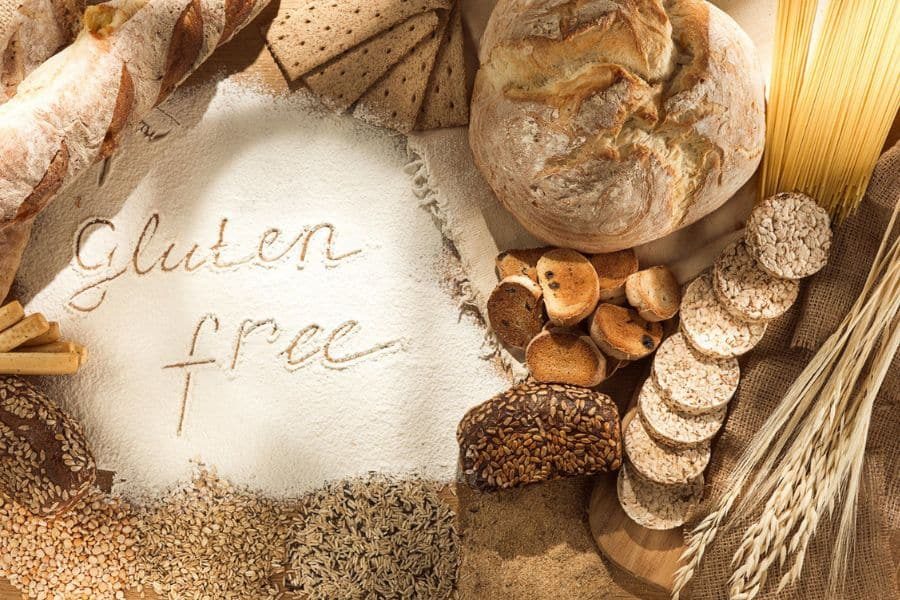
Understanding Diverticulitis and Gluten Intolerance
Linking diverticulitis with gluten intolerance might just save you a few stomachaches. While we’re still piecing together the details, studies hint at gluten potentially agitating diverticulitis in some folks.
Impact of Gluten Intolerance on Diverticulitis
So, what’s the deal with gluten? For some, gluten intolerance, otherwise known as non-celiac gluten sensitivity, causes the gut to throw a tantrum, with inflammation and tissue damage being main offenders. This unpleasant scenario could set the stage for diverticulitis or worsen your current condition. Crazy enough, the symptoms of gluten intolerance—think stomach aches, bloating, and funky bathroom habits—play a similar tune to diverticulitis. This overlap can turn diagnosing and treating both into a game of medical charades.
Folks report a range of tummy troubles that mimic diverticulitis—all because of gluten. So, if you’re facing relentless diverticulitis bouts, it might be high time to consider whether gluten’s got you in its grip (Advanced Food Intolerance Labs).
Link Between Gluten Intolerance and Diverticulitis
There are stories out there of gluten-sensitive individuals battling repeat diverticulitis flare-ups, only to find relief by kicking gluten to the curb. Embracing a gluten-free diet has helped many not only ease gluten woes but also dial down those pesky diverticulitis flare-ups.
Beyond inflammation, gluten intolerance can mess with the friendly microbes in your gut, leaving the door open for infections and inflammation to waltz right in. This is why minding what goes on your plate is crucial for those juggling both issues.
For anyone dealing with the gritty combo of gluten intolerance and diverticulitis, shifting to a high-fiber, balanced diet with other helpful dietary tips could bring much-needed relief.
If you’re considering stepping into gluten-free territory, dip your toes into our gluten-free diet for beginners guide. Curious about going gluten-free? Check out what it can do for you in our article on the benefits of gluten free diet.
Diet Recommendations for Diverticulitis
Taking charge of what you eat can be a game-changer for dealing with diverticulitis. Let’s look at some handy tips that could make your tummy a happier place when faced with this condition.
Dietary Suggestions for Managing Diverticulitis
When diverticulitis flares up, what you eat can either be your ally or your enemy. Doctors often suggest giving your stomach a breather with a liquid or low-fiber diet during these flare-ups (Beyond Celiac). Once you’re feeling better, slowly welcome high-fiber foods back to your table.
| Food Group | What to Try | Steer Clear of During Flare-Ups |
|---|---|---|
| Liquids | Broths, clear juices, gelatin | Solid type things, high-fiber foods |
| Low-Fiber Goodies | Canned fruits, cooked veggies, white bread | Raw fruits, raw veggies, whole grains |
Forget the old wives’ tales—current brainiacs say it’s totally fine to munch on nuts, seeds, or popcorn when you have diverticulitis (Mayo Clinic). Once you’re past a flare-up, feasting on fiber can be your best post-flare buddy.
Why Fiber is Your Friend
Packing your diet with fiber isn’t just smart; it’s key to keeping diverticulitis in check. Fiber-rich foods do wonders for softening your stool and helping it move faster through your system, cutting down the chances of diverticula causing trouble (Mayo Clinic).
| Fiber-Rich Foods | Fiber Content (g per serving) |
|---|---|
| Apples (with skin) | 4.4 |
| Cooked carrots | 3.6 |
| Brown rice | 3.5 |
| Cooked lentils | 8.0 |
| Oats | 4.0 |
Adding a variety of fiber-packed foods like fruits, veggies, and whole grains is a recipe for a happy gut. If you’re sensitive to gluten or have celiac disease, dive into gluten-free options like quinoa, brown rice, and gluten-free oats to keep your fiber up while sidestepping gluten (Mayo Clinic).
Following a gluten-free lifestyle might also help ease those belly woes, upping your overall wellbeing. For some inspiration, check out our gluten-free meal ideas and recipes. If you’re a newbie on this journey, our guide to starting a gluten-free diet will help you kick things off smoothly.
Sticking to these food tips and keeping high-fiber, gluten-free foods in your diet can really help tackle diverticulitis head-on and boost your digestive health. To get a plan that’s just for you, think about teaming up with a dietitian who can whip up a diet menu that works perfectly for your lifestyle.
Gluten-Free Diet for Digestive Health
Look, if your belly’s been feeling like a rollercoaster ride on repeat, there’s a good chance your grub could be behind the shenanigans. And when you’re dealing with things like diverticulitis, what’s on your plate matters a whole lot. Switching up how you eat might just flip the script on your gut drama. Let’s talk about how taking gluten out of your chow lineup could be your new best pal.
Why Go Gluten-Free?
Chunking gluten out of your meals isn’t just for the celebs with quirky food fads; it could be the ticket to calming your gut hoopla, especially if you’ve got a beef with gluten or are prone to diverticulitis spells. Here’s how it shakes down:
-
Ease the Fire in Your Belly: Kicking gluten to the curb can chill out inflammation like a backyard BBQ’s best friend. Less fire, more happy gut. Want the nitty-gritty? Peep our piece on gluten free diet and inflammation.
-
Boost the Good Stuff: Folks with celiac jeepers can wreak havoc on your tiny food-processing parts, messing with essential nutrient intake. Keeping gluten out helps your system soak up all that good stuff you chow down on (Mayo Clinic).
-
Stomach Drama Begone: If gas and bloat are your regulars, ditching gluten might hush those belly rumbles. Whether you’re battling gluten issues or diverticulitis, relief could just be a no-gluten meal away (Advanced Food Intolerance Labs).
-
Keep Things on Track: A gluten-free life isn’t just about dodging pain; it’s about boosting the whole digestive vibe. If you’re juggling diverticulitis, this plan might help steady the circus.
Shifting to a Gluten-Free Life
Jumping on the gluten-free wagon requires some savvy moves. Here’s your cheat sheet:
-
Spot the Sneaky Gluten: Gluten lurks in wheat, barley, and rye. Knowing the culprits goes a long way. Want the newbie guide? Check out gluten free diet for beginners.
-
Become a Label Detective: Check those packages like a spy on a mission. Gluten likes to hide in plain sight!
-
Opt for the Gluten-Free Crew: Fruits, veggies, lean meats, and dairy are on the A-list. Keeping it natural lets you sidestep surprise gluten gatecrashers.
-
Plan Like a Pro: Map out meals with a spread of gluten-free champs. For inspo, swing by our gluten free diet recipes.
-
Out and About Eats: Dining out? Hit spots with gluten-free nods. And always quiz the crew about their kitchen mojo to dodge cross-gluten lines.
-
Mind Your Vitamins: Sometimes gluten-free goodies might skimp on nutrients. Check in with your health guru to see if you need any extras (Mayo Clinic).
Gluten-Free Good Eats Plan
| Meal | Tasty Idea |
|---|---|
| Breakfast | Oatmeal (gluten-free) with berries |
| Snack | Apple slices and almond butter |
| Lunch | Grilled chicken on salad greens |
| Snack | Yogurt drizzled in honey |
| Dinner | Quinoa-jammed bell peppers |
Need more grub ideas? Peek at our gluten free diet meal plan.
Giving up gluten could be the refresh your digestive track’s been hollering for, especially if diverticulitis is the menace under your belt. With a sprinkle of wisdom and a helping hand here and there, that gluten-free groove could light up your life. For deep-dive help, jump over to our guide on how to start a gluten free diet.
Treating Diverticulitis with Diet
Role of Probiotics in Digestive Wellness
Time to chat about probiotics, your gut’s best friend, especially when you’re dealing with issues like diverticulitis. These little guys keep your digestive system happy by balancing out the tiny ecosystem in your belly. If you’re on a gluten-free journey, all the better! Probiotics can be a big help, as claimed by Cleveland Clinic.
Here’s why they rock:
- Knock down inflammation
- Help your digestion work like a charm
- Boost nutrient uptake
- Keep your immune system ready for action
Adding probiotics to your diet isn’t tough. Go for fermented foods like yogurt, kefir, sauerkraut, and kombucha. Or if you’re the on-the-go type, pop a probiotic supplement. Want something just for you? A chat with a dietitian could be useful to mix these into your diverticulitis-friendly and gluten-free meals.
| Source | Probiotic Content (CFUs) |
|---|---|
| Yogurt (1 cup) | 1-10 billion |
| Kefir (1 cup) | 15-30 billion |
| Sauerkraut (4 ounces) | 10-20 billion |
| Kombucha (8 ounces) | 1-5 billion |
Managing Diverticulitis Flare-Ups
Dealing with a diverticulitis flare-up? Your diet can be a superhero against those pesky symptoms. When your tummy’s upset, a low-fiber diet could be the way to go until things settle down (Advanced Food Intolerance Labs). Here are some handy tips:
- Temporary Low-Fiber Diet: Munch on low-fiber foods like broth, simple cereals, or white rice to give your digestive system a break.
- Stay Hydrated: Water is your pal, keep sipping to help your system work smoothly.
- Drop the Dairy: Sometimes dairy can be a gut-buster, so maybe sideline it for a bit.
- Small, Frequent Meals: Smaller bites might just keep your digestion ticking along nicely.
When you start feeling better, slowly reintroduce high-fiber foods to keep flare-ups at bay. A high-fiber diet with plenty of fluids is your long-term buddy for managing diverticulitis.
| Phase | Diet Type | Examples |
|---|---|---|
| Flare-Up | Low-Fiber | Broth, low-fiber cereals, white rice |
| Recovery | Gradual High-Fiber | Fruits, veggies, whole grains |
And don’t forget, lifestyle changes like regular moving-about, good hydration, and handling stress also keep your digestive system on its A-game.
Hungry for more knowledge? Check our pieces on gluten free diet and fiber and how to start a gluten free diet. If you’re new to this, our gluten free diet for beginners guide is a friendly nudge in the right direction.
Gluten-Free Solutions for Digestive Issues
Thinking about going gluten-free? It’s not just for people with celiac disease. This shift can totally change the game for those wrestling with digestive problems like diverticulitis. You might find a gluten-free lifestyle really helps manage your tummy troubles and boosts your overall health. Let’s stroll through how ditching gluten could give your gut some much-needed TLC.
Improving Gut Health
Gluten can be like a storm in your gut, causing inflammation and even damaging your intestines. If diverticulitis is knocking at your door, that’s not what you need. But, kicking gluten out of your diet could calm things down, helping your gut heal and work better.
Here’s a handy table that shows how saying goodbye to gluten can perk up different parts of your digestive system:
| Digestive Factor | Benefit from Going Gluten-Free |
|---|---|
| Inflammation | Soothes the gut, reducing inflammation |
| Nutrient Intake | Helps your gut soak up nutrients more efficiently |
| Bowel Movements | Keeps things moving smoothly |
| Gut Bacteria | Creates a happier, healthier balance of gut bugs |
Curious about making the switch? Swing by how to start a gluten-free diet for the lowdown on jumping into this new lifestyle.
Gluten-Free Diet and Gut Microbiome
Your gut is like its own little world, filled with microscopic friends that keep everything running smoothly. But gluten intolerance can mess things up, making it easier for infections and inflammation to take hold. Going gluten-free can help your gut bacteria live in harmony, boosting both digestion and well-being.
Here’s what having a balanced gut microbiome looks like:
- Fewer Infections: Your good bacteria can keep the bad ones in check.
- Better Digestion: Helpful microbes break down food and help your body use nutrients.
- Stronger Immunity: A happy gut means your immune system stays on its toes.
Adding probiotics to the mix can make your gluten-free switch even easier, introducing good bacteria that support gut health. To dive deeper, check out our gluten-free diet and probiotics guide to learn more.
Besides making your gut happy, a gluten-free diet can also help with weight and mental wellness. Whether you’re just beginning or hunting for new recipes, find tips and tricks on our gluten-free diet for beginners and gluten-free diet recipes pages.
Consulting a Dietitian for Dietary Support
When dealing with diverticulitis and sticking to a gluten-free diet, getting some professional advice can seriously come in handy. Chatting with a dietitian might just be the game-changer you need to hit your health goals.
Personal Diet Plans Just for You
A dietitian is like your personal food coach, whipping up a meal plan that fits your tummy’s needs. They factor in your health story, like any gluten issues or diverticulitis, to build a menu that keeps you feeling great and dodging any nasty flare-ups.
Here’s what your plan might include:
- Tummy-friendly, gluten-free munchies that keep things moving smoothly.
- Solutions for folks who can’t handle raw fruits and veggies, minus the allergies.
- Cooked goodies like veggies, lean meats, and grains that skip the gluten.
Check out this cheat sheet for some gluten-free, high-fiber noms:
| Food Category | Gluten-Free Fiber-Boosters |
|---|---|
| Fruits | Berries, apples (skin on) |
| Veggies | Spinach, carrots, sweet potatoes |
| Grains & Other Goodies | Quinoa, brown rice |
| Beans & Buddies | Lentils, chickpeas |
For some cooking inspiration, don’t miss our gluten free diet recipes.
Pro Tips for Tummy Troubles
Dietitians are like detectives for your diet, helping you suss out those foods that give your belly a hard time. They’ll swap out the offenders and make sure you’re still getting the good stuff your body craves.
Why give a dietitian a ring?
- Spotting what foods are messing with you.
- Crafting a gluten-free meal map that fits your groove.
- Schooling you on why skipping gluten might just help your digestive health.
- Giving ongoing pep talks and fine-tuning your menu as you progress.
Diet pros can also talk you through adding probiotics to the mix, which can really help in keeping your stomach strong and ready for anything. Curious about probiotics? Be sure to read up on the role of probiotics in digestive wellness.
Sorting through a gluten-free diet alongside diverticulitis is way simpler with a pro in your corner. Their know-how ensures you’re making smart food choices, steering you towards a healthier, happier life. Why not book that dietitian visit and kickstart your path to feeling better today?