

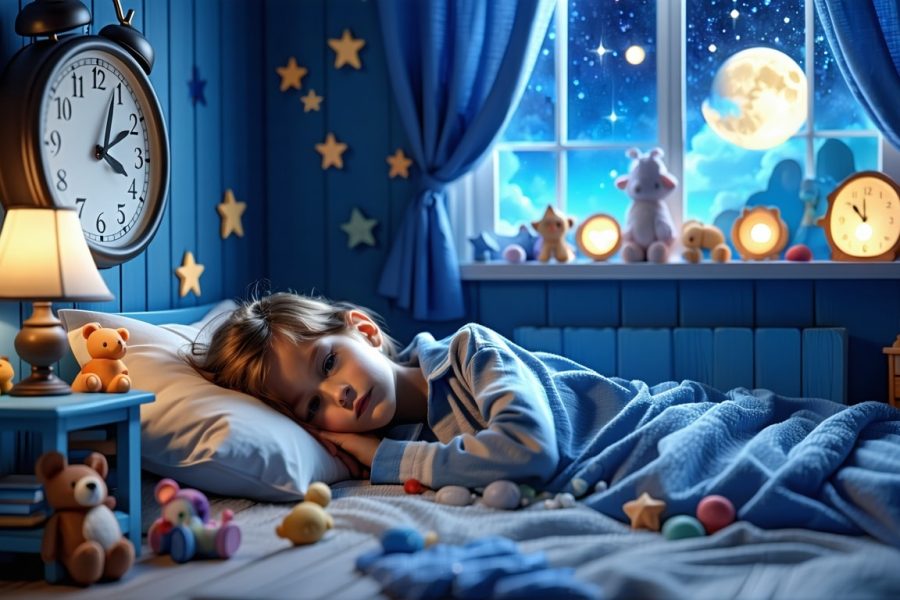
Understanding Insomnia in Children
Definition of Insomnia Symptoms
When you think about insomnia in children, it’s basically when your kiddo just can’t seem to catch some z’s at night. Ever spend a night listening to your child tossing and turning? That’s what we’re talking about here. Insomnia in kids often means they’ve got trouble dozing off or staying in dreamland. Turns out, there’s even a link between this and what the brainy folks call sleep disordered breathing (SDB), which involves wonky breathing during sleep and can mess with sleep quality (NCBI). Spotting these signs early can really help in figuring out a plan to help your child sleep better, and hopefully give you a break too.
| Insomnia Symptoms | Explanation |
|---|---|
| Difficulty falling asleep | Struggling to go to sleep at bedtime |
| Difficulty staying asleep | Waking up a bunch during the night |
| Sleep disordered breathing (SDB) | Breathing issues messing with sleep quality |
Gender Differences in Insomnia Prevalence
When we’re talking about how many kiddos are dealing with insomnia, there’s a bit of a pattern with boys and girls. Imagine this: nearly one in five kids has trouble sleeping, but if you have a daughter who’s around 11 or 12, those numbers shoot up to about one in three. Yep, 30.6% of girls hit with this at that age (NCBI). For girls that age, insomnia can be a bigger sleep steal, while boys don’t seem to show such differences in sleep quality.
| Age Group | Insomnia Rate (%) | Gender |
|---|---|---|
| Young Children | 19.3 | Both |
| Girls (11-12 years) | 30.6 | Female |
| Boys (11-12 years) | No major change | Male |
These numbers stick around even when we don’t count the kiddos with breathing sleep issues, with about 20.2% overall (NCBI). Getting a handle on these stats helps you to be on the lookout for any sleep shenanigans your child might hit, so you can think about reaching out for help or maybe looking into natural remedies for insomnia if you’re interested. If you’re curious how this all ties into stuff like mental health, you might want to check out our articles on insomnia and anxiety and insomnia and depression.
Impact of Insomnia on Kids
When your kid’s struggling to snooze, it can mess with their health and mood big time. Knowing what happens when sleep is elusive helps you tackle it head-on with them.
Sleep Woes in Kids with Insomnia
Insomnia in kids usually shows through a bunch of sleep problems. It might be them battling to fall asleep, waking in the middle of the night, or rising way too early. These hiccups mess up the quality of their shut-eye, leaving them yawning all day.
Researchers point out that girls around 11-12 who can’t sleep well actually show measurable sleep issues, while boys the same age don’t seem to differ much (NCBI). Bad sleep can mess with how kids feel, act, and focus in school.
| Trouble Sleeping Represents | What’s it? |
|---|---|
| Overthinking Insomnia | Can’t doze off easily |
| Middle-of-the-Night Wakey Wakey | Popping awake at night |
| Can’t Lie In | Getting up before sunrise |
These sleep struggles can throw a wrench in everyday life, so sorting them out ASAP is key for parents.
Linked with Anxiety and the Blues
When kiddos can’t sleep, there’s often a worry or sadness hanging around (NCBI). If your child’s tossing and turning, they might also be dealing with emotional hiccups. This makes it important to take on their sleep probs from all sides.
Keep an eye on how your child sleeps and their feelings. Skimping on dreamland can pump up anxiety and sadness. Sometimes, long-term sleep issues might lead to brain and thinking troubles, especially if your kid has neurodevelopmental bumps in the road (PubMed).
For more help, check out resources on related stuff like insomnia and anxiety or insomnia and depression. These links dish out more deets and remedies for handling kids’ insomnia. By tackling these issues, you’re setting your kiddo up for better sleep and a happier, healthier life.
Types and Causes of Insomnia in Children
Figuring out why your kid isn’t catching those Z’s can be a real head-scratcher. Kids can have all sorts of sleep hiccups, each with their own sneaky reasons. Let’s break it down so you can tackle whatever’s keeping them awake.
Patterns of Insomnia
Kids can run into different snooze roadblocks, messing with their nighttime chill:
| Pattern | What’s Happening? |
|---|---|
| Onset | Trouble drifitin’ off when the lights go out. |
| Middle | Waking up in the middle of the night and struggling to get back to dreamland. |
| Terminal | Rising way too early and not being able to slide back into sleep mode. |
Spotting these patterns can tip you off to the sleep battles your kid might be fighting. Armed with this knowledge, you’ll have a better shot at making sure they sleep better (Children’s Health).
Factors Contributing to Insomnia
Kids’ insomnia is pretty common, and you might be surprised by all the things that can mess with their sleep. Scrutinizing the roots of their sleep woes can shed light on what’s really going down:
- Behavioral Health Issues: Anxiety or stress is like a heavy backpack full of insomnia.
- Stimulants: Little legs don’t need a caffeine boost; it keeps ’em bouncing, not snoozing.
- Environmental Factors: Too much noise or light? Check the sleep setup.
- Medical Conditions: Some health stuff can really throw a wrench in a kid’s sleep.
- Medications: Sometimes meds double as sleep blockers.
- Neurodevelopmental Disorders: These can ramp up sleep issues faster than a sugar rush.
- Sleep Disorders: Like when sleep apnea shows up uninvited.
- Stressors: Starting school or family kerfuffles can brew up anxiety that messes with sleep (Children’s Health).
Long-term sleep problems can really mess with stuff like learning and behavior, especially for kids dealing with other challenges (PubMed).
Keep an eye out for any bedtime habits getting in the way, like needing to be rocked or fed to snooze. A chill nighttime routine and setting up a cozy sleep space can do wonders. Need more tricks for dealing with no-sleep blues? Check out our guides on how to cure insomnia and natural remedies for insomnia.
Signs and Symptoms of Insomnia in Children
Figuring out when your little one’s having trouble with sleep’s kinda crucial to set things right and help them snooze better. We’ll chat about the kiddo behavior stuff and focus fumbles tied to insomnia, plus how sleepiness during the day and night wake-ups play in this mix.
Behavioral Issues and Concentration Problems
When kids can’t sleep, it often shows in their behavior and focus. Check out these signs:
- Attention Difficulties: Having a rough time sticking to tasks at school or home.
- Hyperactivity: Acting like they’ve got a never-ending sugar rush and can’t sit still.
- Poor Impulse Control: Finding it tricky to keep impulses in check, which might lead to risky play.
- Emotional Regulation Issues: Struggling with feelings, popping off in anger, or having mood swings.
Studies say kids with insomnia tend to have more anxiety, feel down, and have sleep issues tracked by sleep tests (NCBI). Spotting these trouble spots helps you figure out how lack of sleep is affecting your child’s vibe.
| Behavioral Issues | Examples |
|---|---|
| Attention Difficulties | Zoning out in class or while doing homework |
| Hyperactivity | Wiggling about or having ants in their pants |
| Poor Impulse Control | Cutting in line or doing things without thinking |
| Emotional Regulation Issues | Flipping out or experiencing big mood swings |
Daytime Drowsiness and Nighttime Awakenings
Feeling zonked during the day is another clue your kid’s not getting enough sleep. Here’s what to keep an eye on:
- Excessive Drowsiness: Dragging through the day tired, making it tricky to do activities or stay alert at school.
- Resistance to Sleep: Fighting bedtime, making it a mission for you to keep a good sleep schedule.
- Waking Up During the Night: Popping awake way too many times, messing with their sleep cycle.
- Waking Up Too Early: Rising with the roosters can mean they’re missing out on needed sleep.
These can throw a wrench in their learning and social plans. Kids with insomnia may have trouble nodding off, staying asleep, or wake up too early (Boston Children’s Hospital).
| Daytime Symptoms | Impact |
|---|---|
| Excessive Drowsiness | Hard time focusing and learning in school |
| Resistance to Sleep | Nighttime battles adding stress for everyone |
| Nighttime Awakenings | Sleep getting chopped up leading to tiredness and crabby moods |
| Waking Up Too Early | Not sleeping enough making daily life tougher |
Spotting these hints can be your starting point to tackle your kiddo’s sleep challenges. This might mean checking out info on insomnia and sleep disorders, considering natural remedies for insomnia, or even reaching out for professional help if needed.
Diagnosis and Treatment of Insomnia in Children
Pediatric Sleep Evaluations
To tackle insomnia in kids, a pediatric sleep evaluation might be on your to-do list. These check-ups are about piecing together your kid’s sleep puzzle and figuring out what’s causing those restless nights. The sleep specialists will chat with you and maybe ask you to fill out some forms. They might even watch over your child’s sleep habits. It’s all about creating a personalized treatment game plan that covers all the bases (more info from Children’s Health).
Here’s the lowdown on what goes on during a pediatric sleep check:
| Evaluation Component | Description |
|---|---|
| Sleep History | Insights into your kid’s sleep routines and length of sleep |
| Behavioral Assessment | Checking out any quirky sleep behaviors or habits |
| Sleep Diary | A daily journal to keep track of zzz time |
| Questionnaires | Standard forms to dig into sleep troubles |
Treatment Strategies for Insomnia
Fixing insomnia in kids usually means mixing up some new habits and maybe some medicines if needed. Understanding that behavioral insomnia can be tackled is important. Here’s a roadmap to some strategies you might try:
-
Behavioral Adjustments:
-
Start a chill bedtime routine to signal that it’s time to wind down.
-
Stick to a regular bedtime and waking time every day.
-
Use cognitive behavioral therapy for insomnia (CBT-I) to beat negative thoughts about sleep.
-
Tweaking the Environment:
-
Make the bedroom a sleep haven—dark, quiet, not too warm.
-
Say goodbye to screens from phones, tablets, and TVs at least an hour before lights-out.
-
Medication Options:
-
If tweaking behaviors doesn’t cut it, you might chat with the doc about sleep meds. Always with a pro’s nod and sometimes paired with other treatments for best results (here’s what Boston Children’s Hospital says).
Keep talking to your healthcare crew as this unfolds, so you’ve got support and can track how things are going. Looking for more? Click through to our insomnia and sleep disorders page.
Knowing your options helps arm you with what you need to make smart moves for your child’s sleep health.
Resources for Insomnia Care
Kids struggling with insomnia need the right kind of support to help them get better sleep. Here’s a look at some options that can help tackle sleep troubles in children.
Care at Sleep Centers
Sleep centers are a big help when it comes to dealing with insomnia in kids. The experts there know that every child’s sleepy-time issues are a bit different. They dig into the root of the problem and create plans that fit just right to boost your child’s sleep quality. For example, at Boston Children’s Hospital’s Sleep Center, they zero in on things like behavior and bedtime routines that might affect sleep.
At these centers, they might use tools and tests, like sleep studies, to gather a whole heap of info on your child’s sleeping habits. This helps them pinpoint the kind of insomnia, whether it’s ongoing, comes and goes, or just pops up now and then (Children’s Health).
Support and Treatment Options
There are many ways to help kids with insomnia. Some tried-and-true methods include:
- Behavioral Techniques: Cognitive Behavioral Therapy for Insomnia (CBT-I) can be a game-changer by addressing behaviors that mess with sleep.
- Chill Bedtime Routines: Helping your child find a peaceful pre-sleep ritual can cue it’s time to snooze.
- Sticking to Sleep Schedules: Regular sleep and wake times can help normalize your child’s sleep patterns.
- Kicking Sleep Crutches: Spotting and changing any crutches your child relies on to fall asleep can make a big difference.
In some cases, medication might be on the table, but that’s usually for kids dealing with big medical, mental health, or developmental hurdles (Children’s Hospital Boston).
Worried about your child’s insomnia? Think about visiting a sleep center for some expert advice. For more details on diagnoses and treatments, check out our pieces on insomnia symptoms and how to cure insomnia. Looking for alternatives? Our guide on natural remedies for insomnia might have what you need.
Building a strong support network and using the smarts of specialists can truly help your child tackle insomnia head-on.