

Understanding Insomnia
What is Insomnia?
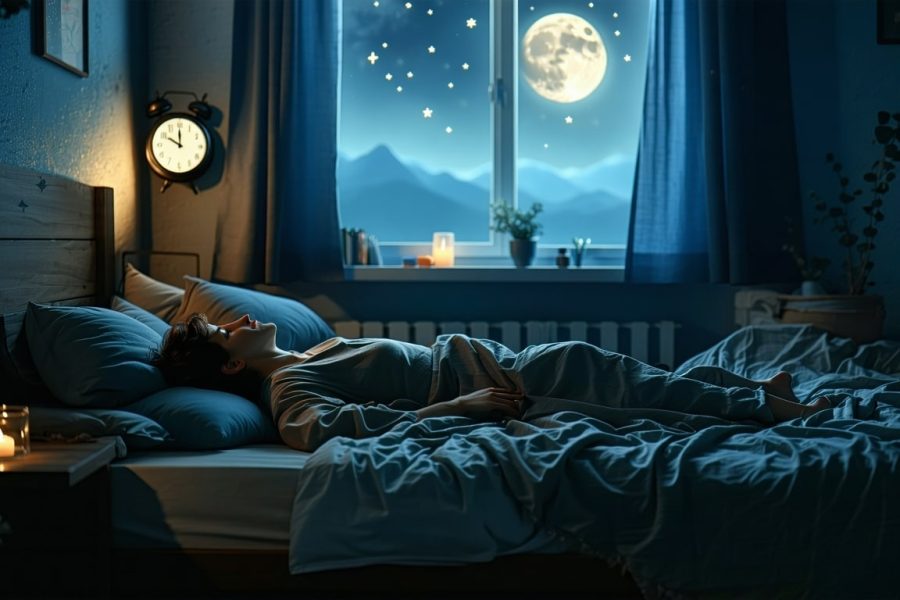
Insomnia’s a real bugger of a sleep disorder. At some point, lots of folks find they’re wide awake when they’d rather be snoozing. It’s all about struggling to get to sleep, waking up a million times during the night, or popping awake at the crack of dawn and staring at the ceiling. The Mayo Clinic says insomnia shows up as:
| Insomnia Symptom | Description |
|---|---|
| Difficulty Falling Asleep | Lying there, watching the clock tick while your brain won’t shut down. |
| Trouble Staying Asleep | Popping awake time after time like a jack-in-the-box. |
| Waking Up Too Early | Opening your eyes way before that alarm goes off with zero ability to doze off again. |
| Feeling Tired Upon Waking | Getting outta bed feeling like you wrestled a bear all night. |
Impact on Your Life
Insomnia doesn’t just mess with your sleep; it can turn your day upside down too. Missing out on that sweet, sweet slumber can zap your energy, leaving you cranky, spaced out, and dragging your feet. It messes with your groove at work, and your relationships might feel the pinch too. About 1 outta 3 folks in the world nod off to insomnia symptoms, and 10% hit the mark for the full-blown insomnia disorder (Cleveland Clinic).
The long-term effects? Yeah, they’re a drag too. Battling insomnia for days on end can spike your odds of landing with some gnarly health issues like anxiety and depression. Stress, whether it’s a sudden storm in your life or a constant drizzle, can keep the insomnia beast alive. Spotting these trouble signs early can be a game-changer. We’ve got more on how insomnia ties into depression and anxiety over in our other posts.
Grasping what insomnia is all about helps you find a way to tackle it. Be it tweakin’ your lifestyle, giving natural fixes for insomnia a whirl, or roping in the pros. Just remember, you’re not tackling this alone. There’s a raft of support out there to patch up your sleep routine.
Types of Insomnia
Getting the skinny on what type of insomnia you’re wrestling with can be a game changer. Each has its quirks and triggers, so if tossing and turning haunts your nights, it’s good to know what you’re dealing with.
Short-Term Insomnia
Short-term, or what the fancy folks call acute insomnia, is like an unwelcome guest that sticks around for less than three months. It’s often triggered when life’s stress dial is cranked to 11—like losing someone dear, hearing those dreaded medical test results, or, y’know, dealing with any big life shake-ups. While anyone can feel the pinch, short-term insomnia seems to have a thing for women, particularly when babies or the big M (menopause) is involved (Sleep Foundation).
| What It’s Like | How Long It Lasts | What Causes It |
|---|---|---|
| Short-Term Insomnia | Less than 3 months | Stress, anxiety, major life shake-ups |
Chronic Insomnia
If troubles with sleep become a regular, at-least-three-nights-a-week kind of thing, and this drag-out feud lasts for over three months, say hello to chronic insomnia. Blame it on wacky sleep habits, sloppy sleep practices, or maybe the mental roller coasters we all ride now and then. It won’t land you in the ER, but it can definitely color your days a shade of grey. And wouldn’t you know it? Ladies seem to get the short end of the stick here, once again (Cleveland Clinic).
| What It’s Like | How Long It Lasts | What Causes It |
|---|---|---|
| Chronic Insomnia | 3 months or more | Weird sleep patterns, mental health challenges, bad sleep hygiene |
Onset Insomnia
Onset insomnia is like trying to win a staring contest with your ceiling. You hit the hay but can’t quite drift off. Tossing and turning, you lie awake in bed as sleep decides to play hard to get. Shift work, stress, or anxiety could stir this one up. Onset insomnia might come and go, or decide to stick with you for the long haul, with feelings often riding shotgun (Healthline).
| What It’s Like | What’s Going On | What Causes It |
|---|---|---|
| Onset Insomnia | Trouble falling asleep | Stress, anxiety, emotional baggage |
Maintenance Insomnia
This one’s about those midnight wake-ups where getting back to sleep feels like trying to find Waldo in a sea of stripes. Maintenance insomnia messes with the quality and amount of Z’s you get, leaving you sleepy-eyed during the day. Could be linked to issues like depression or other health woes (Sleep Foundation).
| What It’s Like | What’s Happening | What Causes It |
|---|---|---|
| Maintenance Insomnia | Waking during the night and staying awake | Depression, health snags |
Identifying what kind of insomnia has you in its grip can be the first move toward kicking it to the curb and getting your sleep life back on track. For more on tackling insomnia, check out tips on insomnia and medication, natural remedies for insomnia, and how to cure insomnia.
Symptoms of Insomnia
Wrestling with insomnia? Yeah, it ain’t easy. But zeroing in on the symptoms can shed some light on what’s going on and steer you towards fixing it. Let’s talk about some signs you might recognize.
Difficulty Falling Asleep
Struggling to snooze is one of those classic insomnia symptoms. Ever found yourself giving the ceiling a solid five-hour stare-down or counting so many sheep you start naming them? This uneasy dance can spiral into frustration and anxiety, making it even tougher to find that peaceful rest we all crave.
| Time to Fall Asleep | Percentage of Insomnia Sufferers |
|---|---|
| 0-15 minutes | 10% |
| 15-30 minutes | 30% |
| 30+ minutes | 60% |
If you often spend 30 minutes or more trying to drift off, that might be insomnia crashing your party.
Trouble Staying Asleep
Even if you manage to crash, staying asleep might turn into a nightly game of hide-and-seek. There’s the waking up over and over or getting up earlier than you’d planned, with zero chance of sneaking back to dreamland. This disruption can cut your sleep short, leaving you dragging through the day like a zombie.
| Frequency of Waking Up | Percentage of Insomnia Sufferers |
|---|---|
| Rarely | 25% |
| Occasionally | 50% |
| Frequently | 25% |
Waking up frequently messes with your sleep mojo, and making it through the day can feel like you’re running on empty.
Waking Up Too Early
For some, it’s an early morning alarm that didn’t need help from a clock. Even if you hit the hay easily, popping up with the sun—unrefreshed and groggy as all get out—can be a common insomnia hiccup. And let’s face it, those feelings of frustration and, “Dang, it’s way too early for this,” are probably gonna kick in, too.
Getting up before you’re ready can cramp your style, making it tough to focus and keep up at work or other daily grind stuff.
Spotting these insomnia signs can clear things up for you. Ready to tackle this head-on? Check out some ideas for sorting your sleep: tips for curing insomnia, natural insomnia fixes, and what links insomnia with stress or insomnia with anxiety.
Factors Messing With Your Sleep
Figuring out the stuff that messes with your sleep can help you pinpoint what’s keeping you up at night. There are a bunch of things that can throw off your z’s, like how you live your life, stress levels, and health issues.
Daily Routines Gone Rogue
What you do every day can seriously mess with your snooze time. Some habits are just asking for trouble when it comes to sleep. Here’s what to look out for:
| Habit | How It Messes With Sleep |
|---|---|
| Chugging caffeine or puffing on nicotine | These keep you buzzing and awake |
| Weird sleep schedule | Throws off your body’s natural timer |
| Glued to screens before bed | Blue light’s a sneaky sleep thief, messing with your melatonin |
| Skipping exercise | Too much energy and jitteriness can keep you tossing and turning |
| Eating badly | Heavy or spicy meals can keep you up feeling uncomfortable |
Tweaking these everyday habits can really help you catch those Z’s. For more tips, check out our article on how to tackle insomnia.
Stress Mess
Stress is a major sleep snatcher. If life’s throwing curveballs, they might keep your brain buzzing. Here’s what might be stressing you out:
- Work pressures
- Relationship drama
- Huge life shake-ups (like moving or losing someone close)
If stress has you up all night, try chilling out with techniques like meditation or deep breathing before hitting the hay. We dish out more on this in our article about stress and sleep struggles.
Health Hiccups
Health issues can totally crash your sleep party. Stuff like chronic conditions, hormone changes, and mental health slips can play a big role. Here are a few culprits:
| Condition | Sleep Headache |
|---|---|
| Depression | Screws up your sleep cycle, making shut-eye elusive |
| Anxiety | Worry and racing thoughts keep your brain wide awake |
| Hormones gone wild | Menopause or pregnancy hormones wreak havoc on sleep |
| Chronic pain or illness | Pain from things like arthritis or diabetes can keep you awake |
If health issues might be what’s throwing off your sleep, talk to your doc about ways to get things back on track. For more scoop, hit up our articles about meds and sleep and depression’s sleep sabotage.
Spotting these sleep disruptors is the first step towards nailing down better sleep. Figuring out what’s behind your sleepless nights helps you reclaim your rest!
Complications of Insomnia
Dealing with insomnia isn’t just about tossing and turning at night; it sneaks into every corner of your day-to-day life. The ripple effect of missing sleep can crash into your mental and physical well-being, often making that shut-eye even harder to catch.
Mental Health Effects
Tossing and turning all night doesn’t just make you tired; it can really mess with your mood, too. If you’re missing out on sleep, you might notice you’re more irritable or anxious, and feeling down becomes all too common. Those endless nights wide awake? Yeah, they seriously crank up your stress. Check out this breakdown of the mental health struggles linked to insomnia:
| Mental Health Issue | Percentage of Affected Folks |
|---|---|
| Anxiety Disorders | 40% |
| Depression | 20% |
| Stress Levels | 50% |
As flagged by the Cleveland Clinic, all that lost sleep can starve your brain of rest, pushing your bright mood into the shadows. Mood swings, fuzzy thinking, and just feeling “off” can make showing up for work or life, in general, a heavy lift. So, giving insomnia a run for its money is key to keeping your mental health shipshape.
Physical Health Impacts
Insomnia doesn’t just mess with your mind; it can wear down your body too. Missing out on Zs raises the stakes for creeping health woes like extra pounds, diabetes, or heart hiccups. Here’s a quick look at how insomnia might be wrecking your health ride:
| Physical Health Issue | Impact |
|---|---|
| Weight Gain | Taming your hunger can become a chore |
| Heart Disease | Spikes in blood pressure risk |
| Immune System | Tired defenses against bugs |
Dragging through your day sleepy-eyed can be downright dangerous, especially if you’re behind the wheel or handling heavy stuff. The Mayo Clinic points out that long-term insomnia can drag down your chance at a quality life. So, don’t just roll with it—take steps to own those sleep troubles.
If you’re tired of being tired, why not give natural sleep solutions a go, or check into advice on overcoming insomnia? Tackling insomnia isn’t just about getting more rest; it’s about stepping up for your health, both in your head and everywhere else.
Managing Insomnia
Trying to get a grip on insomnia can feel like wrangling a stubborn mule, but don’t worry, you got this! It’s all about finding what clicks for you. Let’s break it down into bite-sized pieces.
Treatment Options
Tackling insomnia isn’t a one-size-fits-all kinda deal. There’s a mix of options, from chatting with a therapist to popping a pill, depending on how tough your sleep battle is.
| Treatment Option | What It Does |
|---|---|
| Cognitive Behavioral Therapy | A little heart-to-heart with a pro to flip those negative sleep gremlins in your head into friendly sheep. It really works! (Cleveland Clinic) |
| Medications | Sometimes a pill might pinch in the sleep monster. Chat with your doc about which one’s your magic bullet. (Cleveland Clinic) |
| Sleep Aids | Over-the-counter helpers are like training wheels. They can help for a bit, but don’t hit the escape button on reading our best sleep aids section first. |
Lifestyle Changes
Tinkering with your daily groove can work wonders. Here are some pro tips to catch some solid Z’s:
| Lifestyle Change | Perks |
|---|---|
| Set a Sleep Schedule | Snooze and wake at the same time, even on weekends. Your body clock’s got its own rhythm. (Mayo Clinic) |
| Make Your Bedroom a Sleep Sanctuary | Keep it cozy, dark, and quiet. Think of it like a luxury cave without the bats. |
| Screen Off Before Bed | Less blue light means more Z’s. Screens off at least half an hour before hitting the hay. |
| Ditch Late-Day Caffeine and Big Dinners | Cut down coffee after lunch and skip a heavy five-course dinner just before bed. Your tummy and dreams will thank you. |
Seeking Professional Help
If all else fails and you’re still counting sheep with no luck, don’t play the tough guy role—reach out for help. You might find out if it’s more than just the odd restless night (Sleep Foundation). If something deeper like stress or sadness is poking your peace, a pro can help sort it out (insomnia and anxiety, insomnia and depression).
A quick chat with a doctor can unveil other culprits, making sure you tackle sleep like a ninja. For a deep dive into those late-night struggles, hit up our information on insomnia and sleep disorders and natural insomnia remedies. Keep the faith and goodnight!