

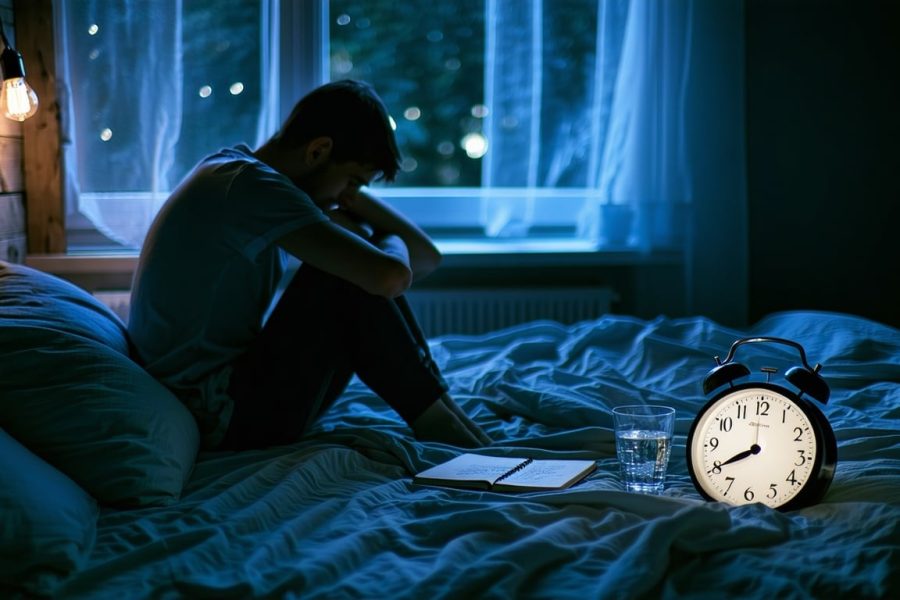
Understanding Insomnia and Stress
Impact of Stress on Sleep
Stress can majorly mess with your sleep. Your mind might keep ticking, revisiting that awkward moment from Tuesday afternoon, making it hard to catch some z’s. When your stress levels soar, falling asleep isn’t the only battle—staying asleep becomes a struggle too. Scientists say stress can throw off your deep sleep groove and turn your REM cycles into chaotic messes, resulting in a toss-and-turn kind of night.
Here’s what stress might do to your precious sleep:
| Effect | What Happens? |
|---|---|
| Trouble Knocking Out | You can’t shut off the endless loop of thoughts. |
| Night Wake-Ups | You find yourself staring at the ceiling at all hours. |
| Poor Sleep Quality | Your sleep is all out of whack, leaving you groggy. |
| More Anxiety | Tomorrow’s worries visit before the alarm even rings. |
If stress sticks around, prepare for possible long-term insomnia, lasting months or even years. Life can throw curveballs, and insomnia can be a nasty tag-along.
Types of Insomnia
Knowing your insomnia type is key to squashing your sleep drama. Here’s how the sleepless nights often shape up:
| Type of Insomnia | What’s the Deal? |
|---|---|
| Short-Term Insomnia | This hits when you’re stressed or something throws you off. Might vanish in days or hang around a bit longer. |
| Long-Haul Insomnia | You’re dealing with this if your sleepless nights turn into a routine, like a bad rerun, appearing three times a week or more for three months. Stress and change are often the culprits. |
Nailing down whether you’re facing short-term or long-haul insomnia helps in tackling it head-on. Want to dig deeper? Check out how insomnia and anxiety or insomnia and depression might be cozying up to each other. Knowing how stress intertwines with your insomnia is one big, bold leap toward crashing into dreamland peacefully.
Effects of Chronic Stress on Insomnia
Chronic stress is like having an endless playlist of rock music when you’re trying to sleep—it’s just not happening. It’s bound to mess with how easily you slip into dreamland, sometimes making you feel like the only insomniac in the world.
Sleep Disruption
So, stress isn’t just bad news for your sanity, it’s a sleep thief too, often turning into full-blown insomnia after a while. Think about it: if you can’t drift off or stay sleeping for at least three nights a week over three months, chances are stress is playing a starring role. The Sleep Foundation points out that life’s ups and downs or nagging worries can crank up your insomnia, waking you up as soon as you blink.
| Symptoms of Sleep Disruption | Frequency |
|---|---|
| Trouble drifting off | ≥ 3 x per week |
| Waking up multiple times | ≥ 3 x per week |
| Early bird awakenings with no worm | ≥ 3 x per week |
Sleep Structure Changes
Stress is the unwelcome guest, ready to rearrange the furniture in your sleep cycle. It can mess up your deep and REM sleep stages—the ones that recharge your batteries (Sleep Foundation). Without those, you’re looking at being worn out no matter how long you snooze.
| Changes in Sleep Structure | Effects |
|---|---|
| Less time in deep sleep | Poor recovery |
| Interrupted REM sleep | Memory fog and mood swings |
Stress and garbage sleep are like the worst kind of tag team, feeding into each other until you manage to put the stress monster back in its cage. If you’re serious about catching those zzz’s without stress poking you awake, dive into some ideas on how to cure insomnia and give nature a chance with natural remedies for insomnia.
Coping with Insomnia and Stress
Finding ways to deal with sleepless nights and that heavy cloud of stress can do wonders for how you feel overall. Let’s check out two rock-solid methods: Cognitive Behavioral Therapy (CBT) and some chill-out techniques.
Cognitive Behavioral Therapy (CBT)
Cognitive Behavioral Therapy for Insomnia (CBT-I) takes aim at the pesky thoughts and habits messing up your shut-eye. It’s like having a tool kit for your mind, fine-tuned to tackle insomnia. Science backs this up, showing CBT-I can help you kick those negative sleep thoughts to the curb (Sleep Foundation).
The main ingredients in CBT-I are:
- Sleep Restriction: Trim down how much time you spend tossing and turning in bed.
- Sleep Hygiene Education: Set up good habits with a cozy sleep spot and stick to a sleep routine.
- Coping Skills: Get some tricks up your sleeve to handle worry and stress that mess with your snooze.
- Relaxation Techniques: Mix in some deep breaths, easy muscle relaxation, or maybe a bit of mindfulness.
Think of CBT-I as your go-to mate for better sleep health. For extra tips on how to deal with sleep troubles, check out our piece on insomnia and sleep disorders.
Relaxation Techniques
Fitting some relax time into your daily grind can melt away stress and help you hit the hay faster. Try these out:
| Relaxation Technique | Description |
|---|---|
| Deep Breathing | Breathe in slow through your nose, hold it a bit, let it out slow through your mouth. Give it a go a few times. |
| Progressive Muscle Relaxation | Squeeze and release each muscle group from toe to tip. |
| Mindfulness Meditation | Think about ‘now’ without giving yourself a hard time. Could help with the jitters. |
| Visualization | Picture a serene setting in your mind, just chilling. |
| Gentle Yoga or Stretching | Move slow and easy to knock out any body knots and find your zen. |
These tricks help tone down those stress levels and might just score you some sweet dreams. Slip these moves into your chilled bedtime routine for prime results.
Got more interest in things like natural insomnia fixes or want to dig into why insomnia vibes with depression? Dive into those topics as you try out these tips. Remember, sorting insomnia and stress is a marathon, not a sprint, and asking a pro for help is always a good call.
Managing Stress-Related Insomnia
Wrestling with stress and insomnia? There’s hope at the end of the pillowcase! With a few smart tweaks to your bedtime habits, you can catch those elusive Zs.
Sleep Hygiene Tips
Think of sleep hygiene as giving your snooze space a makeover. Here’s how you can make your nights more restful:
| Tip | Description |
|---|---|
| Stick to a schedule | Hit the hay and rise at the same time daily, weekend snooze-ins too. |
| Set the scene | Make your bedroom a chill zone. Think cool, dark, and quiet. Blackout curtains and maybe a white noise machine are your new best friends. |
| Screens off | Dim the glow of gadgets. Ditch the screens at least an hour before hitting the sack to cut down on that pesky blue light. |
| Mind your meals | Heavy meals, caffeine, and booze can mess with your sleep mojo. Go for a lighter snack if the belly grumbles. |
| Keep moving | Daily exercise is like sleep magic. Try for 30 minutes on most days, and watch stress melt away. |
| Chill before bed | Take some time to unwind. Read, meditate, or soak in a warm bath—your call. |
Following these simple steps lays the groundwork for sweeter dreams and less stress toying with your sleep. Want to dive deeper? Check out our page on insomnia and sleep disorders.
Relaxing Bedtime Routines
Your bedtime routine acts like a lullaby for the mind. Here are some bedtime go-tos:
- Light stretches or yoga: Do some easy stretches to loosen up. Your muscles will thank you.
- Deep breaths: Breathe in through the nose, hold it, then let it out slow. It’s like a mini tranquility trip.
- Mindful minutes: Meditate or practice mindfulness to send your worries packing.
- Enter the book zone: Sink into a good read. Nothing too thrilling—boring is beautiful here.
- Journal your way to peace: Scribble down your thoughts. Clear your mind, free the brain space.
Crafting your own wind-down ritual eases you into a restful state, helping to banish insomnia. For more tips, visit our guide on how to cure insomnia.
Getting decent sleep takes the edge off stress and bolsters your overall health. By embracing these sleep hygiene habits and calming bedtime rituals, you’re on your way to reclaiming your snooze time and sleeping like a baby again.
Sleep Reactivity and Insomnia Risk
Relationship Between Stress and Sleep Reactivity
Getting your head around how stress and sleep reactivity are linked can really help tackle insomnia. When your sleep reactivity is high, you’re more likely to struggle with hitting the sack, especially when life throws stress your way. Studies suggest those who often toss and turn without enough shut-eye are ten times more prone to cranking up that sleep reactivity compared to folks who log a solid night’s rest. It’s this sensitivity that can cause your nights to become a bit of a nightmare, especially during your REM phase (source).
Folks with high sleep reactivity are almost 60% more likely to bump into insomnia symptoms, doubling their chances of being stuck with chronic insomnia in two years compared to those who have a low reactivity. These odds hold even if you factor in sleep habits, mood dips, and how much stress is hanging over you. So, it’s pretty important to gauge your sleep reactivity if you want to handle insomnia better.
Identifying Sleep Reactivity
Figuring out where you stand with sleep reactivity can clue you into your insomnia risks. One handy tool for this is the Ford Insomnia Response to Stress Test (FIRST). Thinking you might have spiky sleep reactivity? Give this test a whirl. Score 18 or above and you’re in the higher risk club for insomnia, with a 62% sensitivity and 67% specificity for yearly insomnia forecasts. Hit this mark, and you’re twice as likely to tango with insomnia than those with chill scores.
Here’s a rough idea on what your FIRST score might mean:
| FIRST Score Range | Insomnia Risk |
|---|---|
| Less than 18 | Lower risk |
| 18 and above | Elevated risk |
Knowing where you stand on this can help you make smarter moves towards getting better Z’s. If insomnia’s got you down lately, you might want to peek at natural remedies for insomnia or consider reaching out for some pro tips on how to cure insomnia. Dealing with stress and sleeplessness can be your ticket to sweeter dreams and brighter days ahead.
Coping Strategies for Insomnia Symptoms
Wrangling insomnia and stress ain’t no walk in the park, but cracking the code to sleep better can make a world of difference in how you feel each day. Knowing the good, the bad, and the ugly of coping methods is key to taming your sleep troubles.
Effective Coping Mechanisms
Got insomnia? Yeah, it’s a bummer, but there are ways to tackle it head-on that can lighten your sleep load. Research has your back, showing that picking up methods like being proactive, sharing a laugh, and leaning on a friend can actually ease those sleepless nights. Give these a whirl:
| Strategy | What It’s All About |
|---|---|
| Active Coping | Taking charge by tackling problems head-on, maybe through therapy or easing stress with relaxation tactics. |
| Humor | Lighten up—laughter doesn’t only feel good, it helps you relax by popping happy hormones. |
| Emotional Support | Connect with your crew or fam for some heartfelt support: being heard can chase away loneliness. |
| Instrumental Support | When life’s chores pile up, lean on your peeps for help—it reduces stress and gives you a breather. |
These strategies can take a bite out of insomnia’s hold and help you snag some solid Zzz’s. Curious about going deeper on conquering insomnia? Check out natural remedies for insomnia or get the scoop on how to cure insomnia.
Maladaptive Coping Strategies
Not all remedies are created equal, my friend. Some sneaky tactics might actually stir the pot, rather than settle it. Here’s the lowdown on habits that can trip you up:
| Strategy | What’s Really Going On |
|---|---|
| Venting | Sounds good, but harping on negatives without seeking a fix can jack up stress. |
| Substance Use | Pouring a drink or chugging coffee to unwind can backfire, messing with sleep and possibly leading to habit-forming. |
| Behavioral Disengagement | Ducking out from responsibilities or bailing on activities might double up your anxiety and insomnia. |
| Self-Blame | Playing the blame game with yourself over insomnia only ramps up despair and sleep issues. |
If you’re spotting any of these not-so-great habits in your life, consider swapping them for better ones. For more tips on wrestling with insomnia, including the bad vibes that tag along, peep our reads on insomnia symptoms and insomnia and anxiety.
If you’ve got the grit to shake things up, a good snooze might not be far off. Hug the stuff that helps and try kicking those bad habits to the curb.