

Exploring High-Protein Foods
Why Your Body Loves Protein
Protein is like the Swiss-army knife of nutrients—your body uses it for just about everything. It helps your muscles bounce back after workouts, keeps your immune system strong, and plays a part in making those important enzymes and hormones. Loading up on protein-packed foods isn’t just for bodybuilders; it can also fire up your metabolism, make you feel fuller for longer, and help you manage your weight. Want to dive deeper into how a high-protein diet can boost your health? Check out our piece on high-protein diet benefits.
High-Protein Foods Worth Trying
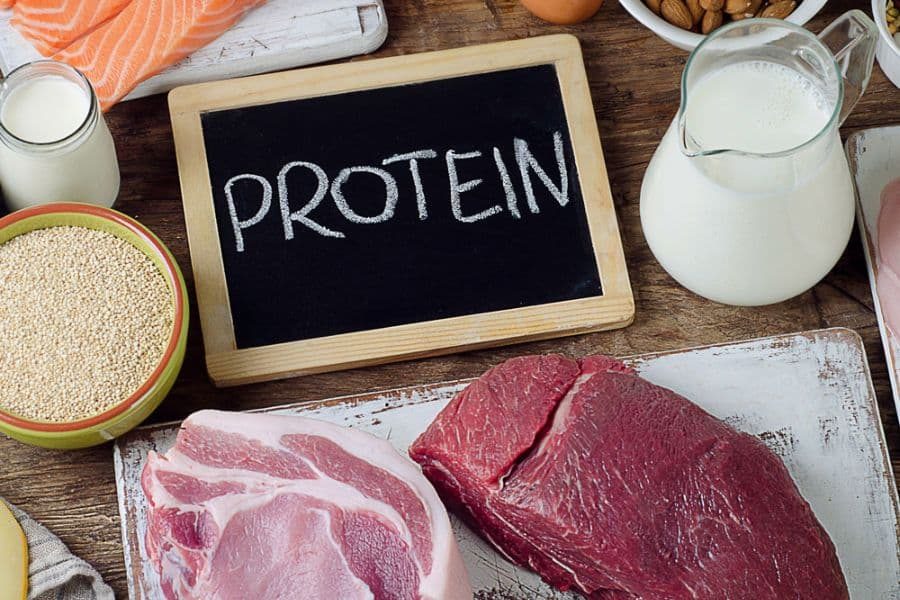
The world of high-protein foods is packed with variety, from juicy steaks to crunchy nuts. Whether you lean toward meat or prefer plant-based meals, there’s something nutritious in store. Here’s a quick look at some foods and their protein punch:
| Food Item | Protein Content |
|---|---|
| Salmon (1 fillet, 178 g) | 39.3 g |
| Beef (3 oz, 85 g) | 21.3 g |
| Tuna (1 can, 107 g) | 20.3 g |
| Tempeh (100 g) | 20.3 g |
| Lentils (1 cup, 198 g) | 17.9 g |
Source: Medical News Today.
Animal-Based Protein Hits
- Salmon: Not just rich in protein, but also gives you a healthy dose of omega-3s. A single fillet packs 39.3 g of protein—perfect if you’re looking to support your muscles and keep your heart ticking nicely.
- Beef: With 21.3 g of protein in a 3-ounce serving, beef is your go-to if bulking up is on your agenda.
- Tuna: Great for a speedy meal—one can offers 20.3 g of protein without much fuss.
Looking for ways to cook these up? Browse our high-protein diet meal ideas section.
Plant-Based Protein Picks
- Tempeh: This soy-based delight serves up about 20.3 g of protein per 100 g. It’s a fantastic option if you’re keeping things vegan or vegetarian.
- Lentils: These little legumes are packed with 17.9 g of protein per cooked cup. They don’t just fill you up; they bring loads of fiber to the table, too.
Explore more plant-based protein plans in our vegetarian high-protein diet article.
Adding these foods to your meals can help you reap the perks of protein—from speedy muscle recovery to easier weight management. Need meal ideas tailored for shedding pounds? Swing by our high-protein diet meal plans for weight loss for inspiration.
Animal-Based Protein Sources
Adding high-protein treats to your meals can do wonders for those muscles and overall wellness. If you’re all about the animal-based goodies, check out these three favorites: salmon, beef, and tuna.
Salmon and How It Packs A Punch
Salmon isn’t just tasty; it’s like the all-star of protein foods! Just one fillet weighing around 178 grams serves up about 39.3 grams of protein. It’s a smart pick for anyone looking to up their protein game. Plus, it’s loaded with omega-3s, those heart-friendly fats that your brain will thank you for.
| Food Item | Serving Size | Protein Content (g) |
|---|---|---|
| Salmon Fillet | 178 g | 39.3 |
Need ideas to get salmon on your plate? Swing by our collection of high-protein diet meal plans for weight loss.
Beef: The Protein Heavyweight
Beef is another protein champion, offering roughly 21.3 grams of protein in just a 3-ounce (85 grams) serving. Whether you’re into steak, a juicy burger, or a roast, beef can be dressed up or down depending on your cravings and diet plans.
| Food Item | Serving Size | Protein Content (g) |
|---|---|---|
| Beef | 85 g | 21.3 |
If you’re bulking up those muscles, beef might be your new best friend. Swing by for more on crafting a high-protein diet plan for muscle gain.
Tuna: The Handy Protein Go-To
For a quick, high-protein bite, you can’t go wrong with tuna. A 107-gram can dishes out around 20.3 grams of protein, perfect for when you’re rushing or need something easy-peasy. Toss it in salads, slap it between bread, or just enjoy it as is!
| Food Item | Serving Size | Protein Content (g) |
|---|---|---|
| Tuna Can | 107 g | 20.3 |
Tuna is the go-to for those trimming down on a high-protein diet for weight loss with its low-calorie, high-protein goodness.
Mix these animal-based protein biggies into your meals and watch your protein intake soar! Discover more about the perks and ins and outs of eating high-protein with articles on high-protein diet benefits and protein and muscle recovery.
Plant-Based Protein Sources
If you’re looking to boost your protein game without touching meat, plant-based goodness is a fantastic way to go. Not only are you making friends with your health, but you’re also keeping it tasty. Let’s chew over some plant-based protein options that you might wanna put on your plate.
Soybean-Derived Tempeh
Ever heard of tempeh? It’s this fab food made from fermented soybeans. Packing 20.3 grams of protein per 100 grams (thanks, Medical News Today), tempeh is like hitting the jackpot for vegans and vegetarians. Besides all that protein, it brings along buddies like iron, calcium, and magnesium.
| Nutrient | Content (per 100g) |
|---|---|
| Protein | 20.3g |
| Iron | 2.7mg |
| Calcium | 111mg |
| Magnesium | 81mg |
Need some inspo for tasty tempeh dishes? Swing by our vegetarian high-protein diet page and feast your eyes.
Protein-Rich Lentils
Lentils are the unsung heroes of the plant world. A cup of cooked lentils (198 grams) sneaks in around 17.9 grams of protein (cheers to Medical News Today) along with a healthy dose of fiber. It’s like your tummy’s best friend, improving digestion and keeping you fuller for longer. Plus, they throw in iron, folate, and manganese to the mix.
| Nutrient | Content (per 1 cup) |
|---|---|
| Protein | 17.9g |
| Fiber | 15.6g |
| Iron | 6.6mg |
| Folate | 358mcg |
| Manganese | 1mg |
Looking for more lentil magic in your meals? Check out our ideas in the high-protein diet meal ideas.
Complete Protein Sources
So here’s the scoop: a lot of plant proteins miss a few amino acids. But no worries, a few champs like quinoa and buckwheat have all nine essential amino acids—just what your body ordered! They’re superstars when it comes to making sure you get the nutrients you need without missing out on flavor.
| Food | Protein (per 100g) | Essential Amino Acids |
|---|---|---|
| Quinoa | 4.4g | All nine |
| Buckwheat | 13.3g | All nine |
Adding these complete proteins to your meals keeps you on your toes health-wise and is a delicious way to stay balanced. Want more tips on blending proteins? Check our guide on high-protein diet and meal prep.
By mixing these plant-based powerhouses into your diet, you’re not just building muscle, but you’re also managing your weight better and keeping those bones happy. If you’re curious about more benefits, our high-protein diet benefits section has got the scoop.
Protein-Rich Nut Options
Nuts are the snack-time MVPs for those wanting a protein kick without reaching for a slab of meat. Let’s chew over some nutty favorites that pack a protein punch, plus a couple of other high-protein heroes to toss into the mix.
Almonds: A Plant-Based Protein
Almonds aren’t just crunchy delights; they’re little powerhouses of plant protein. A handful, about an ounce, gets you 6 grams of protein. And that’s not all—almonds offer 4 grams of fiber in the same serving. This fiber-and-protein duo not only helps with hunger pangs but also keeps you satisfied for hours (Medical News Today). So, toss ’em into your yogurt or morning granola and munch away.
| Nut Type | Protein (grams per ounce) | Fiber (grams per ounce) |
|---|---|---|
| Almonds | 6 | 4 |
| Pistachios | 5.73 | 2.9 |
| Cashews | 4.34 | 0.9 |
Data from Healthline.
Protein in Eggs and Almonds
Ah, the mighty egg—a staple of breakfast tables everywhere. With each large egg providing about 6.3 grams of protein, it’s a go-to for protein seekers (Healthline). Team it up with almonds, and you’ve got yourself a protein-packed meal. Whether you’re scrambling, poaching, or making an omelet, adding a sprinkle of nuts will take your protein game to the next level.
| Food Type | Protein (grams per serving) |
|---|---|
| 1 Large Egg | 6.3 |
| 1 Ounce Almonds | 6 |
Data from Healthline.
Benefits of Cottage Cheese
Cottage cheese might look uninspiring, but don’t judge this book by its cover. A half-cup packs a solid 14 grams of protein, turning any meal into a power meal. It’s not just about the protein—think calcium, B vitamins, and more. This cheese is all about helping those muscles grow and making those diets stick. Pair with a few nuts for a wholesome, tummy-filling snack.
If you’re a fan of tasty, protein-rich diets, check out our article on high-protein diet meal ideas.
Fueling up with these protein-rich picks sets you on the path to meeting your daily protein goals, be it for muscle work, balancing weight, or simply stepping up your health game. For more protein diet wisdom, dig into our articles on high-protein diet benefits and high-protein diet for athletes.
Health Benefits of High-Protein Diets
Adding the top high-protein foods into your meals can shake things up for your health. Here, we’ll chat about how these diets rev up muscle healing and growth, help keep hunger in check for better weight management, and strengthen those bones for the long haul.
Muscle Repair and Growth
Protein is the MVP when it comes to patching up and building your muscles—this fancy business is muscle protein synthesis (MPS). After breaking a sweat, chomping down on some protein kicks MPS into gear, rebuilding and adding more muscle. Throw in some weights or push-ups, and you’re on your way to bulking up like a champ (Sanford Sports).
| What Protein Does for Muscles | Facts |
|---|---|
| Build Them Up | High protein means bigger, stronger muscles (Healthline) |
| Bounce Back Fast | Less soreness so you can get back at it sooner (Sanford Sports) |
If you’re all about building muscles, dive into our high-protein diet plan for muscle gain.
Appetite Management and Weight Loss
Protein is your buddy when you’re trying to manage hunger and drop some pounds. High-protein foods keep you feeling stuffed for longer stretches, which means you’re less likely to reach for those sneaky snacks.
Research shows that protein messes with hunger hormones like ghrelin but ramps up those who make you feel full like peptide YY and GLP-1. This switch reduces hunger pangs and cravings, making cutting calories less of a battle, which is the secret sauce for losing weight (Healthline).
For more tidbits and strategies, venture into our guides on high-protein diet meal plans for weight loss and high-protein diet for weight loss.
Bone Health and Longevity
Forget the naysayers claiming protein is bad for your bones, especially animal-based ones. New research sings a different tune. Eating protein is essential for keeping your bones in tip-top shape and reducing nasty risks like osteoporosis and fractures as you age.
Folks who chow down on more protein typically enjoy stronger bones and dodge those pesky age-related bone troubles (Healthline). This rings true for both munching on animal and plant-based proteins, as long as you’re getting those important amino acids in (Better Health Victoria).
Get more scoop on how protein promotes bone health and keeps you spry in our reads on high-protein diet benefits and high-protein diet and anti-aging.
Revamp your diet with a good mix of animal and plant proteins to nab all those amino acids and reap the muscle, weight, and bone benefits. For more fresh ideas on workin’ high-protein munchies into your daily diet, peek at our high-protein diet meal ideas.
Considerations for Protein Intake
Protein and Muscle Recovery
Protein’s your muscle’s best buddy when it comes to bouncing back after those workouts! Eating something loaded with protein before you hit the gym pumps up muscle protein synthesis, which basically means it helps your muscles grow and mend after all that hard work. And let’s not skip the protein snack after your session—super important for patching up and rebuilding those muscles (Sanford Sports). For tasty tips on how to sneak in more protein, take a peek at our piece on high-protein diet and muscle recovery.
| Timing | Protein Source | Protein Content |
|---|---|---|
| Pre-Workout | Greek Yogurt | 10g per 4 oz |
| Post-Workout | Grilled Chicken | 25g per 3 oz |
Metabolism Boost and Calorie Burn
Want to turn your body into a calorie-torching machine? Up your protein game! It’s like adding a turbo to your metabolism, making your body burn up more calories. Protein takes more work for your body to burn than fats or carbs do. Some folks on high-protein plans burn up to 260 extra calories a day—it’s like sneaking in an hour of moderate exercise without breaking a sweat (Healthline). Handy stuff if you’re watching your weight or checking out high-protein diet meal plans for weight loss.
| Macronutrient | Thermic Effect (%) |
|---|---|
| Protein | 20-30 |
| Carbohydrates | 5-10 |
| Fats | 0-3 |
Plant-Based vs. Animal-Based Proteins
Choosing between plant good stuff and the carnivore club isn’t always a walk in the park. Each has its quirks—the good, the bad, and the tasty:
Plant-Based Proteins:
- Upside? Usually light on saturated fats, heavy on fiber, and kinder on the planet.
- Downside? Might need to mix and match to get all those amino acids, and not always as easily absorbed.
| Plant-Based Protein | Protein Content |
|---|---|
| Lentils | 18g per cup |
| Tempeh | 31g per cup |
| Almonds | 6g per oz |
For more plant power info, pop over to our article on vegetarian high-protein diet.
Animal-Based Proteins:
- Pros: Packs a punch with all essential amino acids and usually absorbed better.
- Cons: Sometimes higher on the fatty side and not the eco-friendliest.
| Animal-Based Protein | Protein Content |
|---|---|
| Salmon | 22g per 3 oz |
| Beef | 24g per 3 oz |
| Tuna | 25g per can |
Knowing this stuff makes picking what’s right for you and your diet a breeze! Plant or meat, a high-protein diet can have you covered, keeping muscles spruced up, metabolism humming, and your health on point. Dive into the good stuff over at our article on high-protein diet benefits.