
Understanding High-Protein Diets
Let’s talk about living on the meatier side of life and figure out how to get the best out of a high-protein diet, especially for folks looking to bounce back faster from workouts or get some muscle on those bones. There’s some good stuff, but also a few things to watch out for.
Importance of Protein Intake
Protein isn’t just for bodybuilders; it’s the behind-the-scenes hero in a bunch of things your body does every day. If you’re pumping iron or just trying to keep fit, getting enough protein is a big deal for helping your muscles fix up and grow bigger (PubMed). Loads of people push high-protein diets to get stronger, lose weight, or just feel good (PubMed). Keep your eye on that protein number to make sure you’re getting the most out of those sweat sessions.
- Muscle Repair and Growth: Your muscles get a bit beat up when you exercise, and protein helps them patch up.
- Weight Loss Benefits: Eating more protein can keep hunger at bay, making it easier to manage your waistline.
- Enhanced Recovery: Getting enough protein could mean you bounce back quicker after your next workout.
| Activity Level | Recommended Protein Intake (g/kg body weight) |
|---|---|
| Couch Potato | 0.8 |
| Middle-of-the-Roader | 1.2 |
| Gym Enthusiast | 1.4 – 2.0 |
Potential Risks of High-Protein Diets
Sure, protein’s got its charms, but going overboard isn’t all sunshine and rainbows. Too much of it for too long can mess with your health, so it’s about finding that sweet spot.
- Kidney Drama: Loading up on protein can be tough on your kidneys, especially if they’re already giving you grief (PubMed).
- Bone Health: Eating too much protein over time might chip away at your bone strength (PubMed).
- Bathroom Struggles: If your plate’s packed with protein but no fiber, you might be seeing less of the bathroom—add some veggies! (Healthline).
- Weight Gain Woes: While protein can help trim you down, go nuts with it, and it might stick around as fat.
- Drying Out: A high-protein haul can leave you thirsty, so keep the water coming to avoid drying out (Healthline).
| Potential Risk | Description |
|---|---|
| Kidney Drama | Can strain kidneys, especially in those with preexisting conditions |
| Bone Health | Long-term high-protein intake may lead to bone mineral density reduction |
| Bathroom Struggles | Low fiber intake in high-protein diets can cause digestive issues |
| Weight Gain Woes | Excess protein can be stored as fat, leading to weight gain |
| Drying Out | High-protein diets increase fluid needs; regular water consumption is key |
For more juicy details on high-protein benefits or tips on how to kick-start your protein adventures, check out our extra reads.
Tackling a high-protein diet can feel like wrangling a beast, but with some know-how, you can enjoy the perks while sidestepping the pitfalls. Don’t forget to have a chat with a healthcare pro before doing the deep dive into a big diet shakeup.
Protein and Exercise
Alright, let’s get real. To make the most out of your workouts and bounce back like a champ, you gotta know what protein can do for you. Here, we’ll spell out what people who hustle hard need from protein, how it helps you recover, and why timing that protein like a Swiss clock matters.
Protein Needs for Active Individuals
You’re running on all cylinders, bustin’ moves in the gym — so naturally, your body craves more protein than a couch potato would. If you’re pushing your limits, you need between 1.4-2 grams of protein per kilo of body weight each day. This helps with patching yourself up, keeping you from getting sick, and holding onto those muscles you’ve been working so hard to build.
| Activity Level | Protein Intake (g/kg/day) |
|---|---|
| Sedentary Person | 0.8 |
| Moderate Activity | 1.0 – 1.4 |
| Intense Training | 1.4 – 2.0 |
Filling up on protein can be a culinary adventure. Check out the high-protein diet for athletes or dive into our list of best high-protein foods if you need some mouth-watering ideas.
Role of Protein in Recovery
When you’ve hit it hard, your muscles are practically calling out for some love. Protein steps in as your muscle magician, assisting in muscle growth and fixing those micro-tears. For best results post-workout, aim for about 0.2–0.5 grams of protein per kilo of body weight. It’s like sprinkling magic dust on your muscles!
| Body Weight (kg) | Recommended Protein Intake Post-Exercise (g) |
|---|---|
| 50 | 10 – 25 |
| 70 | 14 – 35 |
| 90 | 18 – 45 |
Think of protein as your gym buddy—take it along before, during, and after your sweat session. It helps your muscles, boosts your immune system, and you don’t lose that hard-earned muscle. Hop over to our high-protein diet and muscle recovery guide for more details.
Timing of Protein Intake
Hitting the protein jackpot at the right time can turbocharge your recovery and muscle gains. Timing it around your workout – before you start, while you’re in the zone, and once you’ve cooled down – ensures your muscles are never left hanging.
To put the cherry on top, shoot for:
- Pre-Workout: A nibble of protein before you jump into action can push performance and stamina up a notch.
- During Workout: Protein sips during your routine? Yep, that keeps muscle boosting in gear.
- Post-Workout: Slam down that protein fix within an hour after you’re done, and let the muscle magic happen.
Aiming for about 0.25-0.5 grams per kilo spread across your day gives your body the consistent fuel it needs. Here’s how it might look for someone tipping the scales at 70 kg:
| Timing | Protein Intake (g) |
|---|---|
| Pre-Workout Meal (1 hour before) | 14 – 35 |
| During Workout | 12 – 18 |
| Post-Workout Shake | 14 – 35 |
| Evening Meal | 14 – 35 |
Curious about shakes or considering a boost from protein supplements? Our rundown on protein supplements for athletes will steer you right.
Getting your protein game on is a must if you wanna slay in performance and recovery. For tasty ways to beef up your meals, peek at our guide on high-protein diet meal ideas to keep things yummy and nutritious.
Sources of Protein
You want a high-protein diet? We’ve got you covered on that front. Let’s break down where you can find those muscle-loving protein goodies and what makes them tick. We’ll chat about animal vs. plant proteins and why it matters if they’re complete or incomplete.
Animal vs. Plant Proteins
Animal proteins and plant proteins both bring something tasty to the table. Here’s the scoop on what each has to offer:
Animal Proteins
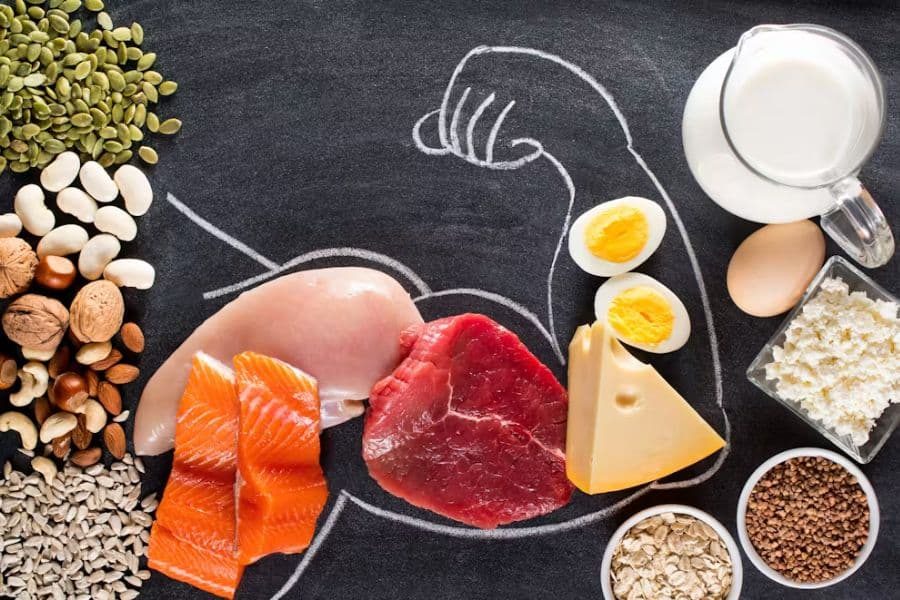
Animal proteins are like the VIPs in the protein world. They pack all those essential amino acids you crave. Your go-to stars like dairy, fish, meat, and eggs are real team players when it comes to building and fixing those muscles of yours (PubMed). Beef, in particular, is your post-workout buddy, helping boost your muscle protein synthesis better than some of its plant buddies.
| Source | Protein (g) per 100g |
|---|---|
| Chicken Breast | 31 |
| Beef | 26 |
| Eggs | 13 |
| Fish | 22 |
Plant Proteins
Plant proteins might not have all the amino acids in one neat package, but don’t count them out. They can totally hang with the cool crowd, especially when you mix them up for the full amino party. That’s right, even vegans can cash in on muscle recovery with good ol’ pea protein (Clif Bar).
| Source | Protein (g) per 100g |
|---|---|
| Lentils | 9 |
| Chickpeas | 19 |
| Soybeans | 36 |
| Quinoa | 4 |
Mix and match those plant-based delights to make sure you’re stocked up on amino acids for muscle recovery.
Complete vs. Incomplete Proteins
Grasping the whole complete vs. incomplete protein thing is like unlocking a powerhouse for tweaking your high-protein diet plan for muscle gain.
Complete Proteins
Complete proteins are the all-stars, loaded with all nine essential amino acids you can’t make yourself. You’ll find ’em in animal products and a few honorary members like soy:
- Meat (Beef, Chicken, Fish)
- Dairy (Milk, Cheese, Yogurt)
- Eggs
- Soy (Soybeans, Tofu)
Eating these powerhouse proteins ensures you’ve got the amino arsenal for muscle growth and repair.
Incomplete Proteins
Incomplete proteins miss a few amino marks. They’re mostly hanging around in plants:
- Vegetables (Broccoli, Spinach)
- Grains (Rice, Oats)
- Nuts and Seeds (Almonds, Chia Seeds)
To fill in those amino gaps, pair up your proteins. Teaming up rice and beans complements their weak spots, making a complete protein on your plate.
| Food Combo | Essential Amino Acids |
|---|---|
| Rice + Beans | Complete Protein |
| Hummus + Pita Bread | Complete Protein |
| Lentils + Quinoa | Complete Protein |
Cracking these protein puzzles helps you rock your high-protein diet meal plans for weight loss or muscle gain from top to bottom. For more protein-packed finds, scope out our best high-protein foods.
Protein Intake and Muscle Health
Muscle Repair and Growth
Let’s cut to the chase—protein is your muscles’ best buddy when it comes to repair and growth. Picture this: every time you’re lifting weights or hitting a cardio session, your muscles get tiny little tears. It’s not as scary as it sounds, because this is where protein swoops in to save the day. It’s your body’s answer to patching up those tears, beefing up your muscles for the next exercise round (Clif Bar).
Whether it’s steak or tofu, both animal and plant-based proteins bring home the amino acids your muscles crave. Mix it up with some high-protein foods in your meals to keep things balanced. For athletes, loading up on protein isn’t just about bouncing back from workouts; it takes your muscle game to a whole new level.
How much protein does your lifestyle need? Here’s the scoop:
| Activity Level | Daily Protein Intake (g/kg of BW) |
|---|---|
| Couch Potato | 0.8 |
| On-the-Go | 1.2 – 1.6 |
| Gym Buff | Up to 2.0 |
Protein Synthesis Post-Exercise
Post-workout munching isn’t just about filling up; it’s about kickstarting muscle repair. There’s this magic time right after you’ve been sweating it out—a.k.a. the “anabolic window.” Your muscles, hungry as ever, lap up protein like it’s nobody’s business. Down a protein-packed meal within the first three hours after your gym session, and you’re golden. Muscles repaired and ready for action (NASM).
Pairing up carbs with protein post-exercise does wonders too. It knocks down muscle breakdown and refuels your energy, thanks to replenished glycogen stores.
Here’s how to time it right:
| Time Post-Exercise | Ideal Nutrient Intake |
|---|---|
| 0-30 minutes | A quick whey shake and banana |
| 30 minutes – 1 hour | Chicken with some sweet potato |
| 1-2 hours | Quinoa, black beans, and some greens |
| 2-3 hours | Greek yogurt with berries |
Thinking about upping your protein game? Sneak a peek at our high-protein diet meal ideas for some tasty inspiration.
Packing those proteins into your diet isn’t just a repair job for muscles. It’s the secret sauce for overall muscle well-being. For those always on the move, knowing the ins and outs of when and how much protein to munch can change your game. Dive deeper with our guide on a high-protein diet plan for muscle gain—your muscles will thank you later.
Optimal Protein Consumption
Let’s talk about protein—the magic ingredient for muscle recovery and getting buff! If you’ve ever wondered how much protein you really need or whether those pricey supplements are worth it, we’ve got the scoop for you.
Recommended Protein Intake Levels
So, you’re into working out and want more muscle… how much protein should you chow down? Experts say you should be munching on about 1.2 to 2.0 grams of protein per kilogram of your body weight every day. Yeah, it’s a bit more than the usual recommendation, but that’s what will fuel those muscles. Check out this cheat sheet to see what suits you:
| Activity Level | Protein Intake (g/kg/d) |
|---|---|
| Couch Potato | 0.8 |
| Just Moving Around | 1.2 – 2.0 |
| Pumping Iron | 1.6 – 2.0 |
| Pro Athlete | 2.0 |
When you’re really pushing yourself, aiming for about 2.0 grams per kg of body weight can do wonders for your muscles. It’s like giving them a first-class ticket to recovery town. Oh, and spreading your protein intake over four meals with about 0.25-0.5 grams per kilogram at each meal is like teaching your muscles to grow stronger every day. Now that’s smart eating!
Protein Supplements for Athletes
Feeling like your protein diet is pretty solid but need a little extra kick? Supplements might be your new best friend. They’re a quick and easy way to get some quality protein, especially after you’ve been busting your butt at the gym.
-
Whey Protein: Your fast-absorbing buddy that’s all about quick gains. It’s packed with leucine – think muscle food!
-
Casein Protein: The slow and steady friend that’ll keep you fueled for longer, even when you’re catching Zs.
-
Plant-Based Proteins: Let’s not forget our vegan pals! Pea, rice, or soy proteins are fantastic alternatives for those avoiding dairy.
Here’s a quick look at what each type of supplement packs per serving:
| Protein Type | Protein Content Per Serving (g) |
|---|---|
| Whey Protein | 20 – 30 |
| Casein Protein | 20 – 25 |
| Soy Protein | 15 – 20 |
| Pea Protein | 15 – 20 |
But remember, don’t let supplements hog the spotlight. They should tag along with whole foods—not replace them. It’s all about balance and what works for you.
Going big on protein isn’t just about gobbling down meat and shakes; balance is crucial, y’all. Along with protein, make sure you’re getting some good carbs and healthy fats. Your body will thank you for it! Need meal inspiration? Check out our meal ideas and plans for no-nonsense nutrition.
Pump Up Your Recovery with Protein
Post-Workout Protein Tips
So, you just crushed your workout? Well, don’t just let your muscles sulk—feed ’em right! To help those tired muscles bounce back, make sure you grab some protein pretty quick. Experts say munching on 0.2–0.5 grams of protein per kilo of your body weight right after you finish exercising can work wonders for muscle building (Clif Bar). Timing’s key here, as it refuels your tank and amps up muscle repair. Best plan? Get that protein in ya within half an hour of sweating it out.
For active folks, about 10–20% of your day’s calories should come from protein. Athletes? You might gobble up 1.2 to 2 grams per kilo each day.
| Individual Type | Protein Intake (g/kg) |
|---|---|
| Couch Warriors | 0.8–1.0 |
| Mover ‘n’ Shaker | 1.2–1.6 |
| Sports Junkies | 1.8–2.0 |
If you’re curious about how to beef up your protein game, hop over to our article on high-protein diet plan for muscle gain.
Carbs and Protein: The Dream Team
Mixing up carbs with protein after your sweat session? That’s a recovery super duo right there! A combo of 3:1 or 4:1 (carbs to protein) hits the jackpot for filling up your energy reserves and speeding up muscle recovery (Clif Bar). This power mix fuels up muscles and patches ’em up real nice.
High-quality proteins that are easy to digest and packed with all the good amino acids are top picks. Your all-stars here are dairy, fish, meat, eggs, soy, whey, and plant staples like pea protein (Clif Bar).
Winning Recovery Meal
- Protein Shake: 25g of whey power.
- Banana: 27g of sweet carbs.
- Greek Yogurt: 10g of protein joy and 12g of carbs.
Got a craving for more protein options? Peek at our posts on best high-protein foods and high-protein diet for women.
Sticking to these tips after you’ve worked out will shower your body with the nutrients it craves for muscle repair and growth. Hungry for more protein hacks? Wander through our halls on high-protein diet benefits and high-protein diet meal plans for weight loss.