

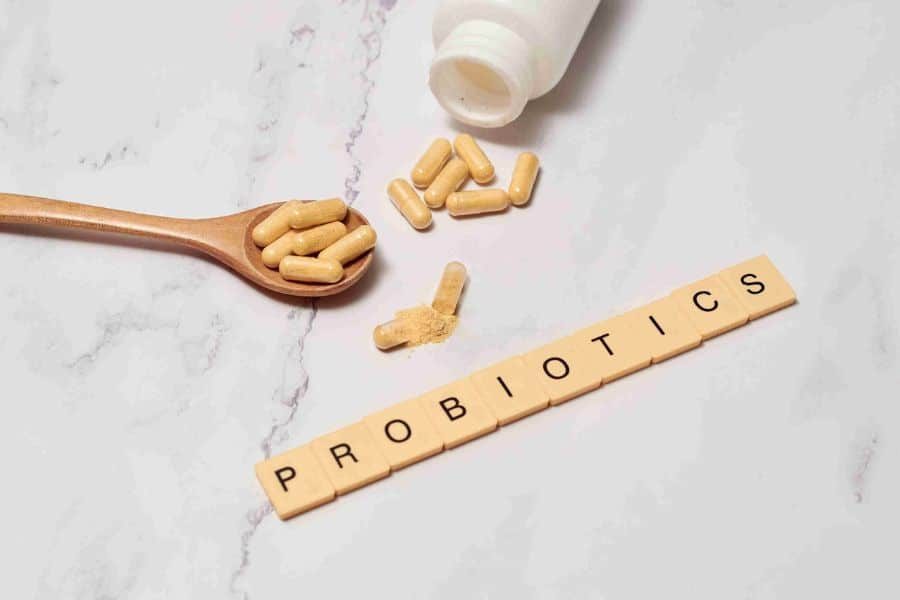
Understanding Probiotics and Acne
Gut Health and Skin
When things go haywire in your gut, it can show up on your face too. This imbalance, called dysbiosis, can be behind skin woes like acne, rosacea, eczema, and even those annoying early wrinkles. Basically, if your gut gets out of whack, it can stir up inflammation and stress, leaving your skin’s natural defense looking worse for wear.
Here’s where probiotics, or those little helpers known as “good bacteria,” come into play. They work to get your gut back on track, giving your skin a fighting chance to stay clear and bright from the inside out. This little boost can make a noticeable difference when you’re dealing with acne and other skin troubles. Want the full scoop on keeping your gut in check? Check out our info on probiotics for gut health.
Impact of Probiotics on Acne
Probiotics are like a reboot for your gut’s ecosystem. Your doc might suggest them if you’re having gut dramas or just finished a round of antibiotics that left your system a bit outta sync.
Here’s a nugget of info: high milk intake and foods that cause dramatic spikes in blood sugar can hike up your levels of insulin-like growth factor-1 (IGF-1), which may fuel certain health issues, including those pesky pimples. Probiotics can step in to cool that inflammation and excess oil that triggers acne.
| Use of Probiotics | Percentage of U.S. Population |
|---|---|
| Adults (2012) | 1.6% |
| Kids (ages 4-17, 2012) | 0.5% |
Seeing more folks popping probiotics? You’re not alone! Back in 2012, 1.6% of U.S. adults had given probiotics or prebiotics a whirl in the previous month, making them the third favorite dietary supplement after vitamins and minerals. And from 2007 to 2012, adult usage shot up four times. Even kiddos—around 300,000 aged 4 to 17—got into the probiotic game in that month-long period.
Looking to dig deeper into how probiotics can boost your complexion? Dive into our article on probiotics for skin.
How Probiotics Benefit Skin
Balancing Gut Microbiome
Your gut’s health has a surprising role in how your skin looks and feels. When chaos erupts in your belly due to an imbalance in your gut bacteria, issues like acne, rosacea, eczema, and even early aging can pop up. Just like a good friend adds harmony to your life, probiotics – the friendly bacteria – keep your gut peaceful. Restoring this peace not only helps you tackle those pesky skin problems but also leaves your skin glowing.
Doctors often turn to antibiotics for stubborn acne, but these can deplete the friendly bacteria in your digestive system, throwing it out of whack. Probiotics like Acidophilus (L. acidophilus) help bring back that harmony in various body areas, from your belly to your lungs and beyond.
| Probiotic Type | Example | Location in Body | Primary Function |
|---|---|---|---|
| L. acidophilus | Acidophilus | Gut, stomach, lungs, lady bits, urinary pathways | Brings balance to microbiomes |
Curious about more probiotic wonders? Read our detailed take on probiotics for gut health.
Reducing Skin Inflammation
An out-of-whack gut can crank up inflammation, which spells trouble for your skin. Probiotics chill out these fiery responses in your body. Making probiotics a regular part of your day helps dial down inflammation, putting acne outbreaks on notice.
Strains like Lactobacillus and Bifidobacterium are the peacekeepers, taking down inflammation and giving your skin a nice, clear upgrade by reducing oxidative stress, a core villain in inflammation. Want to dig into different probiotic types and what they do? Don’t miss our best probiotics supplements page.
Enhancing Skin Barrier
Keeping your skin’s defenses strong is key to staying blemish-free and looking your best. Probiotics are like a sturdy wall defending this barrier. By nurturing your gut’s microbiome, probiotics bolster your skin’s natural defenses, which means you’ll hold onto moisture better, and battle fewer flare-ups.
These beneficial bugs patch up the gut wall, blocking bad stuff from making its way into your bloodstream and causing skin mayhem. They also tighten up the gut lining, enhancing your skin’s ability to repel attacks from dryness and irritants.
Explore more on how probiotics fortify skin health with our in-depth guide on probiotics for skin.
By adding probiotics to your routine, you’re not just aiding your gut but also boosting your skin’s overall health—less inflammation, tighter barriers, and a winning complexion. Ready for more? Dive into our reads on probiotics for eczema and probiotics for babies.
Probiotics for Zapping Zits
How They Work
Probiotics, those little “good bacteria” pals, are gaining some street cred for tackling pimples. They throw a wrench in P. acnes—the pesky bacteria causing breakouts—by busting out antibacterial proteins, making your skin a less fun place for acne to hang out. Some strains, like Streptococcus salivarius, are total rockstars in keeping those microbes in check.
These tiny powerhouses also calm your immune system, which dials back the redness and inflammation making breakouts worse. They keep your gut healthy, which surprisingly helps your skin, too. When your insides are happy, it’s harder for inflammation to rear its ugly head and make your skin act up.
And let’s not forget, probiotics might also be your skin’s pH hero while tackling the nasty oxidative stress—think skin damage and early wrinkles. No one wants that!
Actually Doing Something?
So what do the clinical studies say? Probiotics seem to be the real deal for acne. Whether you slather them on topically or pop a pill, they show promise. Clinical snoozefests—I mean trials—say they reduce those annoying pimples and even chill out the redness compared to good ol’ placebos.
In one study, probiotics (swallowed or rubbed on) also seemed to boost collagen and keep your skin nice and hydrated. Sounds like a pretty sweet alternative to prescriptions, right? Here’s a simple table of what studies found:
| Study | Probiotic Form | Doing Good? |
|---|---|---|
| PMC5418745 | Skin & Pill | Fewer spots, less red |
| PMC8953587 | Topical Wonder | More collagen, more moisture |
| NCCIH | Pill Pals | Happy gut, less inflammation |
Probiotics aren’t just for pimples either. They’ve got their hands in lots of health goings-on, like probiotics for infants, probiotics for women, and even gut health.
With more folks singing their praises, giving probiotics a whirl in your skin routine—or just munching them—might take your acne game up a notch. But hey, don’t just be a rogue and self-prescribe. Chat with a doc to make sure it’s all good in your specific hood. If you’re curious about more probiotic scoop, check out probiotics for men and best probiotics supplements.
Types of Probiotics for Acne
Picking the right kind of probiotics could really make a difference in clearing up your skin. There’s a lot of different types out there that can offer specific perks. Let’s dive into some of the big players: Streptococcus salivarius, Lactobacillus rhamnosus, and Bifidobacterium breve.
Streptococcus salivarius
Consider Streptococcus salivarius your skin’s potential new buddy in the fight against acne. This little helper might boost your skin’s barrier and chill out inflammation. It’s got a knack for popping the bubble of Propionibacterium acnes, the sneaky bacteria causing those breakouts (PubMed Central). Think of it as applying the brakes on irritated skin and cutting down those pesky spots.
Lactobacillus rhamnosus
Next, we got Lactobacillus rhamnosus. When Lactobacillus rhamnosus SP1 found its way into a diet plan, there was a noted 32% drop in acne woes (The Secret Life of Skin). The magic with this strain is how it balances the skin’s response to insulin, which is a win-win for adult acne (Fiona Lawson Nutrition).
Here’s a bit of what Lactobacillus rhamnosus can do:
- Shields the skin barrier
- Boosts gut health, which in turn can make the skin happier
For a deeper dive on picking the right products, check out our insights on probiotics for skin.
Bifidobacterium breve
Then there’s Bifidobacterium breve, a powerhouse known for dousing inflammation and jazzing up skin health. A peek into a study with 114 folks dealing with mild to moderate acne showed a combo of Bifidobacterium breve and friends led to a 40% decline in superficial inflammatory mishaps over 8 weeks.
Here’s a quick breakdown:
| Probiotic Strain | Acne Drop | Time |
|---|---|---|
| Lactobacillus rhamnosus | 32% | 12 weeks |
| Bifidobacterium breve (mix) | 40% | 8 weeks |
| Placebo Varieties | 10% | 8 weeks |
This snapshot shows how much these strains can trim down acne over different stretches. Teaming Bifidobacterium breve with others might just pump up its skin-clearing prowess.
Wrapping up these probiotics gives you the lowdown to spice up your skin game. Toss in some lifestyle tweaks like a balanced menu, and you’re looking at smoother sails for your complexion. Discover more on linking diet to gut vibes in our piece on probiotics for gut health.
Adding Probiotics to Your Skincare Routine
Curious about how probiotics might help with acne? Adding them to your skincare routine might just be the move you need. Here’s a breakdown of rubbing in these little helpers and the types of cosmetics that come packed with them.
Slather on Some Probiotics
Imagine slapping some yogurt on your face, but it’s actually fancy creams, serums, and sprays stuffed with tiny live bugs that are good for your skin – that’s the deal with topical probiotics. These critters, like lactobacilli, can tone down angry skin and keep it chill. They cuddle up to your skin cells and encourage them to cool the fiery redness and irritation (Cureus).
Check out the wonder-worker from S-Biomedic. Their AO+ Restorative Mist with Nitrosomonas eutropha gives a whopping 90% improvement in acne (The Secret Life of Skin). Also swinging into action are skin strains CA-31 and CA-81, aka CutilModulis, reducing redness like a pro in a glam test (The Secret Life of Skin).
| Product | Live Bugs | Wow Factor |
|---|---|---|
| AO+ Restorative Mist | Nitrosomonas eutropha | 90% acne reduction |
| CutilModulis | CA-31, CA-81 | Less redness & fewer breakout bruisers |
Probiotic-Packed Cosmetics
Why stop at just one product? There’s a kit full of beauty magic with probiotics. They team up with soothing ingredients to kick zits to the curb more effectively.
What to snag? Peep for products boasting power strains like Streptococcus salivarius, Lactobacillus rhamnosus, and Bifidobacterium breve. The skin will thank you.
And if you’re on a research spree, continue the learning binge with our pieces on probiotics benefits and probiotics for skin.
Need something for everyone in the household? Tailored microbe cocktails are there for:
- Probiotics for women
- Probiotics for men
- Probiotics for kids
- Probiotics for infants
- Probiotics for babies
Adding probiotics to your skincare game plan can transform your skin from blah to fabulous. With topical magic and microbe-infused products, you’ll be on your way to a pimple-free glow that even your mirror will want in on.
Lifestyle Factors and Acne
Your lifestyle choices can have a surprising impact on skin conditions like acne. Let’s take a closer look at how what you eat and your gut health might be causing those pesky breakouts.
Role of Diet
What you munch on can show up on your face. Studies link dairy products with acne because they can jack up insulin levels and cause inflammation, which then leads to those unwanted spots. Gobbling down foods high in sugar or processed carbs also takes a toll by sending insulin skyrocketing and adding to the inflammation.
| Food Type | Effect on Acne |
|---|---|
| Dairy Products | Fuels inflammation |
| High-Sugar Foods (e.g., white bread, candy) | Launches insulin, worsens acne |
| Saturated Fats (e.g., fries, burgers, cheese) | Ups IGF-1, triggering acne |
| Polyunsaturated Fats (e.g., veg oils, almonds) | Calms inflammation |
A cool find from South Korea spotted that people with acne consumed more junk food and sugary drinks. Meanwhile, those with clear skin loaded up on veggies and fish.
If you’re thinking about changing what you eat, check out the perks of probiotics benefits. Adding probiotics like the stuff in yogurt could be your new skin-saving step.
Link to Gut Health
Getting to know your gut is key, especially when it comes to skin. When the good and bad bugs in your gut tip the wrong way (they call it dysbiosis), your body’s defenses might go haywire, causing inflammation and helping acne set up camp on your skin (Optibac Probiotics).
Probiotics are your gut’s best friend. They can bring back harmony, tamp down swelling, and boost healthy skin. For more deets, swing by our pieces on probiotics for gut health, probiotics for digestion, and probiotics for bloating to see how they can keep your gut, and skin, happy.
To wrap it up, packing your meals with greens, ditching sugary snacks, and chilling on the dairy, alongside nurturing your gut with probiotics, can do wonders for managing acne. This method not only brightens your skin but also ups your overall vibe. Making probiotics part of your daily routine could be the game-changer for a fresher, smoother complexion.