
The Benefits of Plant-Based Protein Powders
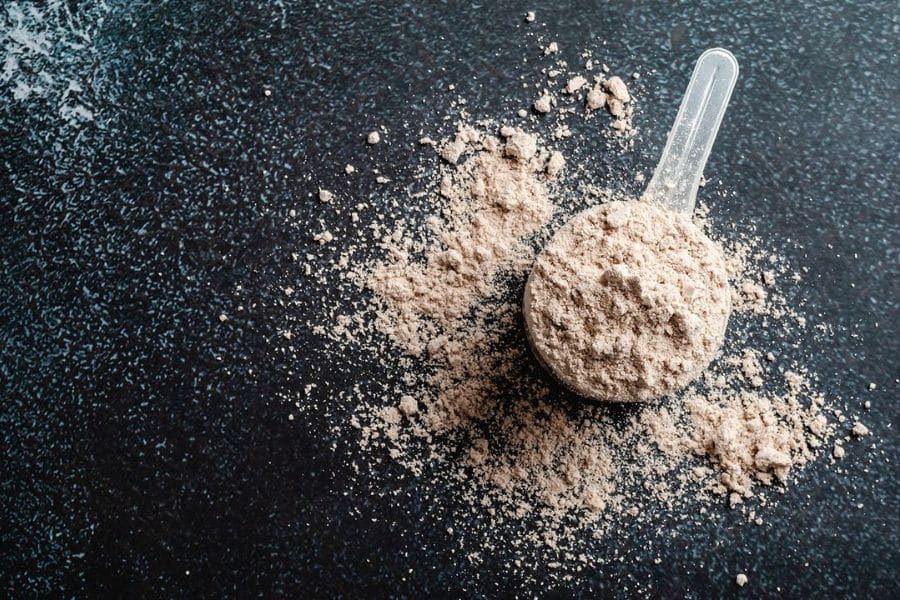
So, you’re thinking about hopping on the plant-based protein train, huh? Welcome aboard! These powders aren’t just another health fad — they’re packed with perks that hit the sweet spot for all sorts of diets and health dreams.
Health Advantages of Vegan Proteins
Vegan protein powders are like the Swiss Army knives of nutrition. They do it all — from pumping you up for muscle gain, helping shed those extra pounds, to just making you feel good on the inside. Here’s why you might wanna consider them:
-
Friendly on Calories and Fat: Unlike your typical burger, plant proteins won’t weigh you down with calories and fat. They’re perfect if you’ve got your sights on trimming that waistline (Vegan Grit).
-
Fiber-Packed: These bad boys have fiber for days, helping with digestion and keeping you satisfied. It’s like having a secret weapon in the battle of bulge.
-
Gentle on the Belly: If milk and gluten make your tummy feel like it’s riding a rollercoaster, plant proteins are a safe bet. They’re easier to handle for the lactose or gluten-sensitive crowd. If you’ve got a finicky stomach, look no further for lactose-friendly options.
-
Nutritious Nuggets: Loaded with vitamins and minerals, they’re the complete package for overall health. Smart folks have done studies showing plant-power helps lower blood pressure, slashes cholesterol, and even keeps things like heart disease and diabetes at bay (Healthline).
For all the gym buffs out there, plant-based proteins can flex just as hard as animal proteins when it comes to muscle building. Don’t believe me? Dive into the specifics in our piece on muscle-loving powders.
Sources of Plant-Based Proteins
Now, let’s talk sources. These powders come from all sorts of plants, each bringing its own goodies. Here’s the lowdown:
| Protein Source | Perks |
|---|---|
| Pea Protein | Made from yellow peas, it’s packed with essential amino acids, perfect for bulking up (Vegan Grit). Stacks up well against stuff like whey protein. |
| Rice Protein | Vegan, hypoallergenic, easy to digest. If soy or dairy is a no-go for you, this one’s it! |
| Hemp Protein | Full of omega-3s and omega-6s for a healthy heart, plus fiber and key amino acids for the win. Best for a balanced lifestyle. |
| Soy Protein | This complete protein has all the essential amino acids and is a champ for muscle repair and growth. Ideal if you’re into muscle recovery. |
With so many options, finding plant-based proteins that match your taste and goals is a cinch. For an in-depth guide about picking your perfect protein, read up on choices for vegetarians.
Knowing the perks and choices of plant-based proteins helps you make the right pick for keeping your health and fitness journey on track. Whether you’re shooting for more muscle, slimming down, or supercharging your diet, plant-based protein powders have your back. For even more tips and tricks, browse through our articles on growing muscles with protein powders and the overall joys of protein.
Different Types of Plant-Based Protein Powders
Hey there, protein enthusiast or curious eater! Thinking about giving your diet a protein bump without venturing into the meaty territory? There are plenty of plant-based protein powders that’ll give your meals that extra oomph without compromising your principles. Buckle up, and let’s see what type suits your needs best.
Pea Protein Powder
First up is the not-so-humble pea protein. Made from yellow peas, it’s a sweet spot for those pumped about muscle growth or just plain ol’ health. Packed with amino acids, especially leucine, this protein powder is like hitting the gym without moving a muscle. Athletes and fitness buffs often swear by it to help bounce back post-workout and put a damper on muscle damage (source).
| Nutrient | Amount (per serving) |
|---|---|
| Protein | 20-25g |
| Carbs | 1-2g |
| Fiber | 5g |
| Iron | 5mg |
Curious about throwing vegan protein powder into more meals? Check out our guide for vegetarian protein powder tips.
Rice Protein Powder
Next on the stand, we’ve got rice protein. Think gentle giant. Made usually from brown rice, this hypoallergenic powder is high-five-worthy for those with tummy or dietary issues. It’s a smooth operator on your stomach but does have a bit of a lysine shortfall (source).
| Nutrient | Amount (per serving) |
|---|---|
| Protein | 15-20g |
| Carbs | 2-4g |
| Fiber | 3-4g |
| Lysine | 1.5g |
If you’re after a protein powder that won’t give your stomach grief, mosey on over to our resources for lactose intolerant folks.
Hemp Protein Powder
Get ready for hemp, man. This protein comes from ground hemp seeds and is more than just protein-rich; it’s packed with omega-3 and omega-6 fatty acids, too. Your heart and joints will thank you later (source).
| Nutrient | Amount (per serving) |
|---|---|
| Protein | 15-20g |
| Carbs | 9-12g |
| Fiber | 8g |
| Omega-3 | 1g |
Looking for a protein that does a bit of everything? Hemp’s your pal. Dive into our smoothie protein guide for delicious tips.
Soy Protein Powder
Soy protein’s up next, known for its rock-solid amino acid lineup thanks to defatted soybean flakes. It’s a top pick for building muscle or just jazzing up your health routine. Post-exercise blues? Soy’s got your back.
| Nutrient | Amount (per serving) |
|---|---|
| Protein | 22-23g |
| Carbs | 2-4g |
| Fiber | 2-3g |
| Calcium | 80mg |
Those chasing a plant-based lifestyle will find soy protein as versatile as a Swiss army knife. Get more muscle repair insights with our muscle repair protein tips.
So there you go! With various plant-based protein powders at your fingertips, you can pick the one that tickles your taste buds and suits your health game plan. Want more tips on maxing out your protein benefits? Swing by our reads on protein perks and muscle gain protein advice.
Understanding Amino Acids in Plant-Based Proteins
If you want to get the most out of that plant-based protein powder you’re scooping into your shakes, it’s all about amino acids. These little guys are the cornerstones of proteins and are big on muscle growth, fixing you up after a workout, and keeping your health on track.
Essential Amino Acids in Plants
Say hello to the nine amino acids your body absolutely needs to fire on all cylinders. Think of leucine, isoleucine, and valine as the power trio. While they often get the spotlight in steak and eggs, some plants want in on the action too.
| Essential Amino Acid | What It Does |
|---|---|
| Leucine | Flexes those muscles, making them grow |
| Isoleucine | Keeps your energy levels up and kicks your immune system into gear |
| Valine | Cranks up muscle growth and mends your tissues |
Complete vs. Incomplete Proteins
Now, not all proteins are created equal. We’ve got “complete” ones that check off all nine essential amino acids in their grocery list, and “incomplete” ones that miss a few. Stuff like pea and soy protein have the complete checklist. Other plants might leave a few things off, but no worries! Pair up rice and beans, and you’ve got it all covered.
| Protein Type | Complete | Incomplete |
|---|---|---|
| Pea Protein | You betcha | – |
| Soy Protein | Absolutely | – |
| Rice Protein | – | Ya missed a few there |
| Hemp Protein | – | Not quite all there |
Benefits of Amino Acids for Muscle Growth
Amino acids—and especially branched-chain ones like leucine (super important)—are bread and butter for muscle growth and bouncing back after you hit the gym. Those plant-based protein powders can pump up your muscles just as well as the regular ol’ whey protein powder.
Amino acids show up for:
- Fixing muscles: Bye-bye soreness, hello recovery.
- Amping up energy: Power through that workout like a champ.
- Backing up your immune system: Stay healthy and dodge those pesky colds.
Want to nerd out more about amino acids and muscle? Dive into our part on protein powder for muscle growth.
Getting a grip on amino acids in plant proteins helps you pick the protein powder that suits your goals. Be it muscle gain, weight loss, or just feeling healthier, the right plant-based protein can bring some great perks. For more advice, peek at our all-in-one guide on protein powder benefits.
Health Implications of Plant vs. Animal Proteins
Choosing between plant-based and animal-based protein powders isn’t just a supermarket dilemma—it’s a health game-changer. Let’s dig into what plant proteins bring to the table, along with the environmental perks and the other side of the coin—what you might risk with animal proteins.
Nutritional Benefits of Plant Proteins
You want to stay healthy and fit, right? Well, plant proteins have got your back. Eating a bunch of grains, fruits, veggies, nuts, legumes, and veggie oils isn’t just a hippie fad. It’s been linked to fewer cases of type 2 diabetes and heart issues. Take that, cholesterol! Go plant-based, and you might see your blood pressure chill out, your weight drop, and your cholesterol numbers improve, letting you flex with confidence.
These perks make plant protein powders a killer choice for muscle gains and trimming down without skimping on quality nutrients. Plus, they’re high in fiber—soy protein powders can pack up to 3 grams of fiber in just one serving. So, more fiber, fewer worries, and all the health gains!
Environmental Impact of Plant Proteins
Caring for the planet? Plant proteins are your partner in reducing harm. If you ditch meat and go fully plant-based, you could slash your greenhouse gas emissions by half. A mix of eggs and milk can still cut them by a third. Your diet choices can seriously cut down on the earth’s misery.
Meat ain’t just hard on your arteries—it’s thirsty! The water needed for beef, chicken, and pork is a heavy burden compared to plant options like beans and nuts. Beef, for instance, needs six times the water than pulses require. Who knew that lentil soup was such an eco-friendly meal choice?
| Protein Source | Gas Emission Cut | Water Use |
|---|---|---|
| Vegan Life | 50% off | Super low |
| Milk & Egg Balance | 35% off | Super low |
| Beefy Dinners | – | Yikes, high |
Health Risks Associated with Animal Proteins
Animal proteins have their perks, like helping you bulk up and keeping cholesterol in check. But there’s a catch—especially with red and processed meats. Chowing down on these a lot might be upping your chances of meeting the cardiologist or neurologist sooner than expected.
On the brighter side, munching on fish and chicken can lead to good health, like a sharper mind and stronger muscles as you age. But to really score on health, pairing these with hearty plant proteins is the way to roll. Your diet can be balanced with all the good stuff while skipping the hazards animal proteins sometimes bring.
Pop over to our articles for more juicy details on the best protein powder for muscle gain and protein powder perks.
By getting the lowdown on these health factors, you’re all set to make choices about adding plant-based proteins to your plate—not just for you, but for Mother Earth, too. Bon appétit!
Selecting the Right Plant-Based Protein Powder
Finding your perfect plant-based protein powder is like finding the right pair of shoes—you gotta think about allergies, planet love, and those legit certifications. Here’s what you oughta know:
Considering Allergies and Intolerances
When you’re scoping out a plant-based protein powder, it’s mega important to think about what could give your system a hard time. You know, things like allergies. Soy and nuts often crash the party in vegan protein powders (Earth Chimp). Study those labels like it’s finals week. For those with edgy tummies, proteins like pea or rice might be your besties.
Watch out for these party crashers:
- Soy
- Nuts
- Wheat
Environmental Sustainability
Mother Earth deserves a high five, right? Plant-based proteins usually leave a smaller footprint than their animal-based pals. They sip less water, stretch out on less land, and win the trophy for emitting fewer greenhouse gases. Brands with a passion for sustainable farming are scoring some serious cred. Hunt down those with an earth-friendly stamp of approval to make sure your shake’s got heart.
| Protein Type | Water Gulp (gallons/lb) | Land Lounge (sq. meters/lb) | CO2 Burps (kg/lb) |
|---|---|---|---|
| Animal-Based Protein | 1,800 | 20 | 11.2 |
| Plant-Based Protein | 300 | 4 | 2.7 |
Organic and Non-GMO Certifications
Think of organic and non-GMO stamps like the superheroes of protein powders (Plantigo). No icky synthetic pesticides or fertilizers here! These badges mean your proteins grew up pure and natural, giving a good vibe to both you and the planet.
Heroic badges to spy on:
- USDA Organic
- Non-GMO Project Verified
- Fair Trade Certified
Picking a powder that jives with both your needs and your values isn’t just a win for your health—it’s a nod to our planet too. Shake up those labels and maybe give a nutritionist a buzz if you’re on the fence. Swing by our piece on protein powder benefits for even more wisdom about giving your bod the good stuff.
Things to Consider Before Choosing a Plant-Based Protein Powder
Picking the right plant protein powder can really boost your health and fitness game. Whether you want to pump up those muscles, shed a few pounds, or just feel good overall, here’s what you need to think about:
Additives and Fillers in Protein Powders
When you’re picking out a plant-based protein powder, don’t just grab the first shiny jar you see. Take a moment and check what’s inside. Those ingredient labels are your new best friend. You’d be surprised at what some of them hide, like sneaky added sugars, extra calories, or even questionable stuff like heavy metals or pesticides (Thanks, Harvard Health). Your best bet is to go for the simple stuff—minimal ingredients, steer clear of those chemical sweeteners and loads of salt.
| Additives | What Can Go Wrong |
|---|---|
| Added Sugars | Makes your blood sugar dance around |
| Artificial Sweeteners | Upsets your stomach |
| Heavy Metals | Could lead to serious health issues |
| Excess Sodium | Puts your blood pressure on the rise |
For more tips on staying safe, check our protein powder benefits guide.
Protein Content per Serving
The big question — how much protein are you getting in each scoop? You’re after that sweet spot where you get loads of protein minus the extra baggage like calories and useless fillers. Most plant-based powders give you between 15 to 25 grams a hit, enough to fix those muscles right up.
| Protein Powder Type | Protein per Serving (g) | Calories per Serving |
|---|---|---|
| Pea Protein | 20 | 100 |
| Rice Protein | 15 | 120 |
| Hemp Protein | 15 | 120 |
| Soy Protein | 20 | 110 |
Looking to bulk up? We’ve got you covered with our best protein powder for muscle gain guide.
Optimal Intake Levels and Dietary Guidelines
Alright, here’s the deal on how much you should really be chugging. Protein powders are great, but don’t put all your eggs here. They might miss out on some good stuff like vitamins or minerals (shoutout to Earth Chimp). Pair them up with a diet full of veggies, fruits, and grains for the real magic.
| Age Group | Recommended Daily Protein Intake (g) |
|---|---|
| Kids (4-13 years) | 19-34 |
| Teens (14-18 years) | 46-52 |
| Adults (19+ years) | 46-56 |
| Athletes/Toning Up | 1.2-2.2 grams of protein per kg of body weight |
Want to plan your diet like a pro? Check our protein powder for meal replacement resource to make sure you’re hitting all those nutrient goals.
Choosing the right plant protein powder could be the best move for your health and fitness routine. Always keep an eye out for what’s inside, the protein hit you’re getting, and how much you should actually be using. For more tips, dive into our articles on protein powder for breakfast, whey protein powder, and other cool topics.