

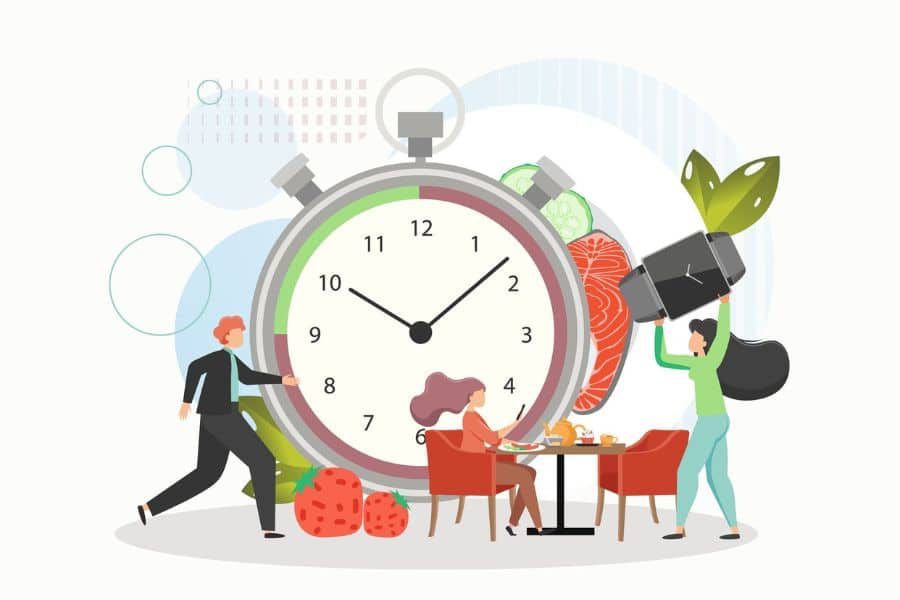
Understanding Intermittent Fasting
Intermittent fasting (IF) is like the trendy new dance everyone’s trying — but instead of shaking your moves, you’re shaking up how and when you eat, and it’s turning heads in the world of weight loss and wellness. Before you dive headfirst into this eating pattern, it’s smart to get the scoop on its perks and what to keep an eye on.
Health Benefits of Intermittent Fasting
Scientists have been giving intermittent fasting a big thumbs up. Folks are shedding pounds, boosting their body’s response to insulin, and keeping blood sugar in check. Plus, the extra bonus rounds include lowering blood pressure, cutting down heart disease risk, and calming those stress jitters.
Here’s a quick glance at some health goodies you might bag:
| Health Metric | Benefit |
|---|---|
| Weight Loss | Drop about 9% of body weight in just 12 weeks |
| Insulin Sensitivity | Get better at handling insulin |
| Blood Sugar | Lower fasting blood sugar by a smidge — 0.15 millimoles |
| Blood Pressure | Keep those numbers comfy and low |
| Heart Disease Risk | Better cholesterol and triglyceride levels |
| Inflammation | Calmer body inflammation markers |
Effects on Weight Loss
Weight loss is the real headliner here, pulling people into the IF bandwagon. A 2022 study on 131 participants who signed up for the 5:2 fasting plan shed about 9% of their body weight in just three months, leaving other diets in the dust (Healthline).
Shedding pounds is partly thanks to cutting calories and giving your metabolism a bit of a pep talk. This makes intermittent fasting a long-game player in the weight management world. For the scoop, take a peek at our intermittent fasting for weight loss guide.
Considerations Before Starting
Before jumping on the fasting train, it’s like preparing for a road trip — check your condition, pack what’s needed, and make sure you’re up for the ride. Chatting with a healthcare wizard is a wise move, especially if you’ve got any health quirks (Johns Hopkins Medicine).
Think about these points:
- Medical Conditions: Got heart stuff, diabetes, or eating concerns? Keep them in check.
- Nutritional Needs: Don’t skimp on the nutrients — your body needs the good stuff.
- Lifestyle Fit: Does your life dance to this beat? Consider work and social life.
- Long-term Sustainability: Can you keep the fasting groove going?
For expert advice and handy tips, explore our pages on intermittent fasting tips and starting intermittent fasting for newbies.
Getting these ducks in a row helps you see if this fasting gig slides into your lifestyle and ticks your health boxes, paving the way for a successful and smooth IF journey.
Common Intermittent Fasting Schedules
So, you’ve decided to give intermittent fasting a shot—great choice! It’s a nifty way to boost health and trim some extra pounds, and with a little trial and error, you can find a fasting routine that slots right into your life like it’s always been there. Here’s the skinny on three go-to fasting plans: the 16/8 method, the 5:2 plan, and alternate day fasting.
The 16/8 Method
The 16/8 method is all about keeping things straightforward. Snooze through 16 hours without food, then chow down during an 8-hour window. It’s a crowd-pleaser thanks to its uncomplicated nature. Set it up as you like; say, stop eating at 8 PM and hold out until noon the next day—skipping breakfast means no cooking before your coffee kicks in.
Sample Timeframe:
| Time | What’s Happening |
|---|---|
| 8 PM | Fasting Begins |
| 12 PM – 8 PM | Eating Time |
Fuel up with healthy, hearty meals between noon and 8 PM to keep your energy humming and help melt those pounds away. Find tips on supercharging your intermittent fasting efforts.
The 5:2 Approach
With the 5:2 approach, you munch on your usual grub five days a week, then tighten the belt to a measly 500-600 calories on a couple of designated days. Maybe pick Mondays and Thursdays for your light-eating adventures. When those low-cal days roll around, fiber and protein are your best buddies—they keep hunger from stealing the spotlight.
Weekly Line-Up:
| Day | Plan |
|---|---|
| Monday | Light Eating: 500-600 Calories |
| Thursday | Light Eating: 500-600 Calories |
| Tue, Wed, Fri, Sat, Sun | Usual Eating |
Stick with your normal dining vibe the rest of the week, all while slipping in some fasting gains. Don’t just take our word for it—check out more on fasting perks in our breakdown.
Alternate Day Fasting
Alternate day fasting might be the challenge-seeker’s dream, alternating between “diet-lite” days of around 500 calories and regular food days. It’s a ticket to quick fat loss, but not for the faint-hearted.
Routine Rundown:
| Day | Activity |
|---|---|
| Monday | 500 Calorie Limit |
| Tuesday | Normal Eating |
| Wednesday | 500 Calorie Limit |
| Thursday | Normal Eating |
| Friday | 500 Calorie Limit |
| Saturday | Normal Eating |
| Sunday | Normal Eating |
Some folks go all-in and nix eating altogether on fasting days. Alternate day fasting keeps your body’s engine revving. Need some evidence? Check out this helpful guide from Cleveland Clinic.
Choosing a fasting game plan that suits your groove and goals can really turbocharge your weight loss adventure. Health is personal, so chat with your doc to make sure your choice gel with what your body needs. Find more advice in our sections on smart fasting tips and handy fasting apps.
Potential Side Effects of Intermittent Fasting
Jumping into an intermittent fasting routine might bounce a few surprises your way. Don’t worry—it’s pretty normal! Here we chat about some bumps you might hit and how you can smooth them out.
Headaches and How to Manage
Talking ’bout headaches! They are the grumpy neighbors you didn’t invite but pop up when you try something new like intermittent fasting. These headaches usually play nice and don’t overstay, mostly creeping in because your blood sugar dips or your coffee radar pings low, according to a 2021 review.
Here’s how you can say, “Not today!” to those headaches:
- Drink Up: Keep water as your trusty sidekick all day long.
- Go Slow: Start small with fasting periods and then work your way up.
- Gradual Caffeine Shift: Gradually ease off that coffee rather than making a sudden break.
- Add Electrolytes: A sprinkle of salt in water or sipping electrolyte drinks can be your go-to.
Mood Disturbances and Coping Strategies
Feeling a bit cranky or moody while fasting? Don’t worry! It might just be the temporary sugar roller-coaster you’re riding on. A 2016 study noted that women doing an 18-hour fast felt irritable but also pretty proud of themselves (Healthline).
Ease the mood swings with these:
- Keep Blood Sugar Happy: Enjoy foods that don’t spike your sugar during eating periods.
- Chill Out: Practice some mindfulness or meditation to stay zen.
- Balanced Meals Are Key: Focus on diverse, balanced food during eating times to curb irritability.
- Keep Busy: Dive into activities that make you happy to keep your mind off cravings.
Fatigue and Energy Levels
Moving like a sloth through the day? Starting a fasting routine can sometimes feel like your body’s stuck on slow-mo. Your body’s just adjusting, dealing with low blood sugar, and maybe some nighttime tossing and turning. Once it finds its groove, you’re likely to feel more energetic (Healthline).
Boost your energy by:
| Strategy | Details |
|---|---|
| Get Your Food Mix Right | Mix up proteins, fats, and carbs in your meals. |
| Keep Hydrated | Drink lots of water during your fasting and feasting. |
| Catch Those Z’s | Try your best to get 7-9 hours of restful sleep. |
| Move a Little | Do some easy to moderate exercise to stay lively. |
Looking for more energy tips? Check out our detailed article on intermittent fasting and energy levels.
Gearing up with this knowledge helps you better brace yourself for the intermittent fasting roller coaster. For more insights, our guide on intermittent fasting tips has you covered to help steer your fasting routine with style.
Optimizing Intermittent Fasting
Fine-tuning your intermittent fasting schedule is all about understanding how your body reacts and custom fitting it to your lifestyle. We’ll show you how to tweak your plan to boost your metabolism and get in sync with your body’s natural clock.
Tailoring to Individual Needs
Not all bodies like the same fasting routine, so it’s crucial to find what jives with you. Start simple. Try a 12 to 14-hour fast to ease in. It helps your body flip the switch from sugar to fat, leading to weight loss as those ketones kick in.
| Fasting Method | Fasting Window | Eating Window |
|---|---|---|
| 12/12 | 12 hours | 12 hours |
| 16/8 | 16 hours | 8 hours |
| 5:2 | 2 days low intake | 5 days normal |
Ease into it, and you’ll soon figure out your sweet spot. For more beginner-friendly tips, hop over to our intermittent fasting for beginners guide.
Metabolic Flexibility and Fat Burning
Fasting gives your metabolism a wake-up call, letting your body flip between burning carbs and fats. This magic happens after your energy reserves run low, pushing your body to break down fats (Lumen).
Going 16 hours without food while eating during an 8-hour window, the classic 16/8 routine, is great for weight management and keeping your blood sugar in line (Medical News Today). Dive deeper into how this works in intermittent fasting and fat loss.
Circadian Rhythm and Hormone Regulation
Eating when the sun’s up and resting when it’s down can do wonders for your body’s timing, like insulin handling and glucose metabolism. It’s all about getting your body’s natural mojo going (Lumen).
Tune your eating with daylight hours to keep those hormones balanced and aid weight management. More on this dance between fasting and your body clock in intermittent fasting and metabolism.
By crafting your fasting plan, boosting how your body uses energy, and syncing with your daily rhythm, you can really make intermittent fasting work for you.
Personalizing Intermittent Fasting Plans
Getting a handle on intermittent fasting that’s just right for you can make a world of difference in hitting your health goals and blending with your everyday life.
Evaluating Suitability for Clients
Before you jump into the intermittent fasting pool, it’s smart to test the waters first. Make sure it’s your cup of tea. Chatting up your doctor can help you figure out if this is the right road for you and your health condition. Some folks might have a rougher experience or face hurdles when trying intermittent fasting, so it’s wise to check if you’re all set and there’s no big red flag standing in your way. Peek into this page for more details.
Customizing Recommendations
Okay, you’re all good with fasting, now let’s tweak it to fit you like your favorite pair of jeans. There are various ways to mix and match—like time-restricted eating, the 5:2 diet, or alternate day fasting to name a few. It’s like a buffet—pick what suits your fancy and daily grind. For example, with the 5:2 version, women might stick to below 500 calories on fast days, whereas men cut it under 600 (LinkedIn).
| Method | Eating Days | Fasting Days |
|---|---|---|
| 16/8 Method | 8-hour window | 16-hour fast |
| 5:2 Approach | 5 days | 2 non-consecutive days with less than 500 calories (women) or 600 calories (men) |
| Alternate Day | Every Other Day | 0-500 calories on fasting days |
Don’t forget to match your meals with what your body needs—keep it balanced to dodge any shortage in your diet.
Ensuring Long-Term Success
To keep the fasting train rolling smoothly long-term, you gotta check in with yourself—see how things are kicking along and switch gears if needed (LinkedIn). Tweak your fasting hours or toss in some handy tips if the ride gets bumpy. Consistency doesn’t mean rigidity—flex a bit to keep fasting as a lifelong rhythm.
Using nifty tools like intermittent fasting apps can lend a hand, tinkering with your fasting hours, keeping tabs on progress, and adjusting plans when necessary.
For more targeted help and a friendly nudge in the right direction, check out our tips on losing weight with intermittent fasting and guidance for newbies getting started.
Exploring Different Intermittent Fasting Strategies
Deciding on an intermittent fasting plan can feel like a trip to the ice cream parlor—so many flavors, but you’ve got to pick the one that hits your sweet spot. So let’s dive into three popular flavors of intermittent fasting: Time-Restricted Eating, The 5:2 Diet, and Alternate Day Fasting. Mix and match until you find your groove!
Time-Restricted Eating
Think of Time-Restricted Eating (TRE) like having a party with a guest list. You let eating in, but only for a certain number of hours each day. The 16/8 method is the rockstar of TRE—where you chow down for 8 hours and chill on food for 16. Keep your meals within that 8-hour bash and your body gets benefits like appetite control, a faster metabolism, and chances to shed some weight (Johns Hopkins Medicine). Curious about kickstarting this method? Here’s what you need: intermittent fasting for beginners.
| Method | Eating Window | Fasting Window |
|---|---|---|
| 16/8 | 12 PM – 8 PM | 8 PM – 12 PM |
| 14/10 | 10 AM – 8 PM | 8 PM – 10 AM |
| 18/6 | 1 PM – 7 PM | 7 PM – 1 PM |
The 5:2 Diet
If daily rules ain’t your thing, the 5:2 Diet might be your jam. You eat like usual for five days a week, and on two chosen days, keep it light with 500-600 calories. It’s like being on a rollercoaster where you get off every so often for a breather. This dance between normal days and light days gives your body a chance to cut down on those extra calories and can help with weight loss. Plus, it’s got some health perks up its sleeves, such as boosting metabolic health and keeping your organs happy. Want the scoop on the perks? Slide over to intermittent fasting benefits.
| Day | Calories |
|---|---|
| Regular Days | No restriction |
| Fasting Days | 500-600 |
Alternate Day Fasting
Then there’s Alternate Day Fasting (ADF), the seesaw of fasting, where you feast one day and ease up the next with just 500-600 calories, about 25% of the usual fare. This seesaw game can seriously help with weight loss and gives your metabolism a boost. It’s trickier since it’s an every-other-day thing, but focusing on nutritious foods can keep your energy up and tummy satisfied. For more tricks to make ADF roll smooth, peek at these tips for intermittent fasting.
| Day | Calories |
|---|---|
| Regular Days | No restriction |
| Fasting Days | 500-600 |
Picking the right fasting approach is like picking out an outfit—it’s gotta fit you just right. Check with your doctor to make sure your plan is just what you need. For more on tuning into your plan, swing by personalizing intermittent fasting plans and intermittent fasting tips.
Safety and Professional Guidance
So, you’re thinking about jumping on the intermittent fasting wagon? Let’s talk safety first—it’s always a good idea to check under the hood before you hit the gas.
Consulting the Experts
Got your fasting pants ready? Pump the brakes for a sec. You really should chat with your doc first. Not everyone’s health is a perfect candidate for intermittent fasting. Your healthcare peep will give you the lowdown based on your health story, making sure you’re in the clear or waving a red flag if needed (Johns Hopkins Medicine).
Weighing the Ups and Downs
Before you skip a meal or two, think about the trade-offs of different fasting games. The 16/8 style—16 hours fasting, 8 hours of feasting—is kinda like the starter pack in the fasting world. Less stress and fewer hiccups compared to trying to go all starve-mode like 36 or 72 hours. A look into 2022 research says this intermittent stuff can help with blood sugar and insulin—good news if you’re eyeing better metabolic mojo (Healthline).
Intermittent Fasting Risks
| Risk | What’s the Deal? |
|---|---|
| Headaches | Your brain might give you a little throb-o-gram early on. |
| Mood Changes | Feeling grumpy and swings of the mood pendulum. |
| Fatigue | Energy can take a nosedive, especially in the beginning. |
| Nutrient Deficiency | Missing out on key nutrients if you’re not eating balanced. |
| Cardiovascular Risk | Some fasting ways might throw a curveball at your heart in the long run. |
Crank this up a notch with a look at how to deal with these hiccups in our section on intermittent fasting side effects.
Your Personal Health Vibes
Deciding your IF style also means digging into your own health mix—what’s your age bracket, gender, health history, and daily hustle? The 16/8 might be your ticket, but others might want a different ride for their best lane (Lumen).
Be extra careful if your health rap sheet includes diabetes, heart stuff, or if you’re battling an eating disorder. A doctor’s thumbs-up keeps your fasting gig tailored to your health script, dodging any sneaky risks. For a more girly spin, check our piece on intermittent fasting for women.
Take care of yourself and tap into the know-how from professionals. That way, you’re trading in a safe zone, savoring the perks while dodging the pitfalls. For more deets on customizing fasting fits, swing by our section on tailoring fasting to individual needs.