

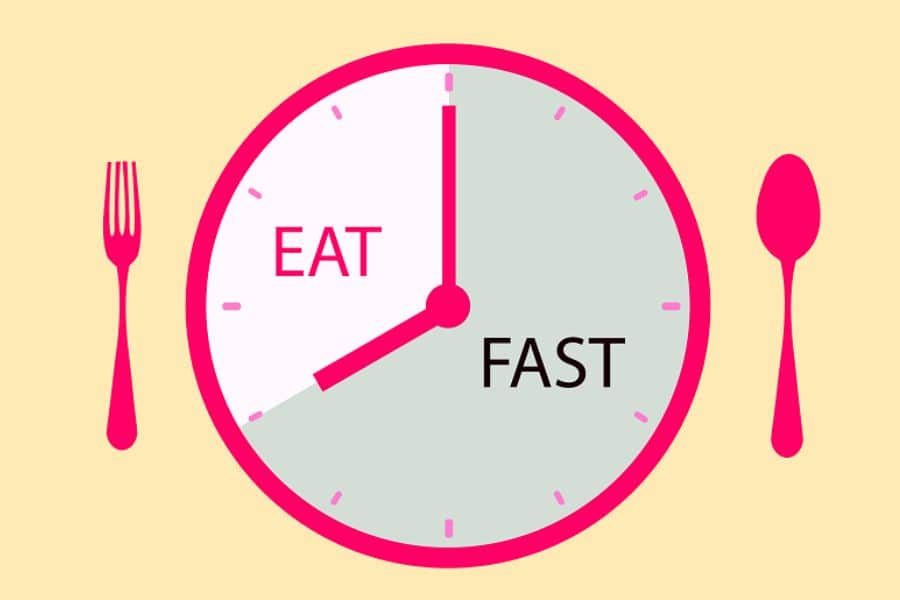
Understanding Inflammation and Intermittent Fasting
Effects of Fasting on Inflammation
So, you’re thinking about skipping a meal or two to see what happens? Well, it turns out when you lighten up on eating, your body starts doing some pretty cool stuff—like reducing inflammation! This isn’t just any kind of inflammation, we’re talking about the nasty kind that can lead to big issues like too much weight, type 2 diabetes, and heart problems. A crew over at Mount Sinai discovered that intermittent fasting turns down the volume on pesky pro-inflammatory immune cells, known as “monocytes,” floating around in your blood. During those fasting hours, these cells take a chill pill, sorta like going into a nap mode. They don’t fire up nearly as much as when the fridge is open and you’re munching.
There’s also something else going on: fasting boosts a thing called arachidonic acid in your blood, which is like the superhero against inflammation (University of Cambridge). Some scientists believe this helps make sense of fasting’s good vibes on your health.
Benefits of Intermittent Fasting
People aren’t trying this “intermittent fasting” just for giggles. Nope, there are some pretty sweet perks! Besides ditching those extra pounds and keeping your body in check, it does wonders for your overall well-being. You see, Healthline spills the beans about how this eating trick can balance your blood sugar, pump up your growth hormone, and buff up your muscles without turning you into a gym rat.
Here’s a little cheat sheet of the goodies you get:
| Benefit | What’s in it for ya? |
|---|---|
| Weight Loss | Slims you down, helps shed those pesky pounds |
| Metabolic Health | Keeps sugar and insulin on a tight leash |
| Stress Relief | Kicks oxidative stress and inflammation to the curb |
| Disease Defense | Lowers the odds of run-ins with heart problems and diabetes |
| Living Longer | Could add a few more birthday candles to the cake |
Intermittent fasting doesn’t just stop there—it’s like a ninja against chronic inflammation diseases, which can spell trouble for your ticker, blood sugar, and, yes, even lead to cancer. Curious to dive deeper? Check out more juicy details in our intermittent fasting benefits guide.
Thinking of hopping on the intermittent fasting train? Sweet! Start by checking out various intermittent fasting methods. After all, the best plan is the one you can stick to. And for a no-fuss kick-off, our intermittent fasting for beginners has your back. But hey, keep your health in mind; chatting with a healthcare pro can be a smart move if you have any concerns!
Mechanisms of Inflammation Reduction
Intermittent fasting isn’t just your ticket to shed some pounds; it’s also like a guardian for your body against inflammation. Getting a grip on how this works lets you really see why it’s worth giving the fasting thing a go.
Arachidonic Acid’s Role
First up, is arachidonic acid, the unsung hero in the fight against inflammation when you’re fasting. As you skip meals, this miracle worker cranks up in your bloodstream. This fatty acid is kind of like a peacekeeper, keeping the NLRP3 inflammasome (a fancy term for a protein cluster that stirs up inflammation) on a tight leash (NHLBI).
Research spills the beans that gobbling a meal after a 24-hour fasting stint hikes up arachidonic acid levels, which then tells inflammation to simmer down (University of Cambridge). These effects are kinda like having an all-natural alternative to popping aspirin.
| Fasting Duration | Increase in Arachidonic Acid |
|---|---|
| 16 hours | Moderate |
| 24 hours | High |
| 48 hours | Very High |
NLRP3 Inflammasome Inhibition
Now, let’s rap about the NLRP3 inflammasome, a bit of a drama king when it comes to inflammation. It’s that uninvited guest that keeps showing up at your body’s party, stirring up trouble. But fasting comes in like a bouncer, holding back the overactive NLRP3 from crashing the place and causing a ruckus in the form of various inflammatory diseases.
When the stomach growls, studies suggest that the quitter attitude of NLRP3 leads to less drama from inflammatory cytokines (University of Cambridge). It’s like signing a peace treaty that keeps chronic inflammatory troublemakers like arthritis and heart issues at bay.
To make this magic work for you, pick a fasting method that jives with your day-to-day groove. Whether it’s time-restricted eating or alternate-day fasting, find your rhythm to keep inflammation in check.
So, if you’ve been mulling over trying intermittent fasting, let the inflammation-busting perk nudge you over the line. And hey, it doesn’t hurt that you’ll also cash in on weight loss and metabolic health. For a deeper dive into different fasting styles, stop by intermittent fasting methods.
Health Perks of Skipping Meals Sometimes
So, you’ve heard about intermittent fasting—or IF—right? It’s not just another fad; it brings genuine health perks to the table. We’ll focus on two biggies that have folks buzzing: shedding pounds and sprucing up your inner workings, plus keeping nasty diseases at bay and living longer.
Shedding Pounds and Pep Up Your Metabolism
IF is your friend if you’re thinking, “I gotta drop some weight!” You don’t have to go full-on rabbit food. Just squeeze your meals into a shorter time frame. This simple twist means you end up eating less overall without really trying. Less food means your body has to burn that stubborn fat for fuel (says Healthline).
But hang on, there’s more! IF isn’t just about weight loss; it gives your metabolism a nice boost too. It helps smooth out those sugar spikes, makes your body respond better to insulin, and even calms down cholesterol levels. All this combined lowers the chances of nasty lifelong stuff like type 2 diabetes and heart problems.
Hungry for more details? Peek at our guides on intermittent fasting for weight loss and intermittent fasting benefits.
| What Happens? | Boo-Yah Effect! |
|---|---|
| Calorie Count | Downward Spiral |
| Insulin Reaction | Better, Faster, Stronger |
| Sugar Levels | Nice ‘n Steady |
| Cholesterol | Good Vibes Only |
Keep Diseases Off and Live Longer
Here’s where IF gets really cool: it might help ward off diseases and add years to your life. Studies show that going without food now and then can dial down inflammation and even improve some long-term inflammatory issues (Mount Sinai). Calming inflammation can guard against serious stuff like heart disease, some cancers, type 2 diabetes, and autoimmune issues.
Think that’s neat? Intermittent fasting might even hit the brakes on aging. Pair it with eating right, moving your body, and chilling out, and you might just see more birthdays (according to Healthline).
Interested in beefing up your defenses? Check our content on intermittent fasting schedule, intermittent fasting and fat loss, and intermittent fasting for beginners.
| Cool Benefit | Awesome Outcome |
|---|---|
| Swelling Down | Smoother Ride |
| Risk of Yuck Diseases | Lessened |
| Living Stats | Uppin’ the Game |
| Your Real Age | Rolling Back Time |
Pairing up intermittent fasting with lowering inflammation hits the sweet spot for a bunch of health perks. From turbocharged metabolism to keeping diseases away and living to a ripe old age, IF’s got the goods. Want to know more? Follow those links scattered throughout for more juicy tidbits.
What’s Cooking with Diet and Inflammation
Chow Down but Not Too Much!
Chowing down like you’re at an all-you-can-eat buffet might be the modern-day norm, but it could be stirring up trouble with inflammation. Studies point out that many of the inflammation-lovin’ cells in people today may be more about our penchant for extra calories than any real need for ’em. When you munch past the point of fullness, your body squirrels away the extra as fat, setting the stage for more inflammatory activity.
| Scenario | Inflammatory Markers |
|---|---|
| Munching Moderately | Low |
| Going Whole Hog | High |
See that table? It’s drawing a picture for you: munching more leads to fiery opportunities in your body. But guess what? Giving intermittent fasting a whirl might just be your ticket to control those calorie cravings, helping dampen inflammation a notch or two.
Getting on the intermittent fasting train means timing your eats to give your body fasting breaks, anywhere from 16 to 24 hours. Curious about the ways to make it work? Head over to our page to get the lowdown on intermittent fasting methods.
Taming the Beast: Inflammatory Diseases
Intermittent fasting isn’t just about fitting into those skinny jeans. It holds promise in turning the tables on overeating-related health woes like obesity, type 2 diabetes, and that ol’ ticker trouble (Johns Hopkins Medicine). Eating less often can shrink your chances of facing those fiery diseases.
| Illness | Fast Track with Intermittent Fasting |
|---|---|
| Packing on Pounds | Downward Trend |
| Sugar Rollercoaster (Diabetes) | Reverse Gear |
| Heart Woes | Chill Zone |
That table clueing you in? It’s showing how fasting could put a lid on risks from these inflammatory critters. How? By squeezing down on calorie intake and embracing fasting windows, your cells see less oxidative stress, which means inflammation takes a backseat.
Want to dive deeper into how intermittent fasting can help flatten that belly? Swing by our corner on intermittent fasting for weight loss.
Figuring out how diet choreography with inflammation works can toss you some golden nuggets for refining your munching habits. Jumping into intermittent fasting can unlock a treasure trove of perks, from trimming down to dodging those inflammatory pitfalls. If you’re looking to jump in with both feet, see our intros for intermittent fasting for beginners and snag some intermittent fasting tips.
Practical Applications of Intermittent Fasting
Dig into the ways intermittent fasting can slide into your everyday routine. This section breaks down time-restricted eating and various fasting styles and how long they take.
Time-Restricted Eating
Time-restricted eating (TRE) means you’re stuffing your meals into a set timeframe each day, leaving the rest of the day for not eating. It’s a nifty method, showing some love to your gut and its microscopic pals, which can do wonders for your health (Healthline). Here’s how some common TRE schedules look:
| Eating Window | Fasting Hours |
|---|---|
| 8 hours (e.g., 12 PM to 8 PM) | 16 hours |
| 6 hours (e.g., 1 PM to 7 PM) | 18 hours |
| 4 hours (e.g., 2 PM to 6 PM) | 20 hours |
The 16/8 method leads the pack, with 16 hours of fasting and an 8-hour munching window. It’s like training wheels for fasting newbies. Pick an eating window that dances well with your day-to-day, and then stretch those fasting hours as your body gets in sync. Need more help with planning? Check our intermittent fasting schedule.
Fasting Methods and Durations
Intermittent fasting isn’t a one-size-fits-all hat. There are several flavors, each packing its own punch. Here’s a mixed bag of fasting styles to consider:
- The 16/8 Method: Fast for 16 hours, chow down in the next 8. Perfect starting point for rookies, easy to blend with everyday life.
- The 5:2 Diet: Eat regularly for five days, and scale back the calories to 500-600 for the other two.
- Eat-Stop-Eat: Fast a full 24 hours once or twice weekly. Say, eat dinner at 7 PM, then skip meals until 7 PM next day.
- Alternate-Day Fasting: Swing between normal chow days and fasting or super-low calorie days.
- The Warrior Diet: Fast for 20 hours, then enjoy a big meal at night within a 4-hour window.
Finding your groove with these methods depends on your lifestyle, health targets, and how your body groans or cheers about fasting. Experiment a bit, see which rhythm makes you hum. For the super curious, visit our section on intermittent fasting methods.
While fasting away, keep an ear on your body’s signals and meet its need for nutrition. A protein-rich diet, plus some good ol’ resistance training, can keep those muscles and bones happy. Also, check out intermittent fasting apps to log your steps and stay psyched.
Especially for ladies or folks with unique dietary needs, tailor your fasting game accordingly. Head over to our guide on intermittent fasting for women for the lowdown.
With these practical tips, you’re on the road to health gains and less inflammation. For more nuggets of wisdom, see our articles on intermittent fasting benefits and intermittent fasting for beginners. Fast on, friend!
Research Insights on Inflammation Reduction
Cellular Response to Fasting
Jumping on the intermittent fasting train doesn’t just shed pounds; it gives your body a biochemical perk too. When you skip meals strategically, your cells kick into gear in ways that quash inflammation. One key player here is arachidonic acid—a fancy term for a blood chemical known to chill out inflammation. Upping arachidonic acid levels through fasting is kind of like getting aspirin’s perks without popping any pills (University of Cambridge).
Fasting also gets the cell’s janitors on the clock with a process called autophagy. This cleanup operation clears out cellular junk, like problematic molecules that stir up inflammation. So you not only get a decluttered cellular space but also a smarter way your body burns energy, favoring fats and ketone bodies instead of sugar (Journal of Yeungnam Medical Science).
| Cellular Adaptation | Mechanism |
|---|---|
| More Arachidonic Acid | Calms the inflammasome tide |
| Kick-start Autophagy | Sweeps out cell debris |
| Switches Fuel Sources | Picks fats and ketones over sweet sugar |
Novel Therapeutic Strategies
Thanks to deeper dives into fasting and inflammation, some fresh treatment ideas are popping up. The brainiacs at Mount Sinai figured out that cutting down on munching can actually make life easier for folks wrestling with inflammation and autoimmune woes (Mount Sinai). That means fasting might buddy up with classic meds to tackle pesky chronic inflammation and those tricky metabolic disorders.
There’s some hot research looking at fasting’s effects on a big troublemaker—the NLRP3 inflammasome. This nasty protein setup fires up inflammation, but fasting tells it to take a hike by boosting arachidonic acid. It’s a promising lead for future anti-inflammatory fixes (NHLBI).
| Strategy | Description |
|---|---|
| Skimping on Calories | Soothes inflammatory nightmares |
| Inflammasome Be Gone | Fasting puts a stop to its game |
| Autophagy Hustle | Fuels orderly cellular detox |
Get into a regular fasting rhythm and you might just notice inflamed troubles fading away, making chronic disease management a lot smoother. Peek at our beginner’s guide to intermittent fasting, set your watch to a fasting-friendly schedule, and uncover the rewards of intermittent fasting waiting for you.