
Exploring High-Protein Diets
Let’s break down why high-protein diets are all the rage and how you can use them to hit your health goals. We’ll yack about the nitty-gritty of protein magic and the amount you should be consuming to keep your health cruising smoothly.
Benefits of High-Protein Diets
Eating a diet with loads of protein is like having a secret weapon—especially if you’re on a mission to lose weight or want to give your metabolism a jump start. Research backs up the idea that bumping up your protein intake can lead to some pretty sweet health perks (Healthline).
- Take the Edge Off Hunger: Protein-packed meals can act like a hunger zapper, making it easier to chow down on fewer calories. It tweaks the hormones responsible for making you feel satisfied—so no more snack attacks!
- Amp Up Your Metabolism: Getting more protein in your diet is like throwing kindling on a fire—it kicks your metabolism into higher gear, helping you torch more calories as you go about your day.
- Weight Loss and Staying Slim: Protein not only helps you shed pounds but keeps them at bay when you’re playing the long game.
For more chit-chat on these benefits, swing by our guide on high-protein diet benefits.
Protein Intake Recommendations
Figuring out just how much protein you should be downing is key to getting the good stuff out of a high-protein diet. Typically, grown-up ladies need 46 grams a day of protein, while gents aim for 56 grams (Medical News Today). For overall good vibes, you should be getting 10 to 35% of your day’s calories from protein.
Here’s a no-fuss table to make protein intake recommendations clear as day:
| Who | Daily Protein Needed (g) | % of Daily Calories |
|---|---|---|
| Women | 46 | 10 – 35% |
| Men | 56 | 10 – 35% |
For a tailor-made plan, check out our article on how to start a high-protein diet for guidance that fits like a glove.
By sticking to these tips and munching on the best high-protein eats, you’ll be well on your way to sticker health and wellness. Peek at our thorough list of best high-protein foods to get the lowdown on the top picks.
High-Protein Diet for Weight Loss
Metabolism Boost and Caloric Burn
Imagine your metabolism as a little engine, always running in the background. Feed it some protein, and watch how it roars to life! Protein revs up this engine way more than carbs or fats do. When you eat, your body has to burn some calories just to break down the food. That’s what’s called the “thermic effect of food,” and guess what? Protein has a high one. Check out these numbers:
| Macronutrient | Thermic Effect (%) |
|---|---|
| Protein | 20-30 |
| Carbs | 5-10 |
| Fats | 0-3 |
So, when you’re munching on more protein-packed foods, your body is working harder to digest it, meaning you burn more calories just by eating. It’s not all about diving into a plate of steak, though. There are loads of options out there that fit the bill, like beans, cheese, and tons of plant-based choices that keep your meals both healthy and varied.
Long-Term Weight Management
Now, let’s talk about the long game. High-protein diets aren’t just flashing the pan, here-today-gone-tomorrow sort of deals. They can seriously help you keep those pounds off for good. How? By keeping you full and less likely to raid the fridge at midnight. Feeling satisfied makes sticking to your diet that much easier. Studies have shown that a hearty protein intake helps not only with shedding weight but also with keeping it from creeping back on.
| Protein Needs | Daily Requirement (grams) |
|---|---|
| Women | 46 |
| Men | 56 |
You wanna make sure you’re hitting those daily protein targets—46 grams for gals and 56 for guys. It’s a good idea to let protein account for about 10% to 35% of what you eat every day (with a nod to the folks at Medical News Today for crunching those numbers).
But mix it up! Look into different high-protein diet meal options to keep things fresh. Want some tips on that? We’ve got meal plans for weight loss ready for you to check out. It’s always smart to run your diet plans by a pro, especially if you’re chasing specific health goals.
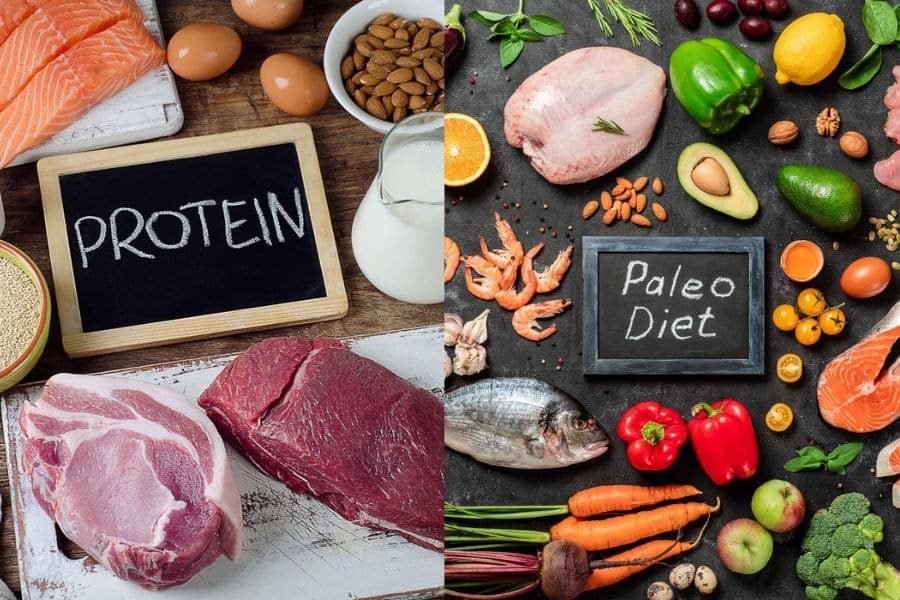
To spice up your diet knowledge, how ’bout diving into why high-protein diets rock or what they have in common with the Paleo diet? There’s a wealth of info out there to fuel your journey!
Considerations for High-Protein Diets
Kidney Health and Protein Intake
High-protein diets have their perks like making you feel fuller and getting your metabolism in gear. But what’s the scoop on protein and your kidneys? It’s good to be in the know about how much protein you’re eating, especially for kidney care. For folks with healthy kidneys, upping your protein game doesn’t seem to be risky at all. The real challenge arises if your kidneys are already in a bit of trouble. Loads of protein mean more work for them as they tackle all that waste disposal business from protein. It’s like adding extra weight to a backpack you’re already struggling to carry if you’ve got kidney issues.
To keep things running smoothly, you should pay attention to how much protein you’re munching on and have a chat with your healthcare expert. Here’s a quick look at how much protein different groups should aim for:
| Population Group | Daily Protein Needs (g/kg) |
|---|---|
| Healthy Adults | 0.8 – 1.0 |
| Athletes | 1.2 – 2.0 |
| Folks With Kidney Issues | Get Your Doctor’s Advice |
Sustainability and Potential Risks
Sure, going big on protein can be awesome, but let’s not ignore the long game and any risks that might sneak up on us. Hanging tight to a high-protein plan long-term can throw a few curveballs.
- Kidney Woes: Staying high on protein could speed up kidney wear and tear, possibly landing you with kidney stones.
- Liver Problems: Your liver might sweat too, especially if it’s got a bit of history.
- Heart Concerns: Chowing down on lots of red and processed meats has been tied to heart troubles.
- Risky Business with Cancer: A diet too stacked with red and processed meats may nudge up your chances for a few types of cancers.
The trick is balance—mix up your protein sources to dodge these pitfalls. Plant-based proteins slide onto your plate with ease and help keep things interesting.
| Protein Source | Perks | Possible Risks |
|---|---|---|
| Red Meat | Packed with B vitamins, iron | Cancer and heart disease flags |
| Plant-Based Players | Fiber goldmine, low cholesterol | Pretty clean slate |
| Dairy | Loaded with calcium, vitamin D | Watch out for lactose issues |
Making a high-protein diet work for you takes a bit of juggling and fine-tuning. Keep tabs on how you’re feeling health-wise, and getting some pointers from a nutritionist can’t hurt. This way, you’re in it for all the good bits with fewer worries on the side. For the full rundown on diving into high-protein living, check out our guide on getting started with a high-protein diet.
Finding that sweet spot between your protein needs and feeling your best makes for a solid plan. Want to know more? Peek at what a high-protein diet can do for you, right here.
Implementing a High-Protein Diet
Jumping on the high-protein bandwagon could be that missing piece in your health puzzle. You wanna shed some pounds, get ripped, or just feel like you’ve downed three cups of espresso, a good old high-protein diet might just do the trick. Here’s how to dive headfirst into making it work for you.
Diet Planning and Adjustments
Before you start the protein party, let’s get some planning straight. Your meals need to be loaded with the good stuff while still keeping everything else in check. So, here’s the deal: the scientists at Verywell Fit say you should munch through 0.8 grams of protein per every kilo you weigh. So, if you hit the scales at 150 pounds (around 68 kg), you should be chomping on at least 54 grams a day. Easy, right?
Let’s break it down some more:
- Meal Planning: Get your life organized with a weekly meal plan. Go for those meats, eggs, beans, and throw in some dairy. We’ve got some high-protein diet meal plans for weight loss that might just tickle your fancy.
- Balanced Nutrition: Don’t forget your fats and carbs while chasing those protein numbers.
- Variety: Mix it up with different sources of protein like meats, fish, beans, and those plant-based goodies.
Want some more ideas? Check our high-protein diet meal ideas. You might just find your new favorite dish.
Consultation and Advice
Now, don’t go crazy on your own. Grab some advice from someone who knows their onions. A healthcare pro or a dietitian can be your best friend here. According to Medical News Today, a quick chat with them can put you on the right track, considering your age, how much you move, and any health stuff you’ve got going on.
Here’s why they’re worth it:
- Personalized Plan: They whip up a plan made just for you—whether you’re trying to drop some pounds, get those muscles, or turn into a super athlete.
- Health Monitoring: They make sure your body’s loving that protein as much as you are.
- Expert Advice: They’ll clue you in on avoiding pitfalls and how to keep your diet game strong for the long haul.
Ready to jump in? Check out our all-you-can-read guide on how to start a high-protein diet.
High-Protein Diet and Paleo Approach
Getting to Know the Paleo Diet
The Paleo diet is all about eating the foods our caveman ancestors would’ve. Think veggies, nuts, seeds, and meat. Say goodbye to processed foods like sugar, bread, some oils, and fake sweeteners. Basically, if it didn’t exist in the Stone Age, it’s a no-go today.
Here’s what you chow down on the Paleo way:
- Meat and fish straight from nature
- Loads of veggies and fruits
- Nuts and seeds
And what to skip:
- Dairy goodies
- Beans and other legumes
- Anything with gluten
Why It Might Be Good (or Not)
The Paleo approach can score some points for your health, claiming benefits like weight loss and a happier metabolism thanks to its focus on real food and being active. But it’s not all sunshine and rainbows—knowing the good and the not-so-great is key.
What’s Good:
- Shedding Pounds: Ditching the junk and focusing on the good stuff can trim your waistline and boost metabolism.
- Better Insulin Control: With less sugar and more protein and fats, your blood sugar might play nicer.
- Stay Fuller Longer: Protein and fiber help with the whole ‘I’m not hungry’ thing, so you’re not munching all day.
Check out some cool perks of a high-protein lifestyle on our high-protein diet benefits page.
Watch Out For:
- Missing Some Nutrients: Skipping stuff like dairy and beans might leave you short on things like calcium and vitamin D.
- Tummy Trouble: Switching gears to more fiber might leave your stomach grumbling. Chat with a doc or a nutrition whiz if you’re unsure.
- Long-Term Risks: Going overboard on fats and protein could mess with your kidneys and heart in the long run.
For anyone looking to dive into a high-protein Paleo diet safely, it’s a smart move to talk things over with a healthcare pro or a diet expert. They’ll help keep your eats balanced and healthy. Want to get started? Peep our page on how to start a high-protein diet for more juicy details.
Protein Sources in Paleo Diet
So, you’re diving headfirst into the Paleo scene, huh? The big question is: which protein-packed bites are going to be your new best friends? Let’s break it down into two simple categories: the meaty, ocean-kissed stars of the Paleo show, and those trusty eggs plus a smidge of plant power.
Meat and Seafood Choices
In the land of Paleo, meat and seafood are your protein heroes. They’re straight-up unprocessed goodness, loaded with nutrients.
- Grass-Fed Meat: Think beef, bison, and lamb that prefer munching on grass over grain. These fellas are like little packets of omega-3s and antioxidants. They’re lean, mean, and nutrient-clean compared to their grain-gobbled buddies (Check it out on EatingWell).
- Wild Seafood: Talk about heart goodness with salmon, mackerel, and sardines who’ve lived the wild life. And don’t forget shrimp and lobster, they’re not just for fancy dinners; they’re top-notch picks too.
- Poultry: Free birds like chicken and turkey fly high when it comes to protein without all the unwanted extras.
| Protein Source | Protein (g) per 3 oz serving | Omega-3 Content (mg) |
|---|---|---|
| Grass-Fed Beef | 22 | 90 |
| Wild Salmon | 22 | 1,200 |
| Free-Range Chicken | 23 | 30 |
Check out the list of best high-protein foods to dig even deeper.
Eggs and Plant-Based Proteins
Eggs and some plant buddies are all about the Paleo life, serving up variety and a bunch of nutrients.
- Eggs: These little packages brim with protein and important vitamins, minerals, and antioxidants. Plus, snag them organic and cage-free if you can (EatingWell).
- Nuts and Seeds: Almonds, walnuts, chia seeds, and flaxseeds aren’t playing around. They pack healthy fats, fiber, and a crunch that keeps things interesting. But peanuts? Nah, those are legumes—best left off the list (EatingWell).
| Protein Source | Protein (g) per serving | Omega-3 Content (mg) |
|---|---|---|
| Large Egg | 6 | 37 |
| Almonds (1 oz) | 6 | 0 |
| Chia Seeds (1 oz) | 4 | 4,915 |
| Flax Seeds (1 oz) | 5 | 6,388 |
Living the high-protein Paleo life means you’re sticking to the real deal—foods that are as unprocessed as it gets, covering your dietary needs without compromising the spirit of Paleo. For some meal inspo, hit up our high-protein diet meal ideas and whip up something tasty.