
Benefits of a High-Protein Diet
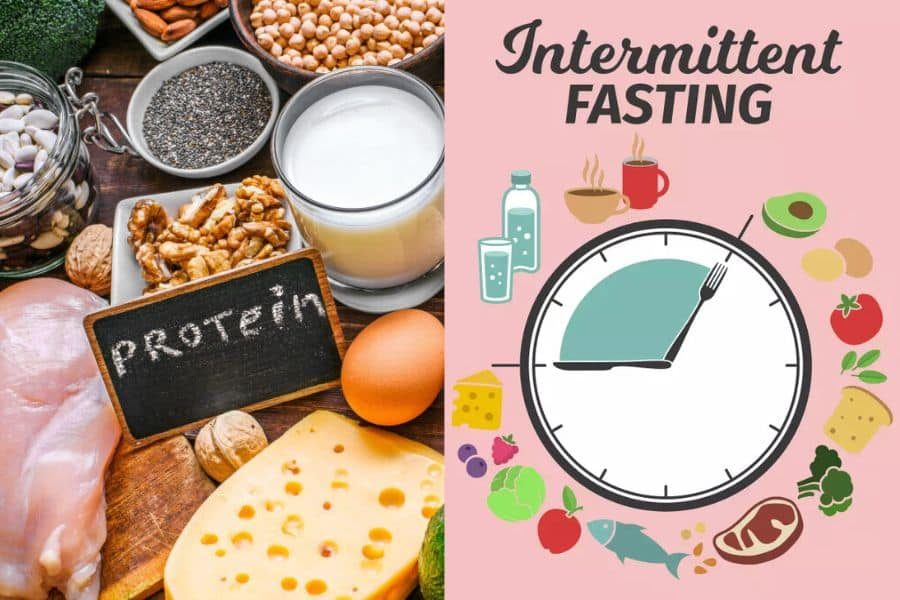
Diving into eating lots of protein? Great! Let’s uncover how this can be a game-changer for your health, especially when you buddy up with intermittent fasting. We’ll dig into two big wins: firing up your calorie-burning engine and keeping those pesky hunger pangs in check.
Boosting Metabolism with Protein
Protein is your secret weapon for cranking up your metabolism. Why? Because digesting it needs more energy—kinda like your body breaks a sweat just processing it! It’s got a thermic effect of 20 to 30%, way higher than carbs at 5 to 10%, and fat at a measly 0 to 3% (Healthline). Fancy numbers aside, this means you burn more calories chewing through a steak than chomping on bread or butter.
Imagine this: eating more protein can torch an extra 80-100 calories daily. Some folks have even revved up to 260 calories extra burned daily compared to their low-protein buddies—that’s like sneaking in an hour-long jog without the jog (Healthline).
| Macronutrient | Thermic Effect (%) |
|---|---|
| Protein | 20 – 30% |
| Carbohydrates | 5 – 10% |
| Fat | 0 – 3% |
For more juicy details on how protein fuels your internal furnace, check out our write-up on high-protein diet and metabolism.
Reducing Appetite and Caloric Intake
Protein’s got another trick—it keeps your appetite from running wild. It tinkers with hormones in charge of hunger signals like GLP-1, peptide YY, cholecystokinin, and ghrelin, basically telling them, “Chill out”.
Picture this: eating meals where protein makes up 30% of your calories can automatically make you eat 441 fewer calories per day. No rocket science here, just your body working for you (Healthline).
| Protein Intake | Daily Caloric Reduction |
|---|---|
| 30% of calories | 441 calories less |
Want to weave this into your day-to-day? Jump over to our guide on high-protein diet meal ideas.
Between firing up your metabolism and calming your cravings, protein packs a big punch for weight control. Want it to work for your body? Pairing it with intermittent fasting might just be your ticket to making it all click.
Impact of Protein on Weight Loss
A high-protein diet can be your secret weapon for weight loss. Wrapping your head around how it works can help you make smart choices for your meals.
Study Findings on Protein Intake
Loads of research shows that eating more protein can really step up your weight loss game. A standout study from 2005 revealed that when folks got 30% of their calories from protein, they naturally ate 441 fewer calories each day (Healthline). This happened without a conscious effort to cut back, making it simpler to keep up a calorie deficit and shed pounds.
Check out the study highlights:
| Study Aspect | Finding |
|---|---|
| Caloric Intake from Protein | 30% |
| Reduction in Calorie Intake | 441 calories per day |
| Impact on Hunger Hormones | Big-time effect |
Upping your protein can also change how hungry you feel. Eating hearty doses of protein can smack down cravings and squash those late-night snack urges. Starting the day with a protein-packed breakfast might keep your munchies in check well into the afternoon.
Protein’s Effect on Weight Management
Protein doesn’t just help you eat less, it can rev up your calorie burn too. When you chow down on more protein, you boost your metabolism – because of the thermic effect of food (TEF). TEF is the energy your body uses to break down, absorb, and deal with what you eat. High-protein foods pack a way bigger TEF punch than fats and carbs do.
Studies show that munching on protein can up your burnt calories by 80-100 more each day. One study pointed out that those on high-protein diets burned off 260 more calories a day than their low-protein peers. That’s like doing an hour of moderate exercise daily (Healthline).
Peep the calorie-burning boost from high-protein diets:
| Protein Intake | Calorie Burn Increase |
|---|---|
| High-Protein Diet | Up to 260 calories a day |
| Low-Protein Diet | Way less |
Protein-rich diets aren’t just about metabolism and less hunger – they tune a bunch of hormones like GLP-1, peptide YY, cholecystokinin, and ghrelin. These hormones are big players in feeling full, keeping hunger at bay, and sticking with your weight loss goals.
Want some meal ideas or protein-packed foods? Take a glance at our article on the best high-protein foods. Or check out our guide on high-protein diet meal plans for weight loss for some structured meal plans.
Getting into a groove with high-protein foods isn’t rocket science. Dive into how to start a high-protein diet for pro tips on shifting to a protein-focused diet. Making these changes in what you eat can help you lose weight more easily with the right know-how and tools.
Protein’s Role in Muscle Health
Maintaining Muscle Mass
Protein is your muscle’s best friend when it comes to keeping them in tip-top shape – especially if you’re juggling a high-protein diet and dabbling in intermittent fasting. Protein helps keep your muscles from sneaking off when you’re cutting calories or trying to shed some pounds. It’s like a repair guy with a toolbox full of amino acids for your muscles.
Now, let’s talk numbers. Generally, gals need a minimum of 50 grams of protein daily, while the guys should aim for about 60 grams. And if you’re diving into a high-protein diet, those digits will jump (WebMD).
| Gender | Daily Protein Requirement (g) | High-Protein Diet Range (g) |
|---|---|---|
| Women | 50 | 70-100 |
| Men | 60 | 80-120 |
Need a hand getting started? Our guide on how to start a high-protein diet is ready to roll.
Promoting Muscle Growth and Strength
Protein isn’t just about holding onto what you’ve got; it’s also a major player in bulking up and flexing those muscles, especially with strength training. A good amount of protein gives muscle-building a turbo boost, turning you into a muscle-growing machine (Healthline).
Got your intermittent fasting lined up? When teamed with protein pacing, it’s the dream team for boosting energy and muscle-making. Folks who follow this path see impressive muscle gains compared to those just cutting calories (Medical News Today).
To really beef up (pun intended), fill up your plate with high-protein foods like:
- Beans: A cup full packs as much punch as a small steak but throws in some fiber to keep you satisfied and helps kick that LDL cholesterol to the curb.
- Meat: Beef, chicken, and pork – classic crowd favorites.
- Seafood: Fish and shellfish – packing high-quality protein from the ocean.
- Dairy: All you can milk, cheese, and yogurt – full of protein and other goodies.
- Soy: If you’re veggie-friendly, tofu and tempeh have got your back.
Curious about building some guns with a protein-heavy menu? Check out our full rundown on high-protein diet plans for muscle gain.
Sprinkle these protein powerhouses into your meals and watch your muscle dreams become reality. For more meal inspo, head to our page on high-protein diet meal ideas. Happy flexing!
Intermittent Fasting and Protein Pacing
Mixing a high-protein diet with intermittent fasting isn’t just some trendy health hack—it’s got some real perks. This section dives into why teaming these two up is good news for your gut and waistline.
The Benefits of Combining Fasting and Protein
When you add intermittent fasting to your high-protein diet, you’re in for some impressive results. We’re talking about better weight and fat loss. It’s like a superhero team-up where your appetite falls in line, making hunger pangs a thing of the past. Look at those studies: folks doing both fasting and protein pacing lost more body fat, visceral fat, and weight, while feeling less hungry (Extra Context).
| Benefit | Combo of Fasting + Protein Pacing |
|---|---|
| Body Fat Shrinkage | Bigger |
| Visceral Fat Cutting | Larger |
| Shedding Pounds | More |
| Keeping Appetite in Check | Better |
The duo of fasting and protein adds those good proteins (cytokines) and amino acids to your bloodstream—stuff that’s key for burning fat and keeping you strong. So, while you’re trimming down, you’re also saving your muscles, which helps keep you fit and firm. Want more down-to-earth advice? Check out these tips on high-protein diet for weight loss.
Effects on Gut Health
Pairing fasting with a high-protein intake does wonders for your gut, too. Say hello to a friendly bacteria called Christensenellaceae. This little helper lowers visceral fat, boosts fat burning, and sharpens metabolic health (Extra Context).
Your gut also gets these cool amino acid goodies which energize, help make proteins, and aid metabolism. They boost liver cells—that’s some serious behind-the-scenes work happening in your belly.
The combo of fasting and protein shakes encourages playful competitions between your gut bacteria, making them healthier and more varied. A stronger gut flora means more health perks for you.
To make the most of this power couple—fasting and a protein-rich diet—try out the best high-protein foods. Peek at our high-protein diet meal plans for weight loss. And if you’re just starting, here’s a quick guide on how to start a high-protein diet. Let these strategies guide you to a healthier you.
Implementing a High-Protein Diet
Bumping up the protein on your plate? Let’s chat about where those muscle-loving grams come from and a few things to keep in mind as you chow down.
Sources of High Protein
Protein, the stuff of legends! It’s like the glue in your sandwich, but for your body. Here’s where to find it in some mighty tasty bites:
| Protein Source | Protein Content (per 100g) |
|---|---|
| Chicken Breast | 31g |
| Salmon | 25g |
| Eggs | 13g |
| Lentils | 9g |
| Greek Yogurt | 10g |
| Tofu | 8g |
| Almonds | 21g |
| Cottage Cheese | 11g |
Numbers courtesy of our pals at WebMD.
Curious to know more about what tops the protein charts? Pop over to the best high-protein foods.
Considerations for a High-Protein Diet
Switching gears to high-protein living? Here’s a quick guide to keeping it wholesome and fun.
Daily Protein Requirements
Women folks usually need no less than 50 grams of protein a day, and men, about 60 grams. If you’re cranking up the protein, you might want more (WebMD).
Balanced Nutrition
Pick lean stuff like chicken or low-fat dairy if you’re eyeing weight loss (WebMD). Green up your plate too—you don’t want to miss out on those yummy nutrients and fiber. Need some meal ideas? Peek at high-protein diet meal ideas.
Potential Dietary Restrictions
High-protein plans might cut down your carbs like cereals and fruits, possibly veggies, which could leave your nutrients and fiber low. Mix it up with other food groups to keep things in check.
Hydration
Load up on that H2O! Eating more protein could give your kidneys a workout, so quench your thirst often. For more on water and protein love, visit high-protein diet and kidney health.
By folding these tips into your routine, you’ll embrace the high-protein life while peeking at what happens when you mix it up with intermittent fasting. Ready to kick things off? Check out how to start your protein-filled days with our starter guide.
Research on Intermittent Fasting
Understanding Intermittent Fasting
Think of intermittent fasting as a throwback to the days when folks didn’t have endless access to munchies. You’re alternating between meals and fasting like they did. It’s like when you were a kid saving room for dessert—you’re holding off on eating for a bit. There are a few flavors to this fasting:
- Time-Restricted Eating: Pick a chunk of the day to eat, say 8 hours, then call it quits for the next 16.
- Alternate-Day Fasting: One day you feast; the next you play hard to get with calories.
- 5:2 Diet: Eat what you like for five days, and for the other two, it’s diet time.
This isn’t just some kooky trend; there are real perks. Turns out, this routine might help you live longer and feel better. But hey, give it a couple weeks to click. Your tummy might throw a tantrum at first, but it’ll chill out once your body gets the memo.
Health Benefits and Weight Management
Fasting isn’t just about skipping meals. It’s got way more up its sleeve, especially when you’re trying to shed some pounds or just live your best life. Pair it with loads of protein, and you’re tapping into a metabolism-boosting force that keeps your hunger in check.
Health Benefits
- Weight Loss: Sure, you’re eating less, but you’re also flipping the switch on fat burning.
- Longevity: Want to live longer? Less stress and inflammation from fasting might help.
- Brain Health: You could be sharper, with your noggin getting a boost, which might fend off those nasties like Alzheimer’s.
- Chronic Disease Prevention: Keeping diabetes, heart problems, and some types of the big C at bay? Yeah, fasting can help with that.
Weight Management
Team up intermittent fasting with a high-protein diet for a metabolism-tuners dream team that helps keep you svelte. This mash-up is like the best wing person for long-term weight control. And while we’re at it, apply some healthy lifestyle habits to help you feel younger than you are (Healthline).
| Eating Pattern | Key Benefits | Get Used To It In |
|---|---|---|
| Time-Restricted | Drop those pounds, catch better Z’s | 2-4 Weeks |
| Alternate-Day | Shed some fat, smooth out blood sugar | 2-4 Weeks |
| 5:2 Diet | Keep calories in check, fend off diseases | 2-4 Weeks |
So, if you’re gearing up for the health benefits ride, toss in a bunch of protein and you’ve got yourself quite the combo. Want to know more about fitting this into your hustle? Check out our guides on meal prep and meal plans that’ll have you smashing your weight goal game!