

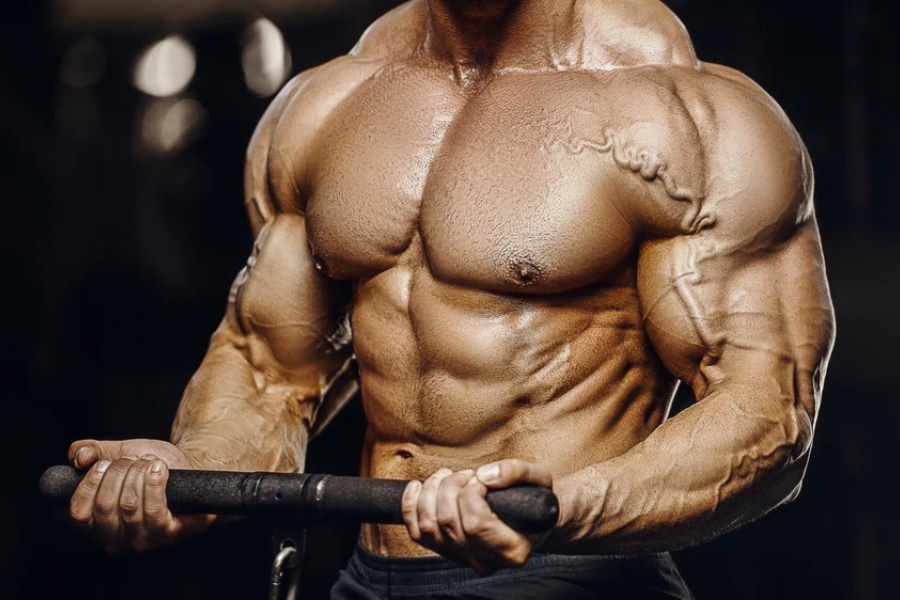
Looking for the best bicep exercises to build serious arm strength and definition? You’ve come to the right place. Your biceps play a central role in almost every pulling motion you perform, from carrying grocery bags to dominating the pull-up bar. When you train them with the right methods, you’ll boost both aesthetic appeal and functional performance.
Below, you’ll find the top exercises that target different regions of the biceps. You’ll also see how to warm up properly, avoid common snags, and maintain a balanced weekly routine. By the end, you’ll have a step-by-step plan that makes your bicep training both efficient and effective.
Understand your biceps
Your biceps brachii muscle has two distinct heads. The long head sits on the outer part of your upper arm and contributes to that coveted bicep “peak.” The short head lies on the inner part of your upper arm, offering width and overall fullness. Targeting both heads is key for a balanced approach to arm training [1].
When you activate the biceps, you’re not only bending your elbow, you’re also recruiting stabilizing muscles like the brachialis (underneath your biceps brachii) and the brachioradialis (in your forearm). Exercises that vary hand grip and arm position ensure that each part of the biceps—and its supporting cast—gets an optimal workout.
Warm up for safe training
Before you jump into the bicep-blasting portion of your workout, take a few minutes to warm up. This small effort helps lubricate your joints, loosen your muscles, and bring more blood flow to the area. Five minutes is usually enough to prepare your body without reaching muscle failure [2].
- Banded chin-ups or assisted pull-ups: Lightly challenge your biceps and shoulders.
- Rotational dumbbell curls (light weight): Practice slow, controlled rotations to prep your elbow joints.
- Inverted plank: Target your core and shoulders, supporting stable posture in your curling motions.
- Behind-the-back stretches: Gently lengthen the arms and shoulders to prime your range of motion.
Perform each warm-up drill for 30–60 seconds, maintaining proper form and focusing on fluid movement. You’ll be better equipped to maximize your results and reduce the risk of injury once you start lifting heavier.
Try these 10 best bicep exercises
Below are ten exercises that consistently appear on experts’ lists for well-rounded bicep growth and definition. Each hits your arms slightly differently, so choose the ones that fit your current goals and equipment.
1. Seated dumbbell curls
Seated dumbbell curls rank among the best bicep exercises because they isolate your arms and remove extra body sway. By sitting, you reduce momentum from your hips or lower back, forcing your biceps to take on most of the workload [2].
How to do it:
- Sit on a bench or chair, feet flat and core braced.
- Hold a dumbbell in each hand with palms facing forward.
- Keep your elbows close to your torso.
- Curl the weights by bending at the elbows.
- Lower slowly, maintaining control.
Reps and sets: Aim for 3 sets of 10–12 reps. If the last few reps feel easy, increase the weight gradually but maintain proper form.
Why it’s effective: Seated curls do an excellent job of targeting the short head of the biceps for more definition on the inner arm, helping you build fullness over time.
2. Standing barbell curls
Standing barbell curls are a classic mass-builder, allowing you to lift heavier than you might with dumbbells [2]. This movement can shape both the inner and outer portions of your biceps and is often used to kickstart growth.
How to do it:
- Stand upright with feet shoulder-width apart.
- Grasp a barbell (straight or EZ bar) with palms facing up.
- Keep your elbows pinned at your sides.
- Curl the bar toward your chest without leaning back.
- Slowly lower the barbell to the start position.
Reps and sets: Start with 3 sets of 8–12 reps, focusing on proper tempo. Think “lift for one count, lower for two to three counts.”
Why it’s effective: A barbell forces both biceps to work together, letting you handle more weight. This higher load can produce significant gains in bicep thickness and overall strength.
3. Single arm preacher curls
Preacher curls isolate your arm on a bench or preacher pad, minimizing momentum and focusing all tension into the biceps. Performing them unilaterally highlights any left-right strength differences and helps correct imbalances [2].
How to do it:
- Position your upper arm against the angled pad of a preacher bench.
- Grip a dumbbell, palm up.
- Curl the weight toward your shoulder.
- Resist on the way down to maximize the eccentric (lowering) phase.
Reps and sets: Go for 2–3 sets of 10–12 reps per arm. Keep each curl slow and steady, emphasizing the controlled negative phase.
Why it’s effective: Preacher curls lock your elbow in place, removing body sway. The added tension fosters serious bicep fatigue, which helps spur muscle growth over time.
4. Concentration curls
Often praised as one of the best bicep exercises for hypertrophy, concentration curls let you channel your focus into a single arm at a time [1].
How to do it:
- Sit on a bench with your knees bent.
- Hold a dumbbell in one hand and rest your elbow against your inner thigh.
- Curl the weight upward, keeping your elbow locked to your leg.
- Lower under control, feeling your bicep lengthen.
Reps and sets: Perform 3 sets of 8–10 reps per arm, focusing on the peak contraction at the top of the curl.
Why it’s effective: Concentration curls allow for a strong mind-muscle connection. By fully focusing on the biceps, you can make each rep more intentional and intense.
5. Hammer curls
Hammer curls shift your grip to a neutral position (palms facing each other). This variation hits the long head of the biceps, as well as the brachialis and brachioradialis muscles, for a thicker overall arm [1].
How to do it:
- Stand upright, dumbbells in hand, palms facing each other.
- Keep your shoulders down and elbows near your torso.
- Bend your elbows, bringing the weights up.
- Slowly return to the starting position.
Reps and sets: Target 3 sets of 8–10 reps. If you can’t maintain a neutral wrist, reduce the weight.
Why it’s effective: Hammer curls build a balanced look for your arms and pump up your forearms too. You’ll also reduce stress on the wrists compared to standard curls.
6. Chin-ups
Chin-ups aren’t just for your back. They’re a powerhouse bicep builder, especially if you emphasize the pulling motion with correct arm engagement. Chin-ups place your hands shoulder-width apart on the bar, palms facing you.
How to do it:
- Grip the bar with palms facing you.
- Engage your back and arms as you pull your body upward.
- Aim to get your chin above the bar.
- Lower slowly, feeling your biceps control the descent.
Reps and sets: If you’re a beginner, try 3–5 reps, resting adequately between attempts. More advanced? Push for 3 sets of 8–10.
Why it’s effective: Bodyweight work demands both strength and core stability. Chin-ups recruit your biceps in a big way and can pay off in noticeable upper-body gains.
7. Door frame body weight curls
If you don’t have equipment handy, door frame body weight curls are an innovative alternative. You’ll use the edge of a door frame to create resistance for your biceps [3].
How to do it:
- Stand in a doorway, gripping the frame at about chest height.
- Lean back, arms extended, maintaining tension in your biceps.
- Pull yourself toward the frame by bending your elbows.
- Straighten your arms to return, keeping a firm grip.
Reps and sets: Begin with 3 sets of 8–10. Be sure your frame is sturdy and that you control the movement at every stage.
Why it’s effective: These zero-equipment curls allow you to scale difficulty by adjusting your foot placement. The farther your feet are from the frame, the tougher the angle.
8. Inverted rows
Inverted rows mostly target the back but also give your biceps a heavy load to handle. You can perform them using a sturdy table, a pair of parallel bars, or any secure horizontal support [3].
How to do it:
- Lie under a table or bar, arms extended above you.
- Grip the edge or bar with palms facing away or toward you.
- Pull your chest up to the surface, leading with the elbows.
- Lower with control until your arms are straight again.
Reps and sets: Start with 3 sets of 8–12. Adjust your foot position or the bar height to change the difficulty.
Why it’s effective: The rowing motion calls on your biceps to help lift your upper body, making them a secondary mover behind your back. You’ll gain arm strength while building a better baseline for pull-ups and chin-ups.
9. Negative biceps curls
Negative reps focus on the eccentric portion of the exercise, when you lower the weight. Research has shown that emphasizing the lowering phase can drive greater gains in hypertrophy and strength [3].
How to do it:
- Use a dumbbell, barbell, or even something like a loaded backpack.
- Curl the weight normally, but take 3–5 seconds to lower it.
- Pause just before your arms are fully extended.
- Repeat, maintaining a strict, slow tempo.
Reps and sets: Perform 2–3 sets of 6–8 slow reps. Keep movements smooth and consistent.
Why it’s effective: Maximizing time under tension spurs new muscle fiber recruitment. Negative curls are a valuable tool for overcoming plateaus or adding variety to your program.
10. Biceps push-ups
Classic push-ups mainly target your chest and triceps, but by adjusting your hand position, you can shift the emphasis to your biceps [3].
How to do it:
- Get into a push-up position, but rotate your hands so your fingers point toward your feet.
- Keep elbows in, focusing on your biceps as you lower your chest.
- Push back up through your arms, tightening your core.
Reps and sets: If you’re new to biceps push-ups, aim for 5–8 reps per set, working up to 10–12. Adjust the difficulty by dropping to your knees if needed.
Why it’s effective: This no-equipment move challenges you to engage your biceps to push the body away from the floor—a surprising twist that hits them from a different angle.
Avoid these common mistakes
Even the best bicep exercises won’t help if your form is off. Here are some pitfalls to watch out for:
- Swinging or using momentum
- Moving your elbows away from your torso or rocking your upper body robs your biceps of tension.
- Slow down, control your reps, and keep your elbows tucked.
- Going too heavy too soon
- Choosing a weight that forces your shoulders or back to compensate increases injury risk [4].
- Pick a load that challenges you in the last 2–3 reps.
- Rushing the eccentric phase
- The lowering phase is crucial to hypertrophy.
- Resist the weight on the way down instead of dropping it.
- Poor wrist alignment
- Over-rotating or flexing your wrists under heavy weight can cause strain.
- Keep them neutral and stable.
- Skipping rest and recovery
- You need at least 48 hours between intense bicep sessions.
- Overtraining can limit growth and raise injury risk.
Build your weekly plan
Consistency trumps intensity in the long run. You generally want to train biceps two to three times per week, especially if your main goal is arm growth. In fact, working your arms more than once weekly can lead to an average of 3.1% more growth each week [1].
Here’s an example layout that balances volume, frequency, and recovery:
-
Day 1:
-
Seated dumbbell curls, 3 × 10
-
Standing barbell curls, 3 × 8–10
-
Negative biceps curls, 2 × 6 (longer eccentric phase)
-
Day 2 (48+ hours later):
-
Single arm preacher curls, 3 × 10
-
Chin-ups, 3 × 8–10
-
Hammer curls, 3 × 8
-
Day 3 (optional or after another 48+ hours):
-
Concentration curls, 3 × 8–10
-
Door frame body weight curls, 3 × 10
-
Biceps push-ups, 3 × 8–12
If you prefer a full-body or upper-lower split, insert two or three bicep-focused moves into your upper-body days. Don’t forget to track your progress. Increase the reps or weight every few weeks to keep your muscles adapting.
Progress with intention
Tracking: Retest your strength at specific intervals, like every 4–6 weeks. Increase weight, reps, or both as your biceps get stronger.
Nutrition: Adequate protein supports muscle repair. Hydration and a balanced diet make a big difference in recovery and performance.
Sleep: Aim for 7–9 hours to help your muscles rebuild. A good night’s rest is an underrated performance edge.
Key takeaways
- Begin each session by warming up your elbows, shoulders, and arms.
- Apply strict technique to isolate your biceps, avoiding momentum.
- Incorporate a range of exercises to hit both bicep heads and supporting muscles.
- Emphasize the eccentric (negative) phase in certain exercises to spark new growth.
- Spread your bicep workouts across the week, allowing enough rest for recovery.
When you stick to these guidelines, you’ll steadily add strength and shape to your arms. The best bicep exercises work wonders when performed with consistent effort and proper form. Now it’s your turn: pick a routine, track those gains, and watch your biceps transform into a powerful asset for all your fitness pursuits.