

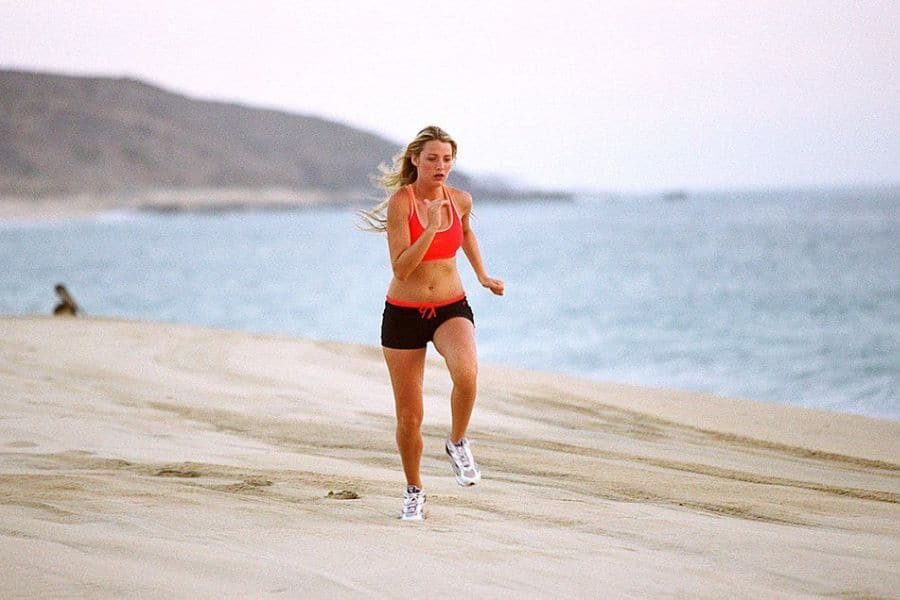
Importance of Proper Running Form
Impact on Running Economy
Getting your running form right is like finding the secret sauce to make your runs smoother and less tiring. Running economy is all about how much energy you burn at a certain pace. Studies show that your running style plays a big role in how efficiently you use energy and how well you perform (RunRepeat). By fine-tuning your form, you can run like a well-oiled machine, using less energy to keep up your speed.
| Factor | Impact on Running Economy |
|---|---|
| Proper Arm Swing | Cuts down energy use |
| Pelvic Alignment | Boosts stability |
| Foot Landing | Enhances propulsion |
Nailing your form means you can run longer without feeling like you’ve been hit by a truck, helping you reach those fitness milestones without breaking a sweat. It’s like getting more miles out of your gas tank.
Influence on Performance
Your running form is the secret weapon for upping your game. Improving your running economy can be as game-changing as boosting your VO2max when you’re chasing that personal best. Good form lets you run faster and more comfortably, both during and after your run.
Think of good form as free speed—no extra effort required. Busy athletes can sneak in running drills to sharpen their coordination and beef up those running muscles. Your form is a full-body dance with gravity. Swinging your arms right can fix a bunch of form hiccups and affect how your feet hit the ground, how your legs move, and how you lean forward while running (The Balanced Runner).
For more tips on getting your running form and performance in top shape, check out our articles on running techniques and running speed workouts.
Key Elements of Proper Running Form
Getting the hang of proper running form can really boost your running game, making it smoother and less likely to leave you hobbling around with an injury. Here’s what you need to keep an eye on:
Arm Swing Technique
Your arm swing is like the unsung hero of running, keeping you balanced, moving forward, and stopping you from twisting like a pretzel. Swing those arms from your hips to your chest, letting the shoulder joint do the heavy lifting (RunRepeat). Here’s why it matters:
- Balance: Swinging your arms right helps you stay upright, especially when the ground’s playing tricks on you.
- Forward Motion: Get those arms moving to help push your body forward.
- Energy Efficiency: Cut out the extra twists to save energy and keep your legs from feeling like lead.
If you’re swinging your arms like a robot, straight forward and back, you’re asking for trouble. It messes with your core, makes you work harder, and can leave you with tight shoulders and gasping for air.
Pelvic Alignment and Foot Landing
Keeping your pelvis in check and landing your feet right are big deals for running without a hitch. Your pelvis should be steady, not tilting or twisting all over the place. This helps with:
- Reducing Injury Risk: A steady pelvis means fewer injuries like stress fractures and muscle strains.
- Efficient Movement: Good alignment lets your legs move like a well-oiled machine.
Your feet should hit the ground right under you, with a little lean forward from your ankles. This helps with:
- Shock Absorption: Landing under your center of mass takes it easy on your joints.
- Forward Momentum: That slight lean keeps you moving forward without hitting the brakes.
Center of Mass Positioning
Where your center of mass (COM) hangs out is a big deal for your running form. Getting it right can make your run more efficient and less risky. Here’s what to keep in mind:
- Forward Lean: Lean a bit forward from your ankles, not your waist, to keep moving and avoid slowing down.
- Stability: Keep your COM over your feet to stay balanced and steady.
Swinging your arms the right way can lift your center of gravity, making you a bit wobbly, which actually helps keep you moving and steering like a pro.
By zeroing in on these elements, you can up your running form game, making your runs more fun and effective. For more running wisdom, check out our articles on running techniques and running tips for beginners.
Foot Strike Patterns in Running
Getting a grip on how your foot hits the ground is a game-changer for nailing proper running form. The way your foot smacks the pavement can make or break your running mojo and keep those pesky injuries at bay. Let’s break down the three main foot strike styles: heel, midfoot, and forefoot.
Heel Striking
Heel striking is the go-to move for most runners, with a whopping 90% of casual joggers opting for this style (Kinetic Revolution). Here, your heel is the first to meet the ground. This often goes hand-in-hand with over-striding, where your foot lands way out in front of your body.
While it might feel like the most natural way to run, heel striking can act like a speed bump, slowing you down and upping your injury chances. If you’re a heel striker, try shortening your stride and picking up the pace to ease the impact.
Midfoot Striking
Midfoot striking is when your foot lands almost flat, with both the heel and forefoot hitting the ground at the same time. This style is a favorite among distance runners and is showcased by top athletes like Eliud Kipchoge (Kinetic Revolution).
This method encourages a smoother run, cutting down on those jarring forces and spreading the impact across your foot. If you’re prone to over-striding, getting the hang of midfoot striking might take some practice. Keep your steps short and your cadence high to nail this technique.
Forefoot Striking
Forefoot striking is all about the balls of your feet hitting the ground first. Sprinters love this style for its quick and nimble feel. But watch out—it can put a lot of pressure on your calves and Achilles, which might spell trouble for long-distance runners (Kinetic Revolution).
Forefoot striking is great for short bursts of speed but might not be your best bet for a marathon. If this is your jam, make sure to warm up properly and strengthen those lower legs to keep injuries at bay.
| Foot Strike Pattern | Common Among | Benefits | Potential Drawbacks |
|---|---|---|---|
| Heel Striking | Casual Runners | Feels Natural | Slows You Down, Higher Injury Risk |
| Midfoot Striking | Long-Distance Runners, Pros | Smoother Run, Even Impact | Tricky if You Over-Stride |
| Forefoot Striking | Sprinters | Quick and Light | Strains Calves and Achilles, Risky for Long Runs |
Figuring out your foot strike style and tweaking it can boost your running game and help dodge injuries. For more running tips and tricks, check out our guides on running tips for beginners and common running injuries.
Running Form for Injury Prevention
Getting your running form right is like finding the secret sauce to keep injuries at bay and make your runs feel like a breeze. By honing in on a few key techniques, you can dodge those pesky injuries and run like the wind.
Stress Fracture Prevention
Stress fractures are those annoying little cracks in your bones that pop up from doing the same thing over and over, like running with bad form. To keep these fractures away, try landing closer to your body’s center. This nifty trick can cut down the chance of stress fractures by a smidge and ease up on the braking forces (RunRepeat).
Here’s how you can land closer to your center:
- Shorten Your Stride: Think of it like taking baby steps. This helps you land right under your body, easing the load on your bones and joints.
- Boost Your Cadence: Aim for a quick step rate, around 170-180 steps a minute. This keeps your stride short and lowers injury chances (NCBI).
- Strengthen Key Muscles: Work on your core, hips, and legs to keep your body stable and your feet landing just right.
Bouncing Reduction Techniques
Bouncing while running is like adding extra stress to your joints and muscles, which can lead to injuries. To keep your run smooth and efficient, try these tips:
- Stay Low: Keep your body close to the ground with minimal bouncing. This reduces joint stress and makes your run more economical.
- Tweak Your Stride Rate: A faster stride rate can lower your vertical movement, ground reaction force, and energy absorbed at your joints (NCBI).
- Swing Those Arms Right: Bend your arms at a 90-degree angle and swing them forward and back, not across your body. This helps you stay balanced and cuts down on unnecessary bouncing.
By weaving these techniques into your running routine, you can sidestep injuries and enjoy a smoother, healthier run. For more tips on nailing your running form, check out our articles on running techniques and running warm-up exercises.
| Technique | Benefit |
|---|---|
| Shorten Your Stride | Eases impact on bones and joints |
| Boost Your Cadence | Keeps stride short, lowers injury risk |
| Strengthen Key Muscles | Enhances stability and support |
| Stay Low | Lessens joint impact, boosts running economy |
| Tweak Stride Rate | Cuts down vertical movement and energy absorption |
| Swing Arms Right | Keeps balance, reduces bouncing |
For more on running and keeping injuries at bay, dive into our resources on common running injuries and running tips for beginners.
Improving Running Efficiency
Getting better at running isn’t just about speed; it’s about making your run smoother and less likely to cause injuries. Two things to keep an eye on are how fast your feet move and how big your steps are.
Cadence Adjustment
Cadence is all about how many steps you take in a minute while you’re running. Bumping up your step count by 5-15% can lighten the load on your body, cut down on muscle wear and tear, and help you land more on the middle of your foot, which is a good thing (RunRepeat). The magic number often tossed around is 180 steps per minute, but folks have been known to range from 155 to 203 steps per minute.
| Cadence (steps per minute) | Impact Load Reduction | Muscle Damage Reduction |
|---|---|---|
| 155 | Moderate | Moderate |
| 180 | High | High |
| 203 | Very High | Very High |
Upping your cadence can mean less bouncing around, less force hitting the ground, and less stress on your hips, knees, and ankles (NCBI). Basically, it makes running easier on your body.
To tweak your cadence, start by counting your steps for a minute while running at a pace that feels good. Slowly increase your steps per minute by 5-10% until you hit your target. A metronome or music with a specific beats per minute (BPM) can keep you on track. For more tips, check out our article on running techniques.
Stride Length Modification
Stride length is how far you go with each step. Changing it up can make a big difference in how efficiently you run and how likely you are to get hurt. Research shows that taking more steps (shortening your stride) can lower the risk factors tied to running injuries.
| Stride Length | Center of Mass Vertical Excursion | Ground Reaction Force | Energy Absorbed at Joints |
|---|---|---|---|
| Long | High | High | High |
| Medium | Moderate | Moderate | Moderate |
| Short | Low | Low | Low |
Shortening your stride means less up-and-down movement, which saves energy and makes your running form more efficient. Plus, shorter strides mean less time your feet spend on the ground, reducing the impact on your joints and muscles.
To change your stride length, aim for shorter, quicker steps while keeping your cadence steady. This will help you run more efficiently and lower your injury risk. For more info on improving your running form, visit our article on running tips for beginners.
By tweaking your cadence and stride length, you can make your runs smoother and healthier. Listen to your body and make changes gradually to avoid overdoing it. For more resources, check out our articles on running warm-up exercises and running endurance workouts.
Running Form Drills for Improvement
Strides Drill
Strides are like a dance with speed. You start slow, then gradually pick up the pace over 30-40 meters, hitting your stride without going full throttle. Keep it smooth and controlled for another 40-60 meters. The aim? Make it look like a breeze, no sweat, no strain. This drill is your ticket to better running form and efficiency.
Power Skips Exercise
Power skips are all about getting some air. Drive that knee up like you’re trying to touch the sky and push off the ground with gusto. It’s all about moving forward with oomph. This drill is your secret weapon for boosting explosive power and coordination.
Carioca Drill
Carioca is your sideways shuffle. It’s like a dance move that gets your coordination on point and works those side muscles. Cross your trailing leg in front, then behind, all while moving sideways. It’s a workout for your agility and lateral movement, making you nimble like a cat.
Bounding Technique
Bounding is the big leagues of running drills. Think of it as exaggerated running, where you leap with purpose, covering both height and distance with each stride. It’s a power-packed drill that amps up your strength and running economy.
Butt Kicks Drill
Butt kicks are all about getting those heels up. Imagine your heel aiming for the bottom of your butt or the top of your hamstrings. Let your knee move forward smoothly. This drill is your go-to for improving leg turnover and running form.
For more tips on getting your running game strong, check out our articles on running techniques and running warm-up exercises.