

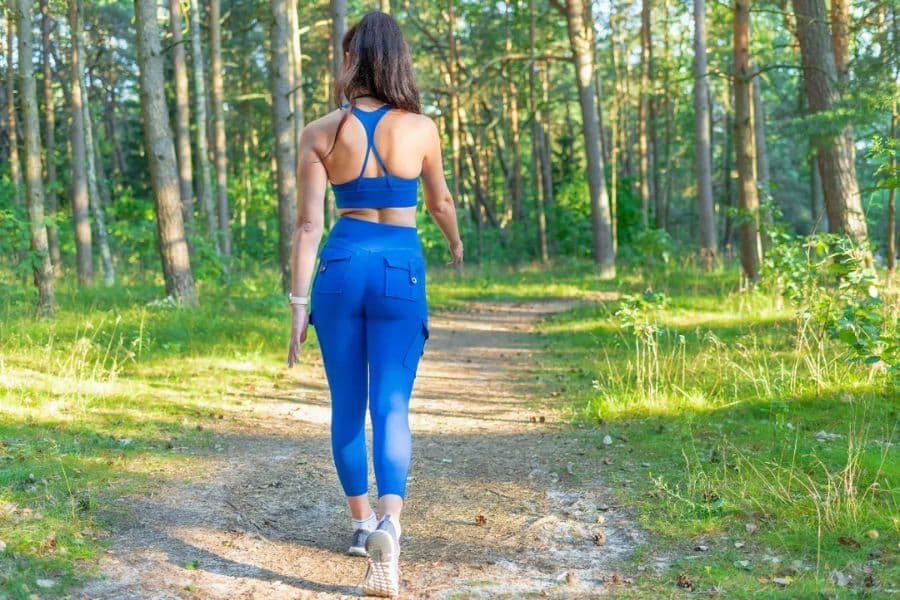
Benefits of Walking Exercise
Walking is like that old friend who’s always there for you—reliable, easy-going, and surprisingly beneficial. It’s a top-notch way to boost your health without needing a gym membership or fancy gear. Let’s chat about how a good walk can keep your heart ticking and help shed those extra pounds.
Improving Heart Health
Getting your heart in shape can be as simple as putting one foot in front of the other. A brisk walk does wonders for your ticker. It builds stamina, torches calories, and gets your heart pumping like a well-oiled machine. The more you walk, the better you feel. Throw in some interval training—switching between fast and slow walking—and you’ll be on your way to a healthier heart and a slimmer waistline (Mayo Clinic).
A big study found that walking at a moderate pace can be just as good as running when it comes to lowering the risk of high blood pressure, cholesterol, and diabetes. The quicker you walk, the more you cut down those risks.
The 2018 Physical Activity Guidelines for Americans suggest adults with chronic conditions should aim for 150-300 minutes of moderate exercise each week. Walking fits the bill perfectly, helping with blood pressure, BMI, and slashing the chances of diabetes, stroke, heart disease, and early death (Harvard T.H. Chan School of Public Health).
Weight Loss Benefits
Want to lose weight without breaking a sweat? Walking’s got your back. A brisk walk for about 3 hours a week can trim down your weight, BMI, waistline, and fat, especially if you’re under 50. Women over 50 might not see the scale drop as much, but they’ll gain muscle (Harvard T.H. Chan School of Public Health).
Even a little extra walking can help you lose weight. Hitting 15,000 steps a day can lower the risk of metabolic syndrome, while 10,000 steps can help with weight loss and lift your spirits (Healthline).
| Walking Routine | Benefits |
|---|---|
| Brisk Walking (3 hours/week) | Sheds weight, trims BMI, slims waist, cuts fat |
| 15,000 Steps/Day | Lowers metabolic syndrome risk |
| 10,000 Steps/Day | Helps with weight loss and boosts mood |
Want to make walking a part of your life? Check out our tips on walking exercise routine and walking exercise for weight loss.
Enhancing Your Walking Workout
Interval Training
Want to spice up your walking routine? Interval training is your ticket to a more effective workout. It’s all about mixing short bursts of fast-paced walking with slower, chill strolls. This method not only boosts your heart health but also helps you torch calories and build stamina (Howdy Health).
Picture this: you power walk for a minute, then slow it down for two. It’s like a dance that keeps your workout fresh and fun. Plus, the Mayo Clinic says you can get more bang for your buck in less time compared to regular walking.
| Interval Training Plan | Duration |
|---|---|
| Warm-up (easy walk) | 5 minutes |
| Power walk | 1 minute |
| Easy walk | 2 minutes |
| Repeat intervals | 20 minutes |
| Cool-down (easy walk) | 5 minutes |
Looking for more ways to jazz up your walking routine? Check out our walking exercise routine guide.
Engaging Upper Body
Why let your legs have all the fun? Get your upper body in on the action to supercharge your walk. Adding some arm movements can crank up the calorie burn, tone those muscles, and give your fitness a nice boost.
Here’s how to get your arms in the game:
- Arm Swings: Swing those arms like you mean it! It’ll get your heart pumping and work those upper body muscles.
- Carrying Weights: Grab some light dumbbells or strap on wrist weights. It’s like giving your arms a mini workout while you walk. Curious? Dive into our walking exercise with weights article.
- Nordic Walking Poles: These poles are your secret weapon for a full-body workout, engaging your arms, shoulders, and core.
| Upper Body Engagement | Benefits |
|---|---|
| Arm Swings | Boosts heart rate, works upper body muscles |
| Carrying Weights | Tones arms and shoulders, adds resistance |
| Nordic Walking Poles | Full-body workout, targets arms, shoulders, and core |
Turn your walk into a full-on workout with these moves. For more tips on leveling up your walking game, check out our walking exercise tips section.
By mixing interval training and upper body moves into your walk, you’re not just strolling—you’re stepping up your health game. Whether you’re looking to shed pounds, strengthen your heart, or boost endurance, these tricks can help you hit your targets.
Maximizing Walking Benefits
Varying Terrain
Mixing up the ground you walk on can spice up your workout and keep things fresh. Walking on grass, sand, or gravel isn’t just a change of scenery; it gives your muscles a new challenge and helps you stay steady on your feet. Plus, it keeps boredom at bay and makes your routine more fun.
| Terrain Type | Benefits |
|---|---|
| Grass | Cushions your steps, easy on the joints |
| Sand | Makes you work harder, builds muscle |
| Gravel | Tests your balance, works stabilizing muscles |
| Hills | Boosts heart health, burns extra calories |
Tackling hills during your walk can really crank up the workout. Going uphill gets your glutes, hamstrings, and calves working overtime compared to flat ground. This means more calories burned and stronger legs. If you’re more of an indoor person, try a treadmill with an incline to mimic hill walking. Check out our guide on indoor walking exercise for more tips.
Adding Resistance Exercises
Throwing in some resistance exercises can take your walking workout to the next level. Think lunges, squats, or resistance bands—they’re great for building muscle and boosting your fitness game.
| Exercise | Benefits |
|---|---|
| Lunges | Tones legs and glutes, helps with balance |
| Squats | Strengthens lower body, stabilizes core |
| Resistance Bands | Adds a challenge, shapes muscles |
| Arm Weights | Works upper body, burns more calories |
Using light hand weights or wrist weights while you walk can give your upper body a workout and make your walk more intense. This means more calories burned and better muscle tone. For more on adding weights to your walk, check out our article on walking exercise with weights.
Switching up the terrain and adding resistance exercises can really amp up your walking workout. These tricks can help you hit your fitness goals faster and keep your routine lively. For more tips on making the most of your walking exercise, dive into our walking exercise tips and walking exercise routine articles.
Tips for Effective Walking
Walking is like the Swiss Army knife of exercise—simple yet packed with benefits. It can help you shed those extra pounds and keep your heart ticking like a well-oiled machine. To really cash in on these perks, you gotta stretch out your walks and nail the right technique.
Extending Walk Duration
Think of your walks like a Netflix series—start with a short episode and gradually binge longer ones. The more you walk, the more your body will thank you. Regular brisk walking is like a magic potion for your heart, stamina, and waistline. The faster and farther you go, the more you’ll feel the love from your body.
The health gurus suggest aiming for at least 30 minutes of moving and grooving each day, or 60 minutes if you’re feeling ambitious. Even a quick stroll can lift your spirits and boost your energy. To keep the motivation train rolling, set small goals, pencil in your walks, and slowly up your game.
| Walking Time | Perks |
|---|---|
| 10 minutes | Mood booster, energy kick |
| 30 minutes | Heart health, calorie burn |
| 60 minutes | Stamina boost, weight loss |
For more on stretching your walks, check out our walking exercise tips.
Proper Walking Technique
Walking right is like dancing—get the moves wrong, and you might step on your own toes. Here’s how to strut your stuff:
- Posture: Stand tall like you’re balancing a book on your head. Keep those shoulders loose and eyes on the prize ahead. No slouching!
- Arm Swing: Bend those elbows and let your arms swing like a pendulum. It helps you pick up the pace and works your upper body.
- Footwork: Go heel to toe, like you’re sneaking up on someone. Heel hits first, roll through, and push off with your toes.
- Stride: Keep it natural, like you’re walking to the fridge. Overreaching can lead to ouchies.
Good form not only makes your walk more effective but also keeps injuries at bay. For more on walking tall, see our walking exercise for posture.
By stretching your walks and perfecting your technique, you’ll get the most out of your walking routine. For more tips and tricks, explore our articles on walking exercise routine and walking exercise benefits.
Motivation and Progress Tracking
Keeping your spirits high and tracking your progress are the secret sauce to making walking a staple in your exercise routine. Here’s how you can set goals and keep tabs on your achievements without breaking a sweat.
Setting Goals
Goals are like the GPS for your walking routine—they keep you on the right path. Start with goals that are as easy as pie and then crank them up as you get stronger and more confident. Maybe you start with a 15-minute stroll each day and work your way up to 30 minutes.
To keep the fire burning, pick specific times for your walks and give yourself a pat on the back for hitting those milestones. It could be as simple as treating yourself to a little something special or bragging about your progress to friends and family. Personal goals can sneak more walking into your day, making it a breeze to stick with it (Mayo Clinic).
Tracking Metrics
Jotting down your walking stats can be a real mood booster and help you see how far you’ve come. Keep an eye on things like steps, distance, and time. Whether you use a fancy gadget, an app, or just a good old notebook, tracking can be your best buddy (Mayo Clinic).
Here’s a handy table to help you keep track:
| Metric | Description | Example |
|---|---|---|
| Steps Taken | Number of steps walked | 10,000 steps/day |
| Distance Walked | Total distance covered | 5 miles/day |
| Time Spent Walking | Duration of walking session | 30 minutes/day |
Keeping tabs on these numbers can keep you pumped and show you the progress you’re making. Plus, it can point out where you can step up your game and set new goals. For more walking wisdom, check out our article on walking exercise tips.
By setting goals and tracking your progress, walking can become a fun and fulfilling part of your exercise routine. Whether you’re walking to shed pounds, boost heart health, or just feel good, these tips can help you stay on track and hit your targets. For more on crafting a walking plan, swing by our article on walking exercise plan.
Walking for Mental Health
Walking isn’t just about getting from point A to point B; it’s a secret weapon for your mental health. Adding a sprinkle of nature and a dash of sunlight to your stroll can work wonders for your mood and overall well-being.
Nature Walk Benefits
Taking a walk in the great outdoors can lift your spirits more than a stroll through the concrete jungle. Nature has this magical way of making you feel better, and it’s not just about soaking up some extra rays. It’s the whole vibe—the trees, the birds, the fresh air—that gives your mood a serious boost.
| Environment | Mood Improvement |
|---|---|
| Nature | High |
| Urban | Moderate |
Nature walks are like a mini-vacation for your mind. They can help you chill out, ease anxiety, and kick depression to the curb. The peacefulness of natural settings can lower those pesky stress hormones, leaving you feeling calm and collected. Plus, the fresh air and beautiful scenery are like a big, warm hug for your soul.
Want to make nature walks a regular thing? Check out our article on outdoor walking exercise for some handy tips.
Light Therapy Effects
Light therapy isn’t just for fancy clinics; it’s something you can easily incorporate into your daily walks. It’s a game-changer for mood swings and sleep troubles, especially when the seasons mess with your head. Catching some rays while you walk can help reset your internal clock, making you sleep better and feel happier.
| Therapy Type | Effectiveness |
|---|---|
| Light Therapy | High |
| No Light Therapy | Low |
Getting your dose of light therapy can be as simple as timing your walks when the sun’s out. If you’re stuck in a place where the sun plays hide and seek, a light therapy box can be your best friend.
For more ways to jazz up your walking routine, swing by our article on walking exercise tips.
Mixing nature walks with light therapy in your exercise routine can be a real mood booster. Try different spots and times to see what makes you feel the best. For more cool stuff, check out our articles on walking exercise for weight loss and walking exercise benefits.