
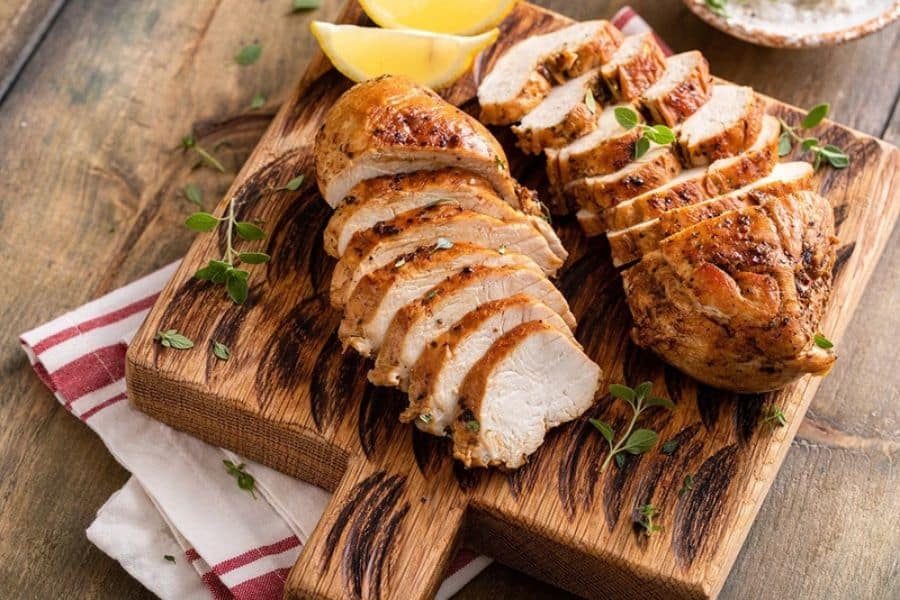
High-Protein Diet and Longevity
How Protein Affects Your Lifespan
Eating more protein sounds simple enough, but depending on your age, it might not always be a good idea. If you’re between 50 and 65, loading up on protein might give you some extra health woes. People in this age group who packed in lots of protein saw their chance of kicking the bucket rise by 75% and had a four times higher risk of cancer-related deaths over the next 18 years compared with folks sticking to low-protein diets.
| Age Group | Increase in Overall Mortality | Increase in Cancer Mortality |
|---|---|---|
| 50-65 | 75% | 4x |
But hang on! The tables turn after you cross 65. In that age bracket, munching on more protein drastically improves things. It cuts your chances of dying from any kind of natural cause by 28% and trims the risk of dying from cancer right down by 60%! Cheers to that.
| Age Group | Reduction in Overall Mortality | Reduction in Cancer Mortality |
|---|---|---|
| 65+ | 28% | 60% |
Looks like what’s good for your older self might not be so hot in middle age.
Protein’s Age-Dependent Perks and Pitfalls
Your age has a big say in whether a high-protein diet is gonna help you or trip you up. For the young 50-somethings, watch that protein. Too much might be nudging you toward health issues and, unfortunately, a shorter life. Balance is your buddy if you’re in this stage of life.
However, if you’ve celebrated your 65th birthday or more, diving into protein helps you out. It’s like armor – lowers death risks and gives cancer a one-two punch. Protein helps you hang on to muscle and keeps your body purring, which may explain why the golden years love more protein.
Curious if a high-protein way of life is your ticket to healthy aging? Swing by our website to explore more of what’s true for your age group. To ease into upping the protein in your life, check out our how to start a high-protein diet guide.
By syncing your protein intake with your age, you can ride the benefits and avoid the traps of protein. Mosey over to our lists of best high-protein foods, or dig into the high-protein diet for weight loss for some tailored meal plans. You’ll be on track to fittingly fuel your diet with protein savvy.
Protein Intake and Disease Risks
Link Between High-Protein Diet and Diabetes
So you’re thinking about upping your protein game? Watch out for those sneaky pitfalls like diabetes when diving into high-protein territory. Studies hint at a whole five-times higher chance of diabetes-related deaths for big protein fans across the board of age groups. Pretty wild, huh? (NIH Research Matters). Pick your protein wisely to dodge these life-ending curves.
Getting that balance between high-protein perks and risks is like walking on a tightrope, especially if turning back the clock on your “graceful” aging is your thing. Keep an eye on health markers to decide what your munchies should be.
Effects of Protein Intake on Tumor Progression
Animal proteins, who knew they’re up to no good when it comes to cancer? Gobble those and your chances of joining the big “C” club are higher, according to researchers (PMC). But, sprinkle more plant proteins into your day, and voila! Your overall chance of clocking out early takes a nosedive.
Pro-tip: choosing your protein type carefully plays a biggie in lasting longer and dodging those nasty diseases all cocked to pounce as we age.
Protein Source and Cancer Risk Table
| Protein Source | Cancer Mortality Risk |
|---|---|
| Animal Protein | Higher |
| Plant Protein | Lower |
Stats courtesy (PMC)
Craving more on how plants can power you? Feast your eyes on our best high-protein foods write-up.
In your quest to outsmart time with an anti-aging routine, be sure to sniff around our info on high-protein diet and anti-aging tricks. And hey, our goodies on high-protein diet and weight loss plus high-protein meal ideas are ripe for the picking if you’re hungry for more juicy tidbits!
Protein Sources and Getting Older
Eating a high-protein diet could help you dodge the age bullet, believe it or not! What kind of protein you munch on, and the goodies they come packed with, can really make a difference in how you age.
Foods That Pack a Punch for Looking Young
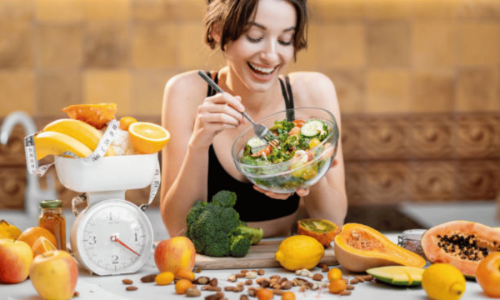
Getting some nutrient-packed grub can give you the vitamins and minerals you need to stay spry and healthy. Here are some favorites:
-
Broccoli: This little green tree is loaded with vitamin C, lutein, vitamin K, and calcium. They work together to give your skin a boost, help you remember where you left your keys, and keep your bones strong.
-
Red Bell Peppers: Thanks to their high antioxidant content, these peppers do wonders for your skin. They’re packed with carotenoids that fuel collagen production and fight off inflammation, which means better skin health for you (Healthline).
-
Spinach: You won’t turn into Popeye, but this leafy green’s antioxidants and high levels of vitamins C, A, and K are great for skin, eyes, and maybe even that receding hairline.
-
Sweet Potatoes: All the beta-carotene and vitamins C and E in these orange beauties can help your skin bounce back. They keep your skin cells fresh and shield them from damage.
-
Avocados: Slippery but healthy, avocados are rich in fatty acids that tackle inflammation and do wonders for your skin. Eating these as part of your daily routine could give your skin the glow-up it deserves.
Perks of Plant Proteins
Plant-based proteins aren’t just for vegetarians; they offer good-for-you effects like a smoother path to aging gracefully. Here’s a taste:
-
Less Inflammation: Most plant proteins have low saturated fats, which means less inflammation in your body. Keeping inflammation in check could help fend off age-related problems.
-
Lots of Antioxidants: Legumes, nuts, seeds, you name it—lots of plant proteins are antioxidant-rich. They’re the little soldiers battling free radicals, cutting down oxidative stress, and possibly slowing aging.
-
Happy Heart: Lentils, chickpeas, and quinoa have got your heart’s back. They pack fiber and nutrients that help your old ticker, lowering heart disease risks.
| Food Source | Key Nutrients | Anti-Aging Benefits |
|---|---|---|
| Broccoli | Vitamin C, K, Calcium | Collagen boost, strong bones |
| Red Bell Peppers | Carotenoids, Antioxidants | Better skin, calm inflammation |
| Spinach | Vitamins C, A, K | Tighter skin, eye power |
| Sweet Potatoes | Beta-carotene, Vitamins C, E | Skin flexibility, fresh cells |
| Avocados | Fatty acids, Essential goodies | Healthy skin, less swelling |
Bringing these nutritious bites and plant proteins into your high-protein diet could help you on your way to feeling young and fresh again.
If you’re noodling on some high-protein diet meal plans for weight loss or curious about starting a high-protein diet, have a look-see at our other reads.
Protein Restriction and Longevity
Wrapping your head around how high-protein diets connect to staying young longer means figuring out if cutting back on certain proteins could help you live longer. Focus on two main characters here: methionine and BCAAs (Branched-Chain Amino Acids).
Role of Methionine Restriction
Methionine is like the VIP guest at the protein party, mostly found in meats and animal products. Cutting back on methionine, scientists say, can help you live it up longer than the norm (PMC). This trick reportedly shifts your body’s gears, so it stresses less from oxidants and cleans up cells—pretty important if you’re trying to cheat old age.
Rodents living their best life in labs have shown that less methionine stretches their timelines, mimicking the renowned calorie-restricted diet’s headlining benefits on longevity.
| Creature | Life Gets Longer with Less Methionine |
|---|---|
| Yeast | Up to 30% higher |
| Mice | Up to 20% higher |
| Rats | Up to 15% higher |
Tidbit to Ponder: Packing your plate with animal proteins, high in methionine, might raise your risk for nasties like cancer. But if you lean green, sticking to plant proteins could mean you apply the brakes on mortality quicker.
Chomping down on those greens to dodge methionine while still puffing up your protein intake? Check our scoop on vegetarian high-protein diet.
Effects of BCAA Restriction
BCAAs—your muscle-building power-trio made up of leucine, isoleucine, and valine—get muscle heads raving, but cutting them back might be a secret longevity potion (PMC).
Now, popping BCAA pills boosts our energy makers—the mitochondria can handle less stress too. Yeah, they’re good for gains, yet going overboard might wrangle your metabolism after some time—important reckonings in staying disease-free as you age.
Mouse tests showed promising shinier, longer lives when BCAAs were dialed down. And guess what? Doing so gets your body humming in perfect tune, with health metrics shooting up.
| Health Outcome | BCAA Cutback vs. Going Full-Throttle |
|---|---|
| Lifespan | Goes up (with cutback) |
| Metabolic Wellbeing | Better (with cutback) |
| Muscle Loss in Old Age | Less (with supplements for seniors) |
| Sugar Metabolism | Better (with cutback) |
Eyebrow-Raiser: Sure, BCAAs act like sprinters speeding muscle recovery, yet trimming them might be the longevity hack you’ve been sleeping on. Curious about balancing this act while beefing up? Peek at our roadmap on high-protein diet plan for muscle gain.
Tune how you eat protein to help you dodge aging’s shadow and push up your health points. Figuring out how methionine and BCAA restrictions work can be your secret sauce for staying fabulous and stretching your years—maybe not quite eternally, but pretty darn close!
Protein Recommendations and Health Benefits
Optimal Protein Intake Levels
Getting your head around the right amount of protein you need is like finding the secret ingredient in grandma’s stew – it makes all the difference! For starters, the basic rule of thumb is 0.8 grams per kilogram of your body weight each day, but that’s just to keep your head above water. Recent studies are shouting that eating 1.0 to 1.5 grams could make you feel like Superman, or at least help keep your muscles in shape as you age (NCBI). Especially for those who’ve earned a couple of wrinkles, this could be as good as finding the fountain of youth.
| Age Group | Bare Minimum (g/kg/day) | Feeling Spiffy (g/kg/day) |
|---|---|---|
| Everyone | 0.8 | 1.0 – 1.5 |
| Wise Elders | 0.8 | 1.0 – 1.5 |
Eating enough protein isn’t just about becoming the Hulk. It keeps your muscles happy, your stomach full, and who knows, maybe it’ll add a few more candles to your birthday cake. If you’re curious about how to spread your protein intake across the day, snoop through our articles on high-protein diet for men and high-protein diet for women.
Protein’s Impact on Weight Loss
Protein isn’t just for those wanting to be gym warriors; it’s also a trusty sidekick in the battle of the bulge. Pumping up your diet with protein, about 27-35% of your daily calories, can help you shed those extra pounds, trim the fat, and keep muscle intact like a personal bouncer.
| Protein Guzzle (% of daily energy) | Weight Drop | Fat Cut | Lean Muscle Halo |
|---|---|---|---|
| 27-35% | Top-tier | Prime | Stellar |
| Under 27% | So-So | Meh | Decent |
Protein’s not just muscle fuel—it’s also a stomach soother. Eating around 30 grams per meal can keep the munchies at bay better than a Big Brother marathon. It turns sticking to a lower-calorie diet into a walk in the park rather than a marathon run.
So, if trimming down is the name of the game, consider calling up some protein reinforcements in your menu. We’ve got more juice on this topic at high-protein diet for weight loss.
Getting enough protein daily is like setting your sails for a smooth journey to better health. Whether you’re in the weight-loss race, watching your muscles, or just trying to keep hunger away, knowing how much protein to include is your map. For more protein-packed info, take a peek at high-protein diet meal ideas and best high-protein foods.
Protein Distribution for Aging Adults
Think of protein as the superstar act in your dietary show, especially as the years roll by. To keep muscles sturdy and fine, grasp how protein spread across meals can jazz up the golden years. Let’s break down the prime protein routine for keeping that muscle tone and feeling full after chowing down.
Protein Threshold for Muscle Maintenance
For those a bit longer in the tooth, keeping muscle — and all its perks — is a big deal. The buzz from the latest science suggests gulping down about 30 grams of protein per meal hits the sweet spot for jazzing up muscle growth, keeping the munchies in check, and shedding some of that extra padding (NCBI). Doling out your protein throughout the day, say in 3-4 protein-packed eats totaling around 30 grams each, can work wonders on keeping lean and managing weight.
| Meal | Protein (g) |
|---|---|
| Breakfast | 30 |
| Lunch | 30 |
| Snack | 15 – 30 |
| Dinner | 30 |
Peek at this meal plan to see how protein might stack up in a day. Hitting the magic 30 grams can help older adults stay spry with a solid body mass and keep those extra pounds in check.
Satiety Effects of Protein Intake
Munching meals with that golden 30 grams of protein can make you feel fuller than a Thanksgiving turkey, compared to lighter protein snacks (NCBI). This is ace news for folks looking to get a grip on their waistlines.
Research flips up that stuffing your diet with high protein amounts, so around 27-35% of the day’s fuel, is linked with losing more weight and stubborn fat, yet clinging onto that lean muscle (NCBI). It’s a snazzy strategy for ramping up that full feeling and trimming down calorie nibbling.
Curious about how a high-protein menu can be your ally in the weight battle? Shimmy over to our piece on high-protein diet and satiety.
Understanding the sweet spot for protein magic and its knack for muscle and appetite control can tune your high-protein chow for vibrant aging. Dig deeper into the best high-protein foods and crafted high-protein diet meal plans for weight loss to fine-tune your dietary jazz.