

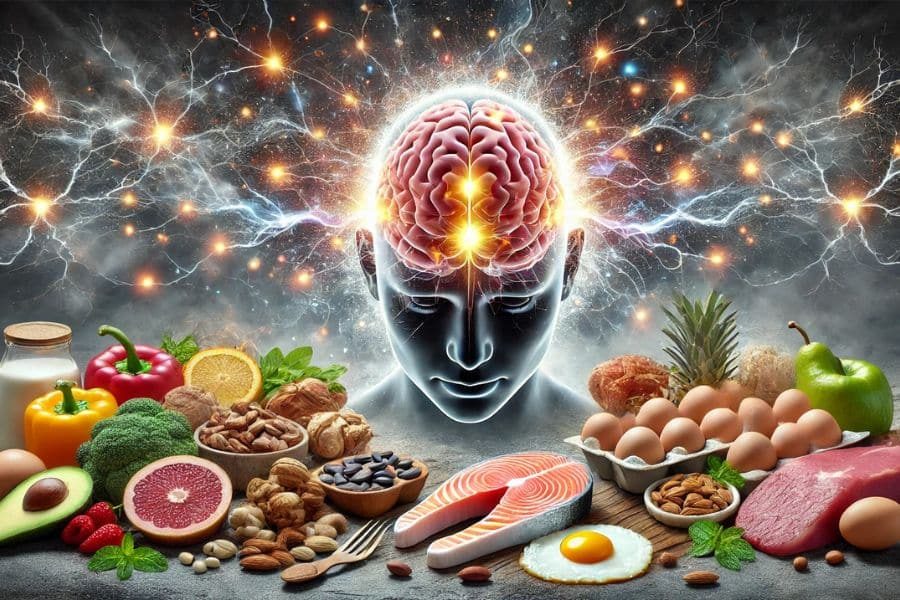
Benefits of a High-Protein Diet
Ever catch yourself wondering how chowing down on more protein might jazz up your brainpower and boost your mood? Well, strap in, because I’m here to spill the beans (and some steak, maybe) on how upping that protein game can be your brain and emotional cheerleader.
Protein and Cognitive Health
Seriously, your noggin loves protein like a kid loves candy. Some smarty-pants researchers over at Harvard kept tabs on more than 77,000 men and women for over two decades. What did they find? Munching on protein was like giving a big middle finger to cognitive decline. More precisely, swap just 5% of those carbs for animal protein, and your chances of facing dementia shrink by 11%. Even cooler, switch in some plant protein, and you’re looking at a whopping 26% lower risk of cognitive decline. Who knew beans were your brain’s best friends, right?
Now, let’s talk about those beans and legumes—peas and lima beans are the MVPs here. Adding three more servings a week could cut your risk of cognitive problems by 28%. So next time, don’t skip the peas, alright?
Impact on Mental Health
Now, let’s have a little chat about your mental mojo. Your brain craves amino acids found in proteins for this symphony of chemicals called neurotransmitters. They’re the backstage crew making sure your thoughts and feelings hit the right notes. Think cheese, milk, nuts, and seeds—they’re not just tasty; they’re mental health powerhouses.
Run low on these amino acids, and your serotonin and norepinephrine levels might nosedive—a misstep toward feeling blue. So, loading up on protein could be your natural cheer-up juice, keeping those depressive clouds at bay.
There’s a twist though—the type of protein matters, like, a lot! A little birdie from a study whispered that women eating more animal protein might tip into anxiety or depression zones. But those sticking to plant protein seemed to keep their spirits jazzed-up and stable. So, your protein source could be the key—steak or spinach? Your choice might matter more than you think!
Check out this easy-peasy table summing it up:
| Type of Protein | Effects on Mental Health | Source |
|---|---|---|
| Animal Protein | More anxiety and depression vibes | BMC Public Health |
| Plant Protein | Keeps cognitive decline away (26%) | Harvard Health Publishing |
| Beans & Legumes | Fights off cognitive decline (28%) | Harvard Health Publishing |
Need some meal inspiration? Check out our high-protein diet meal ideas or peep our weight loss plans. So go on, mix in some extra protein and give your brain and mood a hearty handshake!
Protein and Nutritional Choices
When you’re chowing down on a high-protein diet, you might not immediately think about how those choices impact your mind. But believe it or not, packing your meals with the right nutrients can do wonders for keeping both your brain and body happier.
Diets for Mental Well-being
Keeping those hunger pangs in check with regular meals and snacks that release energy like a slow drip can zap away the grumpies and blues. Stuff like whole grains, oats, and fruit can keep your battery charged just right.
Mix in some protein along with these slow-burn goodies for an added boost. We’re talking lean meats, fish, eggs, beans, and dairy, which all have the building blocks that keep your noggin sharp. Find fun high-protein diet meal ideas to mix things up in the kitchen.
Those nifty Omega-3 and Omega-6 fats are keys to a happy brain, thanks to things like oily fish, seeds, nuts, and dark greens. Sprinkle them into your day alongside your protein pals, and your brain will thank you (Mind).
Inflammation and Mood
Time to chat about how your grub can mess with or mend your mood. Too much sugar and heavily processed bites can stir up inflammation, which isn’t just a buzzword—it can mess with your headspace and mood, sparking up anxiety and cloudiness (Sutter Health). Hitting the bag of chips during stress binges can only turn the screw tighter on your mental health.
But wait, there’s hope! Omega-3 fatty acids can be your body’s chill pill, warding off irritation that might cloud your mood. Some research hints that these healthy fats could be key to handling depression’s tricky ways, though we’ll admit studies play it a little loosey-goosey (NCBI).
Got your curiosity piqued? Scope out this handy table that spells out the anti-inflammatory perks of munching on certain foods:
| Food Type | Nutrients | Anti-inflammatory Properties |
|---|---|---|
| Oily Fish | Omega-3 Fatty Acids | Chills out inflammation and props up brain health |
| Nuts and Seeds | Omega-3 and Omega-6 Fatty Acids | Essential fats to fuel brain gears |
| Dark Green Vegetables | Fiber, Vitamins A, C, E, and K | Antioxidant-rich and inflammation busting |
| Whole Grains | Fiber, B Vitamins | Stabilizes your energy, smoothing out sugar highs |
If you’re all about the deets on eating for your mood and muscling up on your proteins, take a look at our tasty reads on high-protein diet for weight loss, best high-protein foods, and how fiber fights the blues. These goodies will arm you with the know-how to keep you healthy, happy, and humming along smoothly.
Role of Amino Acids
Amino Acids and Neurotransmitters
Eating a high level of protein ain’t just about bulking up; it’s all about keeping you chipper and sharp upstairs. Amino acids, those tiny building blocks of proteins, are the unsung heroes here. They get busy creating neurotransmitters, the brain chemicals that keep you thinking straight and feeling right. Without ’em, chemicals like serotonin, dopamine, and norepinephrine can’t do their job of keeping your moods in check (Mind).
Take tryptophan for instance—it’s a key player that kicks off the creation of serotonin. Think of serotonin as your brain’s mood ring. Low levels of tryptophan could mean low serotonin, which might make you feel a bit blue (NCBI).
| Neurotransmitter | Amino Acid Precursor |
|---|---|
| Serotonin | Tryptophan |
| Dopamine | Tyrosine |
| Norepinephrine | Tyrosine |
| GABA | Glutamate |
Getting enough amino acids in your meals isn’t just good sense—it’s a way to keep your mental gears greased and running smooth. Pay attention to how these amino acids and neurotransmitters buddy up, and you’ll see why high-protein diet meal ideas deserve a spot in your meal rotation.
Essential Proteins for the Brain
Your noggin craves certain proteins to keep its wheels turning right. These proteins dish out the amino acids needed to crank out neurotransmitters and keep your brain ticking over nicely. Big names include proteins loaded with tryptophan, tyrosine, and glutamate.
- Animal Proteins: Meats like chicken and fish stock you up with tryptophan and tyrosine, crucial for serotonin and dopamine. Just remember, too much of a good thing might keep tryptophan from reaching your brain (BMC Public Health).
- Plant Proteins: Lentils, beans, and quinoa serve up the goods, giving you essential amino acids without the baggage that sometimes tags along with animal proteins. If you’re going the plant-based route, a vegetarian high-protein diet can still do wonders for your mental balance.
Choosing a wide array of these protein-packed foods can really help keep your mental health in check. For a deeper dive, swing by our rundown of the best high-protein foods.
| Food Source | Amino Acid Content (mg/g) |
|---|---|
| Chicken Breast | 1700 mg of Tryptophan |
| Beef | 1000 mg of Tyrosine |
| Lentils | 300 mg of Glutamate |
| Quinoa | 500 mg of Tryptophan |
Eating these essential proteins regularly not only tops up your neurotransmitter levels; it brings a boost to your brain’s horsepower and your overall mood. For the full lowdown on why a high-protein diet rocks, make sure to check out our piece on high-protein diet benefits.
Dietary Factors and Mental Health
Being in the know about how what you eat affects your noggin is important, especially if you’re interested in what a high-protein diet does for your brain. The grub you chow down on fuels your brain power and emotional groove. Let’s break down how munching on fiber and omega-3s can jazz up your mental health.
Fiber and Depression Risk
Packing your plate with fiber could lower your chances of feeling blue. You’ll find lots of fiber in fruits, veggies, whole grains, and beans (Sutter Health). Fiber is pretty smart—it keeps your blood sugar on an even keel, and when your blood sugar’s steady, your mood and energy don’t rock the boat too much.
| Food | Fiber Content (per 100g) |
|---|---|
| Lentils | 8g |
| Chickpeas | 7.6g |
| Quinoa | 2.8g |
| Apples | 2.4g |
Nixing processed munchies, often fiber-shy, could give your brain a shiny boost. Ditching high-sugar and refined flour treats might curb those pesky cravings and keep your mood sailing smoothly.
Omega-3 Fatty Acids and Mood
Omega-3s are like brain fuel, hanging out in salmon, walnuts, and chia seeds, to name a few. Regular munching of these does wonders in calming the mind, dialing down anxiety and the blues (Sutter Health).
Here’s a look at foods bursting with omega-3s:
| Food | Omega-3 Content (mg per 100g) |
|---|---|
| Salmon | 2260mg |
| Walnuts | 2542mg |
| Chia Seeds | 17820mg |
| Flaxseeds | 22813mg |
Regularly noshing on omega-3-rich goodies could really pep up your mood. And when you mix them with a protein-packed diet, it’s a win-win for your body and your mind.
Make sure you’re loading up on fiber and omega-3s for better mental vibes. Check out more on protein diet plans for shedding pounds or benefits of a protein-heavy diet to max out those brainy perks.
Protein Intake and Mental Well-being
Did you know what you eat affects how your brain works? Chowing down on protein could seriously give your mood and mind a lift. Let’s wrap our heads around why loading up on protein and staying full can make you feel better overall.
How Protein-Packed Meals Help
Eating lots of protein does wonders for your brain. Proteins break down into amino acids, which your brain loves for making those feel-good chemicals. Think of foods like cheese, milk, nuts, and seeds. Munching on these can not only play a role in keeping you strong and trim but also cheer you up a bit (Mind, Advances in Nutrition).
Get this—studies have found that good eating habits can bump up your happiness levels. In one study, middle-aged folks with better diets were almost twice as likely to feel mentally good. So, it’s smart to not just focus solely on protein but also mix in goodies like fruits, veggies, and nuts to keep your mind in top shape Sutter Health.
Staying Full and Feeling Fine
Feeling stuffed after eating helps keep your mood steady. Protein’s got the power to keep hunger away longer, helping you avoid going overboard on snacks and keep your weight in check. When you’re not stressed about your weight, you can swing through life with way more energy and less tension.
Proteins are like the cool kid in the lunchroom that keep you satisfied the longest. Here’s a peek at how different foods stack up:
| Nutrient | Satiation Level |
|---|---|
| Protein | High |
| Carbohydrates | Medium |
| Fats | Low |
Want to learn how protein ties into weight and feeling good? Check our high-protein diet for weight loss guide.
Keeping hunger in check also levels out your sugar buzz, which is great news for staying sharp and on the ball. By choosing protein over carbs, you skip the sugar highs and lows, making way for steady energy and clear thinking.
For the right mix, toss in a variety of top-notch protein foods. Need ideas? Take a look at these high-protein meal suggestions and must-have protein foods.
All said, going protein-heavy isn’t just about looking good—it’s also about thinking and feeling good. Balance it out with a bunch of other healthy stuff to get all the perks. If you’re ready to jump on the protein train, find out how to start a high-protein diet.
High-Protein Diet Studies
Studies on Protein and Depression
Let’s chat about how munching on protein can help keep those blues at bay. The brain is like a busy kitchen, whipping up crucial chemicals called neurotransmitters. And guess what? Proteins are the ingredients it needs. Dive into some geeky science, and you’ll see amino acids – proteins’ little building blocks – help make happiness boosters like serotonin and norepinephrine. Miss out on these, and your brain’s recipe might get a bit wonky (NCBI).
Now picture this Harvard study that tracked a mere 77,000 folks over two decades. It found that your protein pals are doing a lot more than building muscles—they’re brain buddies too! Chowing down on more protein instead of carbs means a lower chance of your gray matter taking a nosedive later on (Harvard Health Publishing). Just swapping out 5% of those carbs for animal protein cuts the chances of dementia by 11%. And if you switch to plant protein, that drop hits 26%. Beans and legumes? They’re the overachievers of the protein world. A few more servings a week slashes risks by 28%.
| Source of Protein | Risk Reduction (%) |
|---|---|
| Animal Protein (per 5% calorie increase) | 11 |
| Plant Protein (per 5% calorie increase) | 26 |
| Beans and Legumes (per 3 extra servings/week) | 28 |
Plant vs. Animal Protein Effects
Now, the grand question: should your plate be greener? A bunch of researchers did a taste test for your brain and found plant lovers had higher levels of feel-good tryptophan and tyrosine than folks who preferred their protein feasting on four legs (BMC Public Health). Those elements aren’t just names—you can thank them for helping you handle your mood and how you cope with life’s curveballs.
Outside of protein, don’t forget about your B vitamins, magnesium, and zinc. Your brain loves them, and they help steer clear of brain fog and low moods.
Oh, and here’s a nugget of knowledge: those with conditions like bipolar or majorly bummed out moods aren’t exactly trendsetters in the healthy eating department (Neuroscience News). Getting that protein game on could give their overall diet — and mental state — a boost.
Want to shake up your diet? We’ve got the best high-protein foods and meal ideas ready for you. Committed to veggies? Check out our guidelines on a vegetarian high-protein diet. Give it a whirl; your brain will thank you later.