

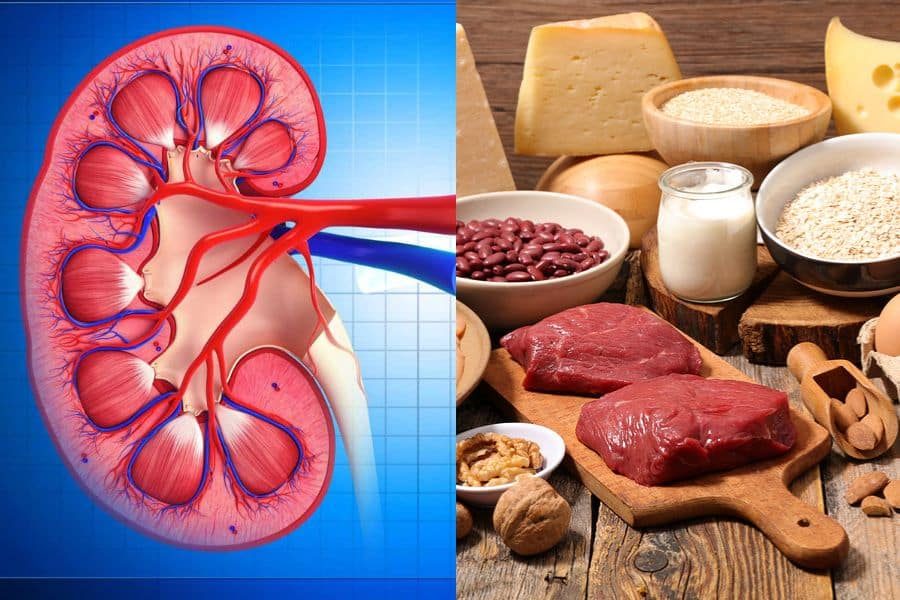
Protein Intake and Kidney Health
Understanding High-Protein Diets
High-protein diets are blowing up in the health scene, famous for perks like weight loss and muscle growth (Mayo Clinic). These diets boost up on protein-rich goodies while cutting back on carbs and fats. But before you dive in headfirst, it’s wise to know how they might shake things up with your kidney health.
For folks in tip-top shape, loading up on protein can be a solid short-term strategy to trim down. Foods packed with protein keep you feeling full and satisfied, so you’re not snacking on every sight. But, we’re still scratching our heads about the long-haul effects on kidneys. This means a bit more investigative work is needed in this area.
Now, not all protein is cut from the same cloth. There’s a world of difference between animal-based and plant-based proteins. Studies, like the Singapore Chinese Health Study, say animal proteins might be rougher on the kidneys, possibly raising the risk of End-Stage Kidney Disease (ESKD) because of stuff like acidity and inflammation.
| Protein Source | Risk Factors |
|---|---|
| Animal Protein | Linked to ESKD, higher acidity, inflammation |
| Plant Protein | Lower risk, kinder to kidneys |
Thinking about how much protein you’re putting on your plate becomes crucial, especially if you’ve got kidney issues already. Too much protein waste might end up causing queasiness or feeling wiped out.
If you’re keen on a healthy high-protein ride, steer clear of those processed meats. Instead, think lean meats, fish, eggs, dairy, nuts, seeds, legumes, and soy. Mixing it up with different kinds of protein protects those kidneys while letting you bask in all the protein glory.
Ready to get started? Find tips in our handy guide on how to start a high-protein diet. And when you need some food inspiration, pop over to pages on high-protein diet meal ideas and high-protein diet meal plans for weight loss.
Keep your meal game balanced and monitor that protein intake, so you can enjoy the perks and keep those kidneys happy!
High-Protein Diets and Kidney Function
Impact of High-Protein Diet on Kidneys
Hey there! Let’s chat about how munching on a high-protein diet might give your kidneys a bit of a workout. When you’re loading up on protein, your kidneys start filtering blood at a turbo pace, like trying to keep up with the fastest treadmill setting. This filtering speed is known as the glomerular filtration rate (GFR). While it’s like your kidneys are doing a spa day with extra work, in the long run, they might just run out of steam.
Here’s the scoop: If your kidneys are already a bit under the weather with chronic kidney disease, stuffing yourself with protein might not be the best idea. It’s kind of like adding extra logs to an already burning fire. On the flip side, if you’re in the peak of health, there’s not much solid evidence pointing to high protein as your kidney’s enemy number one (PubMed Central).
The folks at the Institute of Medicine say sticking with about 0.8 grams of protein per kilogram of your body weight each day is the sweet spot. This amount is a safe bet for 97.5% of us roaming this planet, with zero side-eye from the kidneys unless you’re dealing with kidney issues (PubMed Central).
| Protein Needs | For Whom | Source |
|---|---|---|
| 0.8 g/kg/day | Healthy Folks | PubMed Central |
| Less than 0.8 g/kg/day | Kidney Warriors (Chronic Kidney Disease) | PubMed Central |
Boosting your protein to over 35% of your daily munchies might help you feel full longer, shed some pounds, and tell those pesky heart disease worries to take a hike. Just make sure your kidneys aren’t silently plotting revenge for overworking them.
For ideas on how to keep that plate balanced and those kidneys happy, swing by our high-protein diet for weight loss or check out what foods pack a protein punch right here.
The more you get what a high-protein diet does to your kidneys, the better you’ll juggle all those benefits with keeping your kidneys singing. Hungry for more? Dig into high-protein diet meal ideas and meal plans that aimed at getting you tighter jeans. Your kidneys can thank you later!
Protein Recommendations for Kidney Health
Protein Intake for Individuals with Chronic Kidney Disease
Dealing with chronic kidney disease? It’s all about getting that right amount of protein. What you need changes based on where you are in the stages of the disease and if you’re rolling with dialysis.
Protein and Early-Stage CKD
If you’re in the early days of kidney troubles (Stages 1-4), turning down protein a notch can actually be a good thing. Cutting back, especially on meats and ramping up those beans and nuts might just slow down the whole kidney wear-and-tear. The National Kidney Foundation backs it up, saying a lower protein load can keep your blood cleaner, letting the kidneys chill a bit.
| Stage of CKD | Recommended Protein Intake (g/kg body weight/day) |
|---|---|
| Stages 1-4 (non-dialysis) | 0.6 – 0.8 |
Protein and Dialysis
When it’s time for dialysis (Stage 5), guess what? More protein is on the menu. Dialysis is like a clean sweep, zapping waste and taking some protein along for the ride. Your job? Eat enough to keep those blood protein levels happy and your health rocking.
| Stage of CKD | Recommended Protein Intake (g/kg body weight/day) |
|---|---|
| Stage 5 (on dialysis) | 1.2 – 1.4 |
Considerations for Your Protein Choices
So, how do you decide how much and what kind of protein to munch on? It’s smart to check with health pros, especially those who call themselves kidney dietitians. Why? Because your body’s size, how well-nourished you are, and your specific kidney issues can change what you need. Skimping on protein can mess with your health, so a little guidance goes a long way (National Kidney Foundation).
For more tasty info, check out our pieces on the best high-protein foods and high-protein diet benefits.
Stick with these pointers, and you’ll be on the right track to managing your protein intake, all while keeping your kidney health in check.
All Sorts of Protein Options
Let’s delve into a world where protein is your sidekick in keeping both your gains and your kidneys in tip-top shape. Today, we’ve got a showdown between the green veggies and the mooing cutlets—plant proteins versus animal proteins.
Green Goodness vs. Animal Proteins
Wrap your mind around this: when you’re picking your protein, it’s wise to think about how each option buddies up with your kidneys.
Green Goodness
Think beans, nuts, seeds, and grains. These guys aren’t just the food pyramid’s hippies; they’re champions in supporting kidney health. Evidence points out that the green choices may hit the brakes on chronic kidney disease (CKD) and play nice with diabetes and high blood pressure. They’re not as hard on your kidneys because they’re not loaded with all that dietary acid and phosphate that meat brings to the party (PubMed).
Folks at the National Kidney Foundation say that cranking up the plant-foods meter could be a lifesaver for CKD patients who aren’t on dialysis just yet.
| Plant-Based Protein Hits | Protein (grams per serving) |
|---|---|
| Lentils (1 cup) | 18 |
| Chickpeas (1 cup) | 15 |
| Tofu (1/2 cup) | 10 |
| Quinoa (1 cup) | 8 |
| Almonds (1 ounce) | 6 |
The Meaty Matter
Now, onto those steak and egg meals. Animal proteins—coming straight from meat, dairy, and eggs—are packed with those fancy amino acids your body loves. But heads-up, they sometimes don’t get along with your kidneys. Studies suggest a tango with too much red meat might nudge up your CKD risk. There’s a mix of acid, phosphate, and gut fuss that might play tricks on you (PubMed).
Though, it’s not all gloom with animal proteins; they also take care of your bones. A high-protein feast could help with calcium absorption and bone growth, adding to that bone health goodness, thanks to insulin-like growth factor 1 (IGF-1) (PubMed Central).
| Animal Protein Picks | Protein (grams per serving) |
|---|---|
| Chicken Breast (3 ounces) | 26 |
| Salmon (3 ounces) | 22 |
| Eggs (1 large) | 6 |
| Greek Yogurt (1 cup) | 23 |
| Milk (1 cup) | 8 |
Mixing up plant and meaty proteins is like getting the best of both worlds—keeping kidneys smiling and your protein levels jiving. For some finger-lickin’ meal ideas, wander over to our high-protein diet meal ideas.
Getting the 411 on the plant and animal protein scene can totally boss up your choices, keeping your health goals in check. Curious about high-protein diets and weight loss magic? Have a peek at our article on high-protein diet for weight loss.
Long-Term Effects of Eating Too Much Protein
Risk of Messing Up Those Kidneys
When you’re thinking about stuffing yourself with protein like you’re training for the Protein Olympics, you better watch out for what it might do to your kidneys! Eating a ton of protein could be a ticket to chronic kidney disease (CKD), a prize nobody wants.
Here’s the lowdown: a diet high in protein can make your kidneys work way too hard, like putting them on a treadmill set to sprint when they were just planning for a nice walk. We’re talking about intra-whatever hypertension—fancy talk for the kidneys getting tired. After a while, this whole charade can lead to them wearing out, with a chance they’ll end up busted with CKD. Even if your kidneys are in good shape now, they might not stay that way if you keep on with this high-protein parade.
How Protein Pig-Outs Affect Your Kidney Workload
Even if your kidneys are just chillin’ now, a diet that’s heavy on the protein side can start giving them a hard time. This is a bit grim since folks usually go for high-protein eats to slim down or keep their type 2 diabetes in check.
For those already riding the kidney disease train but not on dialysis, too much protein means your blood might end up a soup full of waste, leading to all sorts of nasty stuff like feeling icky, losing your appetite, or even tasting funny. It’s super important for them to keep an eye on how much protein they’re downing.
Getting Cozy with Plant Proteins
Swap some steaks for the green stuff! Going plant-based isn’t just for the tree-huggers amongst us. Researchers say that cutting back on meat and stacking your plate with plants might slow down how fast kidney problems get worse for folks with CKD who aren’t on dialysis. Why? Because plants don’t make your kidneys work as hard to clean up the after-party in your blood.
Glomerular Filtration Rate (GFR)–What’s That Now?
On a high-protein diet, your GFR—which is a fancy way of measuring how fast kidneys clean out the junk—can go up, known as ‘hyperfiltration.’ This can be risky, turning into CKD faster or making it worse if you already got it. If you’re someone with fewer nephrons (the little guys doing the filtering) or have diabetes or obesity, this might hit you harder than most.
| At-Risk Group | What Eating Too Much Protein Does |
|---|---|
| Regular healthy kidneys | Might start acting up with CKD |
| Already iffy kidneys | Speed up the CKD ride downhill |
| Diabetics | Gets you closer to CKD |
| Those with extra weight | More likely to get kidney boo-boos |
If you’re curious about how to keep your protein game strong without sacrificing kidney health, check out our guide on balancing that protein and check out foods that are high in protein that might just be kinder to your kidneys.
Being wise to the risks means making smarter choices about what you eat, whether you’re trying to drop some pounds with a high-protein weight loss diet or trying to put on muscle with a protein-packed diet plan.
Managing Protein Intake
Eating more protein can do wonders for your body, but you gotta be smart about it to keep those kidneys happy. Here’s how you can make sure you’re getting the right protein mix without any pitfalls.
Balancing Protein Consumption
First things first, it’s about how much protein you’re eating, what kind it is, and how you’re spreading it across your meals. Most folks can aim for 0.8 grams per kilo of body weight daily, according to some smarty-pants at the Institute of Medicine. Though everyone is different, so you’ll wanna factor in things like how old you are, how often you break a sweat, and your overall health scene.
| Body Weight (lbs) | Protein Intake (g/day) |
|---|---|
| 100 | 37 |
| 120 | 45 |
| 150 | 56 |
| 180 | 67 |
| 200 | 75 |
Consider Your Activity Level
If you’re the type who’s always on the move—like athletes or gym-goers—you’ll probably need more protein to help with those muscle repairs and gains. In that case, you might wanna check out a high-protein diet plan for muscle gain tailored just for you.
Protein Sources
To keep your kidneys from throwing in the towel, pick your proteins wisely. Mix it up with both plant and animal sources to hit those nutrient goals. Need some inspo? Look into the best high-protein foods for ideas.
- Plant-Based Proteins: Beans, lentils, quinoa, nuts, seeds.
- Animal Proteins: Lean meats, poultry, fish, eggs, dairy products.
More into going green? Our list of vegetarian high-protein diet foods has got you covered.
Frequency and Timing
Sprinkle your protein evenly throughout the day. This tactic not only powers up muscle building but also gives your kidneys a break. Pop some protein in every meal and snack.
| Meal | Protein Source |
|---|---|
| Breakfast | Greek yogurt, eggs |
| Snack | Nuts, protein smoothie |
| Lunch | Grilled chicken, tofu salad |
| Snack | Cottage cheese, edamame |
| Dinner | Fish, quinoa |
Track and Adjust
Keep an eye on your protein game by tracking your intake. Tweak things as needed and don’t hesitate to get pointers from a nutritionist to stay on track—all without stressing out your kidneys.
For those battling chronic kidney disease (CKD), managing your protein is a different ball game. Once dialysis enters the picture, you might need more protein to keep those blood protein levels up (National Kidney Foundation). A doc can help you get that diet just right.
Playing the protein game right means you can shed some pounds with a high-protein diet for weight loss and still keep your kidneys smiling. Don’t stop at that! Check out high-protein diet benefits and high-protein diet meal ideas for more cool stuff.